
Choosing between Shell, Castrol, and Motul for your 5W-30 fully synthetic oil is not about finding a single universal winner. Instead, the right choice depends entirely on matching the specific oil’s API/ACEA ratings and original equipment manufacturer (OEM) approvals to your vehicle’s requirements and your typical driving conditions in the Philippines. While marketing campaigns often highlight proprietary additives or superior protection, your engine’s longevity relies on verifiable technical specifications printed on the back of the bottle.
By shifting your focus from brand loyalty to these technical standards, you can ensure your engine receives the precise formulation it needs. Modern engines are designed with tight tolerances and complex emissions systems that require specific chemical compositions. Selecting an oil based on brand name alone, without verifying these standards, can lead to premature wear, reduced fuel efficiency, or even voided warranties.
Understanding 5W-30 Fully Synthetic Oil in Tropical Climates
The “5W-30” designation on an engine oil bottle represents its multigrade viscosity rating, which is critical for protecting internal engine components. The “5W” portion indicates the oil’s flow characteristics in cold temperatures, where the “W” stands for winter. Although the Philippines does not experience freezing winters, a lower cold-viscosity rating like 5W still ensures rapid oil circulation during initial startup, which is when a significant portion of engine wear occurs.
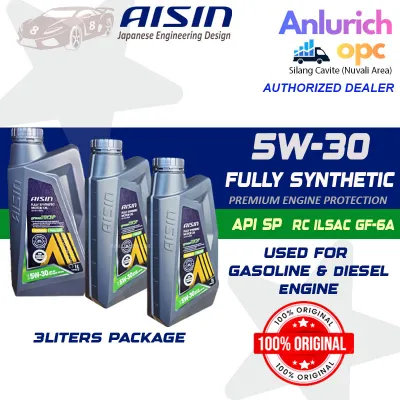
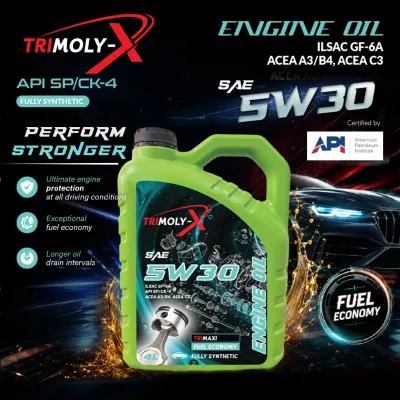
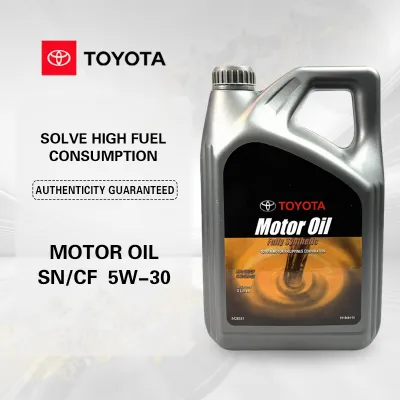
Products mentioned in this guide
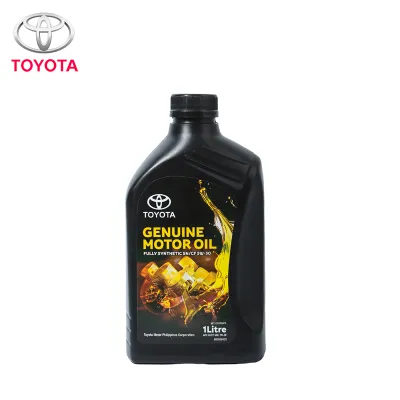
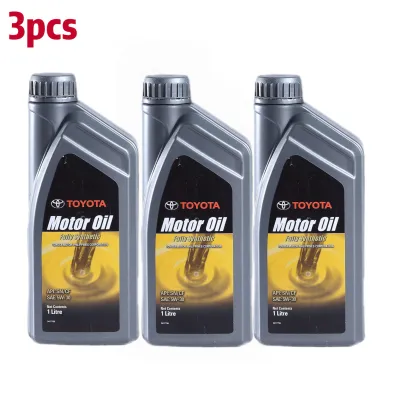
![Ford Fully Synthetic Engine Oil 5W-30 [4 quarts + Oil Filter] for Gasoline Ecosport | Fiesta | Focus](https://img.lazcdn.com/g/p/92a494ad1990a001fc88f57d47fe1fa2.png_400x400q80.png_.webp)
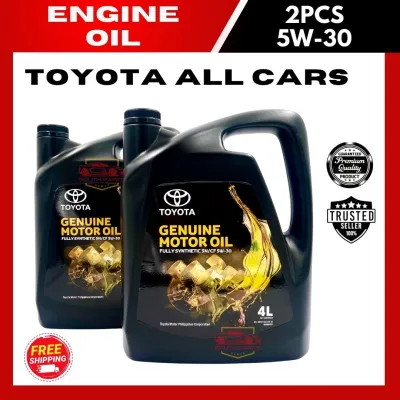
Prices are valid at publication and may change. Please refer to the product page for the latest price.
The “30” portion represents the oil’s kinematic viscosity at operating temperature, specifically measured at 100 degrees Celsius. This operating viscosity must be thick enough to maintain a protective film between moving parts, yet thin enough to flow freely and minimize internal drag. For many modern passenger vehicles, a 30-weight oil provides the optimal balance of protection and fuel efficiency under standard operating conditions.
Fully synthetic base stocks offer distinct advantages over conventional mineral oils, particularly in demanding environments. Synthetic oils are chemically engineered to have uniform molecular structures, which provides superior thermal stability and resistance to oxidation. This means the oil is less likely to break down, thin out excessively, or form harmful sludge when subjected to high temperatures.
In the Philippines, tropical ambient temperatures and severe stop-and-go traffic in urban areas place immense thermal stress on engines. Prolonged idling in heavy traffic prevents natural airflow through the radiator, causing engine bay temperatures to rise significantly. Under these harsh conditions, a fully synthetic 5W-30 oil resists thermal degradation far better than mineral alternatives, maintaining its protective properties over the entire service interval.
The Real Deciding Factor: Matching Specifications and OEM Approvals
To select the correct 5W-30 oil, you must look beyond the brand logo and consult your vehicle’s owner’s manual. The manual specifies the exact industry standards your engine oil must meet, such as those set by the American Petroleum Institute (API) or the European Automobile Manufacturers’ Association (ACEA). For gasoline engines, you will typically see API standards like SP or SN, while diesel engines or European vehicles often require specific ACEA sequences like A3/B4, C2, or C3.

These standards are not interchangeable, and using the wrong one can have serious consequences. For instance, ACEA C-series oils are formulated with lower levels of sulfated ash, phosphorus, and sulfur (SAPS) to protect modern exhaust aftertreatment devices, such as diesel particulate filters (DPFs) or gasoline particulate filters (GPFs). Using a high-SAPS oil in a vehicle requiring a low-SAPS formulation can clog these expensive emissions components over time.
Beyond general industry standards, many vehicle manufacturers establish their own proprietary OEM approvals. Specifications such as GM dexos1 Gen 3, VW 504 00/507 00, or Ford WSS-M2C946-A require oils to pass specific testing protocols designed for those manufacturers’ engine designs. An oil that claims to be “suitable for use” in a vehicle is not the same as an oil that has been formally tested and approved by the OEM.
Before purchasing any 5W-30 fully synthetic oil, always verify that the exact specification code required by your vehicle manufacturer is printed on the product label. If your vehicle is still under warranty, using an oil that lacks the official OEM approval code can give the manufacturer grounds to deny warranty claims related to engine damage. Never assume compatibility based solely on the 5W-30 viscosity rating.
Navigating the Shell, Castrol, and Motul 5W-30 Product Lines
When evaluating Shell’s flagship 5W-30 fully synthetic offerings, such as the Helix Ultra series, you should look closely at the specific formulation details on the packaging. Shell often highlights its proprietary base oil technology derived from natural gas, which aims to deliver high purity levels. To verify if a specific Helix Ultra bottle fits your car, turn the bottle over and locate the technical specifications section, checking for approvals like API SP, ACEA A3/B4, or specific manufacturer approvals.
Castrol’s primary 5W-30 fully synthetic line is the EDGE series, which is marketed around fluid strength under high pressure. When inspecting a bottle of Castrol EDGE 5W-30, you will find various sub-formulations tailored for different vehicle types, such as European imports or modern turbocharged gasoline engines. It is vital to check the exact API and ACEA ratings on the back label, as different bottles within the same EDGE family carry different OEM certifications.
Motul offers a highly segmented range of 5W-30 fully synthetic oils, primarily through its 8100 series and its Specific series. The 8100 series consists of multi-car formulations designed to cover a broad range of OEM standards, while the Specific series is formulated to meet the exact requirements of a single manufacturer or engine family. Motul’s naming conventions can be highly technical, making it essential to read the product data sheets or physical labels to confirm the oil matches your vehicle’s requirements.
Because formulations, additive packages, and regional availability can change, you must physically or digitally verify the exact label of the specific bottle you intend to purchase. An oil formulation sold under a certain name in one region may have different specifications or approvals than the version available locally. Always rely on the printed specifications on the actual container rather than general online descriptions or outdated product reviews.
Assessing Value, Pricing, and Drain Intervals
When comparing the cost of Shell, Castrol, and Motul 5W-30 fully synthetic oils, evaluate the price per liter (in ₱) rather than just the total container price. Prices can vary significantly depending on whether you purchase from authorized physical dealerships, official online brand stores, or independent auto supply shops. While premium specialty formulations may carry a higher initial cost, they should be evaluated against their compliance with your vehicle’s specific technical requirements.
Regardless of the marketing claims made by oil brands regarding extended drain intervals, you should strictly follow the service schedule recommended by your vehicle manufacturer. In the Philippines, typical driving conditions—such as short trips, frequent idling, dusty roads, and high humidity—usually classify as “severe service” under most owner’s manuals. Following the severe service schedule, which typically requires more frequent oil changes, is crucial for protecting your engine.
When performing an oil change, always ensure the engine is cool to prevent burns, use proper safety stands if lifting the vehicle, and follow your vehicle’s original instructions. If you are unsure about the procedure, seek qualified professional installation.
The risk of counterfeit engine oils is a serious concern that can lead to catastrophic engine failure. Counterfeiters often package cheap, low-quality mineral oil in discarded premium brand bottles. To protect your engine, purchase your oil exclusively from authorized retail channels, official flagship stores on reputable ecommerce platforms, or trusted service centers that can verify their supply chain.
When inspecting a bottle for authenticity, look for intact security seals, clean cap threads, and clear, high-quality label printing. Some brands include holographic stickers, unique QR codes, or batch numbers that can be verified directly with the local distributor. If the price of a premium fully synthetic oil seems unusually low compared to authorized retail prices, treat it as a warning sign of a potential counterfeit.
Final Decision Framework: Which 5W-30 Oil Fits Your Needs?
To make your final decision, use a structured approach that prioritizes technical compatibility and local availability over brand prestige.
Choose Shell if:
- The specific Shell Helix Ultra 5W-30 variant carries the exact OEM approval or API/ACEA specification required by your vehicle's owner's manual.
- You prefer a widely distributed brand that is easily accessible at local fuel stations and authorized auto supply shops across the country.
- The price per liter fits your maintenance budget while still meeting all warranty requirements.
Choose Castrol if:
- The Castrol EDGE 5W-30 label explicitly lists the required industry standards and manufacturer approvals for your engine.
- You frequently use authorized Castrol service centers or partner workshops for your routine maintenance and oil changes.
- You require a formulation that matches specific Japanese, American, or European manufacturer standards supported by Castrol's local product lineup.
Choose Motul if:
- Your vehicle is a European import or a specialized model that requires highly specific OEM approvals that are difficult to find in standard oil lines.
- You can verify that the Motul 8100 or Specific 5W-30 bottle carries the exact, certified approval code required by your manufacturer.
- You are willing to source your oil from specialized automotive shops or authorized distributors to ensure you get the correct formulation.
Verify first if:
- Your vehicle is still under its manufacturer warranty, in which case you must use an oil with the official OEM approval code to avoid voiding your coverage.
- You cannot find the exact required specification code on the local stock of any of these three brands, which means you must consult a qualified professional or your vehicle dealership for an approved alternative.
Frequently Asked Questions (FAQ)
Can I mix Shell, Castrol, and Motul 5W-30 oils during a top-up?
While mixing fully synthetic 5W-30 oils of different brands is generally safe in emergency situations where your oil level is critically low, it is not recommended as a standard practice. Each brand uses a unique proprietary additive package designed to work cohesively. Mixing different brands can dilute these additive packages, potentially reducing the overall effectiveness of the oil’s wear protection, detergent properties, and thermal stability. For routine top-ups, always try to use the exact same brand and product formulation currently in your engine.
How do I know if the 5W-30 oil I bought is counterfeit?
To verify if your 5W-30 fully synthetic oil is genuine, perform a thorough physical inspection of the bottle before opening it. Check that the cap’s tamper-evident ring is unbroken and firmly attached to the bottle neck. Inspect the labels for high-quality, crisp printing, straight alignment, and the presence of official security features such as holographic seals, scratch-off verification codes, or QR codes. Additionally, look for a clearly printed batch code and production date on the bottle, which you can verify by contacting the brand’s official local distributor.

Community discussion
Share your experience or ask a question. Comments are reviewed before publication.