
Choosing the right shift knob material is one of the most immediate ways to improve your daily driving comfort in the Philippines. Because the shift knob is a primary point of contact between you and your vehicle, its temperature, texture, and grip directly shape your daily commute. In a tropical climate, selecting the wrong material can turn a routine drive into an uncomfortable or even painful experience.
For daily driving in hot and humid conditions, materials with low thermal conductivity—such as genuine leather, high-quality wood, and UV-stabilized resin—consistently feel the best. These materials do not absorb and retain ambient cabin heat as aggressively as bare metals, and they offer reliable tactile friction even when your hands are damp from humidity. Conversely, bare metal knobs can become exceptionally hot when parked in the sun, making them difficult to hold without proper precautions.
Why Shift Knob Material Matters in Tropical Climates
When a vehicle is parked under the intense sun in the Philippines, the cabin acts like a greenhouse. Solar radiation passes through the windshield and windows, heating up the dashboard, seats, and steering wheel. Because the air inside cannot easily escape, cabin temperatures can quickly rise far above the ambient outdoor temperature, sometimes exceeding 60°C on a typical afternoon. Any object sitting in the center console absorbs this radiant heat, transforming your shift knob into a thermal storage unit.
Products mentioned in this guide
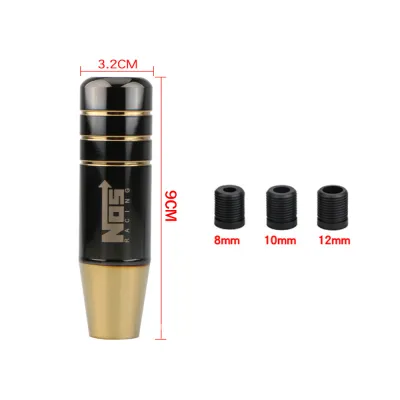
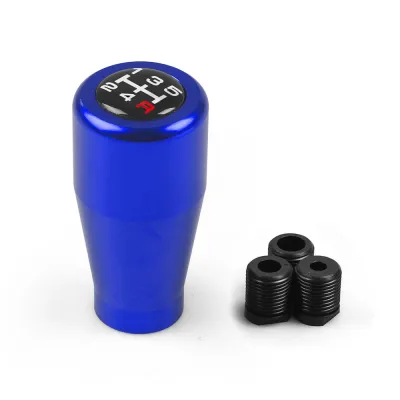
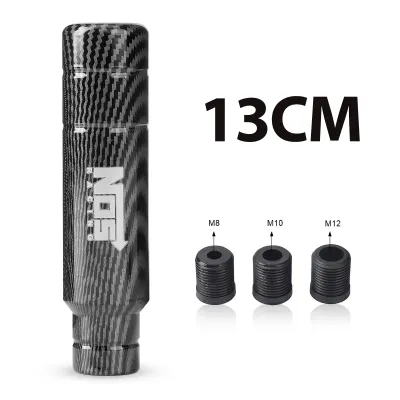
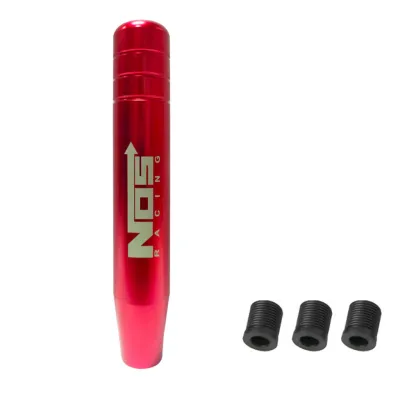
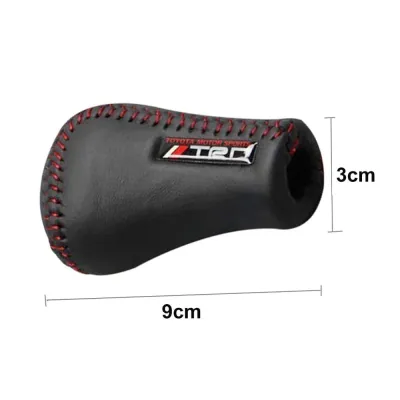
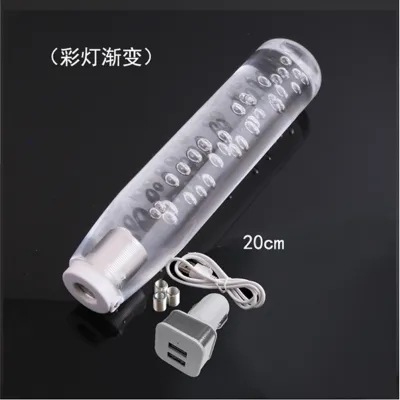
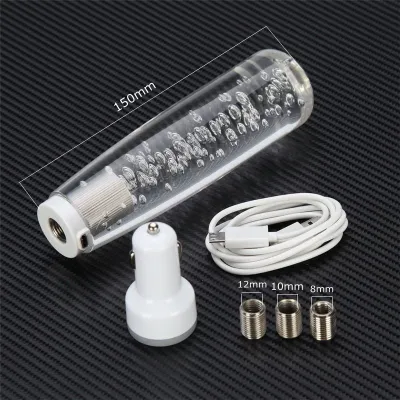
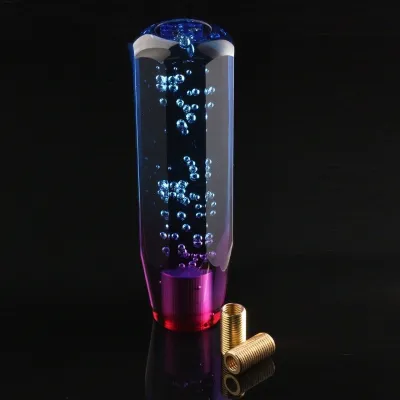
Prices are valid at publication and may change. Please refer to the product page for the latest price.
High ambient humidity further complicates the driving experience. Relative humidity levels in tropical regions often remain elevated year-round, which naturally leads to sweaty palms during extended daily commutes. When your hands are damp, your ability to maintain a secure grip on a smooth or non-porous surface is compromised. A slippery shifter can lead to missed gear engagements or accidental slips, which can disrupt your focus in dense, stop-and-go traffic.
Therefore, the core decision criteria for choosing a shift knob in a tropical climate must balance thermal insulation with tactile friction. You need a material that resists extreme temperature spikes so you can comfortably grip it the moment you start your vehicle. At the same time, the surface texture must provide enough physical feedback and slip resistance to keep your hand securely in place, regardless of the humidity level inside the cabin.
Comparing Common Shift Knob Materials for Heat and Grip
Different materials handle thermal energy and moisture in highly distinct ways. Understanding these physical properties allows you to select an option that aligns with your daily parking situation, driving habits, and comfort preferences.

Leather, Alcantara, and Synthetic Wraps
Genuine leather, Alcantara, and high-grade textured synthetics are widely favored for daily driving because they feel neutral to the touch. These materials possess low thermal conductivity, meaning they do not transfer heat to your skin rapidly. Even if the cabin has been baking in an open parking lot, a leather-wrapped knob will feel warm rather than scalding, and it will cool down to a comfortable temperature within minutes once the vehicle’s air conditioning is running.
Additionally, textured synthetics and Alcantara offer excellent sweat absorption and tactile feedback. The natural grain of leather and the soft pile of Alcantara provide a high-friction surface that prevents your hand from slipping during quick shifts. This makes them highly reliable during rainy-season commutes when humidity is at its peak.
However, durability under UV exposure is a key trade-off. While genuine leather is highly resilient when conditioned, some budget-friendly synthetic leathers and low-grade Alcantara imitations can peel, crack, or become sticky after prolonged exposure to intense sunlight. Always check the manufacturer’s care labels and material specifications to ensure the wrap is rated for automotive interior use.
Bare Metals Like Aluminum and Steel
Machined aluminum, stainless steel, and brass shift knobs are highly popular for their premium, mechanical aesthetics and solid weight. They offer exceptional durability and will never peel or wear down like organic materials. For drivers who prioritize a weighted, precise shift feel and a modern interior look, bare metal is often the default choice.
Despite these benefits, bare metals possess extremely high thermal conductivity. If your vehicle is parked in an open lot without covered parking or heavy window tinting, a metal knob can become hot enough to cause physical discomfort or mild burns upon contact. It retains this heat for a long time, often requiring you to drive with a glove or place a cloth over the shifter until the cabin cools down.
Consequently, solid metal knobs are best suited for drivers who have consistent access to shaded or basement parking, utilize highly effective windshield sunshades, or simply prioritize the weighted performance and look of metal over immediate thermal comfort.
Carbon Fiber, Resin, and Acrylic
Modern composite and plastic-based materials offer a compelling middle ground. Polished carbon fiber, epoxy resins, and acrylics have moderate heat retention properties. They do not get nearly as hot as bare metal, making them generally safe from extreme heat spikes even after hours of sun exposure.
Texture plays a critical role in how these materials perform in hand. Dry, textured carbon fiber provides a distinct, slip-resistant grip that handles moisture well. On the other hand, highly polished, glossy resin or acrylic knobs can become quite slippery if your hands are sweaty. If you prefer the smooth, glass-like look of a polished resin knob, consider shapes with ergonomic finger grooves to compensate for the lack of surface texture.
When shopping for resin or acrylic options, it is important to verify that the product uses UV-stabilized materials. Non-stabilized resins can turn yellow, lose their clarity, or become brittle and prone to cracking after repeated exposure to the harsh tropical sun.
Wood, Silicone, and Rubber
Solid wood is a classic material choice that naturally excels in hot climates. Because wood is an excellent natural insulator, it stays remarkably cool to the touch regardless of how hot the cabin becomes. A finished wooden knob provides a smooth yet warm tactile experience, blending traditional craftsmanship with practical thermal resistance.
Silicone and rubber covers or knobs represent the budget-friendly, high-utility end of the spectrum. These materials offer outstanding non-slip properties, ensuring a solid grip even in the most humid conditions. They are highly effective at absorbing vibrations from the transmission, which can reduce hand fatigue during long drives.
However, material quality is paramount. Low-quality silicone or cheap rubber compounds can degrade rapidly under intense cabin heat. Over time, they may begin to melt, release a chemical odor, or develop a sticky, gummy residue that is difficult to clean. If you choose silicone or rubber, invest in high-grade, automotive-temperature-rated products.
What to Verify Before Upgrading Your Shift Knob
Replacing a shift knob involves more than simply unscrewing the old one and twisting on a new counterpart. Because the shifter is a critical control interface, you must verify several physical and mechanical specifications to ensure safe and reliable operation.
- Thread Pitch and Adapters: Before purchasing, verify the exact thread pitch of your vehicle's shifter shaft. Common manual transmission thread sizes include M10x1.5, M12x1.25, and M10x1.25, though these vary widely by manufacturer and model year. Never guess or infer compatibility based on a generic product category. If the aftermarket knob does not match your shaft's thread, you must use a high-quality, manufacturer-approved adapter. An improperly fitted or loose knob can suddenly detach or spin during gear changes, creating a severe safety hazard.
- Reverse Lockout Clearance: Many modern manual transmissions utilize a pull-up collar or push-down mechanism to engage reverse gear. If your vehicle has a reverse lockout, you must verify that the base of the new shift knob has sufficient clearance to allow the lockout collar to slide upward fully. Standard aftermarket knobs without a recessed base will block this movement, preventing you from shifting into reverse.
- Weight Considerations: Shift knobs generally range from lightweight plastics (under 100 grams) to heavily weighted metals (400 grams or more). A heavier knob uses kinetic momentum to smooth out the resistance of the gear synchronizers, making gear transitions feel effortless. However, a very heavy knob can increase wrist fatigue during constant stop-and-go city driving. Additionally, you should verify with your vehicle's documentation or a qualified professional that a heavy knob will not put excessive, premature wear on your specific transmission's shift forks and linkage.
- Ergonomics and Shape: Shift knobs come in spheres, teardrops, cylinders, and pistons. Choose a shape that matches your natural shifting style. If you rest your hand on top of the shifter (top-grip), a spherical or teardrop shape is highly comfortable. If you grip the shifter from the side (side-grip), a cylindrical or piston-style knob offers better leverage. Avoid extreme novelty shapes with sharp edges, as they can dig into your palm during frequent gear changes.
- Shift Boot Attachment: Check how your original shift boot connects to the factory knob. Some boots clip directly to the collar of the knob, while others sit loosely below it. You may need a shift boot retainer or collar adapter to keep the boot neatly aligned with your new aftermarket knob, preventing exposed threads or gaps where dust and debris can enter the shifter linkage.
Caring for Your Shift Knob in Hot and Humid Conditions
To preserve the appearance, grip, and structural integrity of your shift knob in a tropical climate, regular maintenance is essential. Sweat, body oils, hand sanitizers, and sunscreen can accumulate on the surface, accelerating the breakdown of materials.
First, establish a routine of wiping down the shift knob at least once a week using a clean microfiber cloth. For leather knobs, use a dedicated automotive leather cleaner and conditioner to restore natural oils and prevent drying or cracking. For resin, wood, or metal, a damp cloth with a mild, diluted soap solution is usually sufficient. Always check the care instructions provided by the manufacturer before applying any cleaning agent.
Second, apply appropriate protective coatings. For resin, plastic, and finished wood knobs, a light application of an automotive-interior UV protectant can help shield the material from sun damage, fading, and yellowing. Avoid applying these protectants to the actual gripping surfaces of leather or Alcantara, as they can make the surface slick and compromise your grip.
Third, utilize passive cabin protection. The most effective way to extend the lifespan of your shift knob—and your entire interior—is to minimize direct sun exposure. Use a high-quality reflective windshield sunshade whenever you park outdoors. If possible, park in shaded areas or install premium ceramic window tints that block infrared and ultraviolet rays.
Finally, observe a strict stop condition: never use harsh household chemicals, bleach, alcohol-based glass cleaners, or abrasive scrubbing brushes on your shift knob. These harsh substances can strip away protective clear coats, dissolve the adhesives holding multi-piece knobs together, or dry out genuine leather, causing permanent damage.
Frequently Asked Questions (FAQ)
Can I wrap a metal shift knob to stop it from getting hot?
Yes, wrapping a metal shift knob is a highly practical and cost-effective way to insulate your hand from extreme heat. Common wrapping materials include paracord, genuine leather strips, or automotive-grade heat-shrink tubing. If you choose to wrap your knob, ensure the material is wrapped tightly and secured at the ends so it cannot slip, twist, or unravel while you are driving, as any movement during a gear change can compromise safety.
Does a heavier shift knob improve shifting in daily traffic?
A heavier shift knob can make gear changes feel smoother and more positive by using its own weight to push the shifter linkage through the gates. This can reduce the physical effort required to slot the transmission into gear. However, in heavy, stop-and-go traffic where you are constantly shifting between first, second, and neutral, a very heavy knob can sometimes lead to wrist fatigue. If your daily commute involves prolonged traffic jams, a moderately weighted knob (between 150 and 300 grams) often provides the best balance of smooth shifting and long-term comfort.

Community discussion
Share your experience or ask a question. Comments are reviewed before publication.