
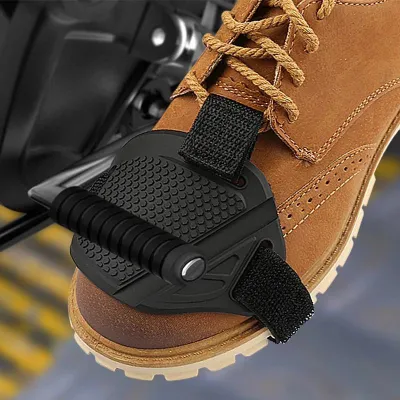
A gear shift shoe cover is a simple, budget-friendly accessory designed to save your favorite sneakers or office shoes from the dark, greasy smudges left by your motorcycle’s shift lever. However, it is crucial to understand that this cover is primarily a cosmetic shield rather than a robust piece of safety gear. If you are navigating busy roads daily, a slip-on cover cannot protect your feet from sudden impacts, road rash, or crushing forces. For comprehensive physical protection, dedicated riding boots are a highly recommended investment. Deciding between the two depends entirely on your daily route, riding speed, and the level of risk you encounter on the road.
Assess Your Riding Habits and Risk Level
Evaluating your typical riding conditions is the first step in determining your baseline safety needs. If your daily routine consists of quick, low-speed trips to the local neighborhood market or short commutes through quiet side streets, your exposure to high-speed hazards is relatively low. In these scenarios, the primary annoyance of riding is often just the physical wear and tear on your everyday shoes, making a simple protective accessory highly appealing.
The equation changes dramatically if your daily commute involves navigating major thoroughfares, busy circumferential roads, or provincial highways. High-speed environments, unpredictable lane changes by larger vehicles, and sudden stops require rapid reactions and expose your lower extremities to severe impact risks. In stop-and-go city traffic, you are constantly planting your feet on uneven asphalt, where oil spills and loose gravel can easily cause a slip.
Products mentioned in this guide
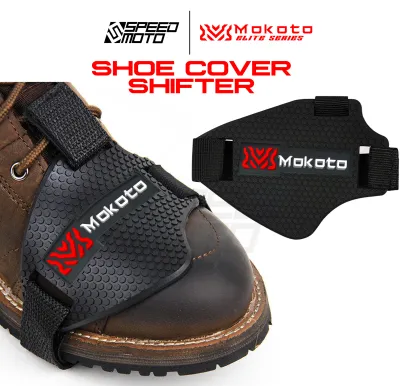
![[🇵🇭 Stock&COD] Shoe Cover Shifter Motorcycle Gear Shift Pad Adjustable Shoe Boot Protector](https://img.lazcdn.com/g/p/b6876ec620a7f6d0b2b29676e602e024.jpg_400x400q80.jpg_.webp)
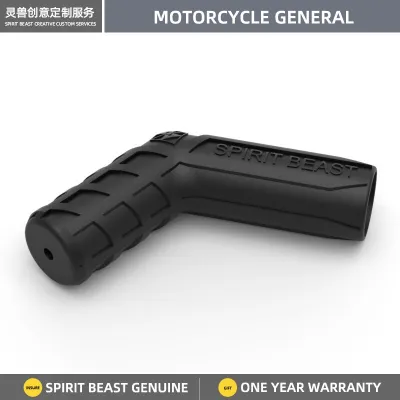
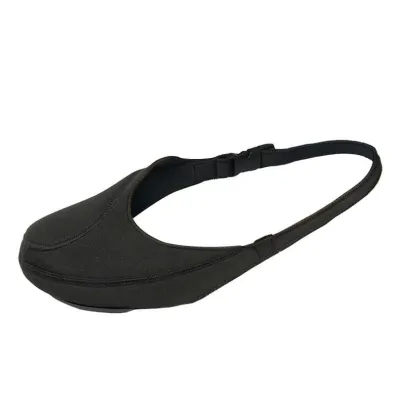
Prices are valid at publication and may change. Please refer to the product page for the latest price.
Consider your current footwear habits and inspect the shoes you wear most often while riding. If you notice deep creases, worn-down soles, or dark grease stains on the upper left toe box, your motorcycle is actively degrading your everyday wear. While a temporary cover solves the aesthetic issue, it does nothing to address the physical strain and lack of support your feet experience during long hours on the pegs.
What a Shoe Cover for Gear Shifting Actually Protects
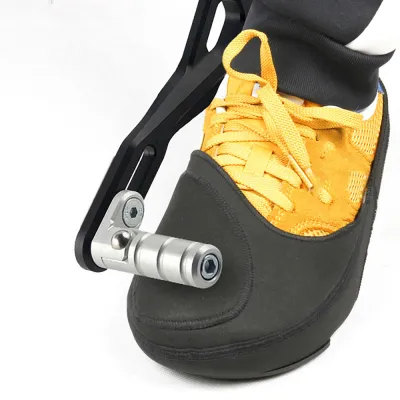
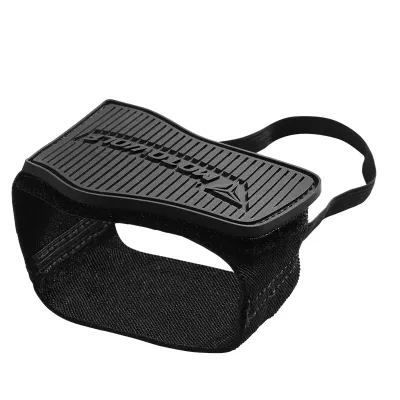
A shoe cover for gear shifting—typically made of durable rubber, neoprene, or reinforced leather—slips over the toe box of your left shoe. Its primary job is to act as a sacrificial barrier, absorbing the friction and pressure of the gear peg to prevent unsightly scuffs, tears, and grease marks on your footwear. These covers are highly portable, affordable, and easy to slip into a pocket or under-seat compartment once you reach your destination.

For office workers and students, the main benefit is convenience. You can wear your preferred formal shoes or casual sneakers immediately upon stepping off the bike, eliminating the need to carry a second pair of shoes or change clothes at your destination. This makes the cover an attractive option for low-speed, fair-weather urban riding where convenience is a priority.
However, it is vital to recognize the structural limitations of these accessories. They offer virtually no safety protection for your feet or ankles. In the event of a slide, a collision, or a simple tip-over where the motorcycle lands on your leg, a soft rubber cover provides very little resistance against crushing forces, fractures, or severe road rash.
Furthermore, fitment can be a recurring issue depending on the design of your everyday shoes. Many covers rely on elastic bands or hook-and-loop straps that wrap around the heel of the shoe. On bulky running shoes or narrow, slick-soled formal shoes, these straps can easily slip off mid-ride, creating a dangerous distraction as you try to adjust them while managing active traffic.
Signs You Need Dedicated Riding Boots Instead
As your riding style and distance evolve, you may find that a simple toe protector no longer meets your needs. One of the clearest signs that you need to upgrade to dedicated riding boots is when you start traveling at higher speeds or carrying heavier loads. At highway speeds, the kinetic energy involved in a mishap increases exponentially, making ankle support and crush protection critical necessities rather than optional upgrades.
If you regularly experience foot fatigue, arch pain, or ankle strain after a ride, your everyday shoes are likely too flexible for motorcycle use. Standard sneakers lack the rigid shank in the sole needed to distribute your weight evenly across the footpegs. This forces your foot muscles to work overtime to maintain balance, leading to discomfort during longer journeys.
Slipping off the footpegs is another critical warning sign that should not be ignored. Wet weather, muddy roads, or oily asphalt can make metal pegs incredibly slick. Everyday shoes rarely feature soles designed to grip motorcycle pegs under wet conditions, whereas riding boots utilize specialized rubber compounds and tread patterns to keep your feet securely planted.
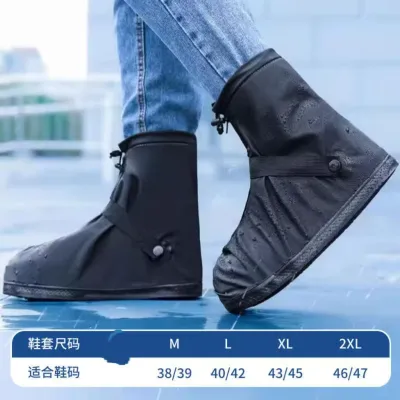
Lastly, riding through heavy tropical downpours or navigating flooded streets will quickly expose the limits of standard shoes. A simple shift cover cannot prevent water from soaking through your footwear. Dedicated riding boots often feature integrated waterproof membranes and high-top designs that keep your feet dry while allowing them to breathe in hot, humid conditions.
How to Choose the Right Setup for Your Commute
To make the right decision, map your riding habits to one of two distinct pathways. Path A is best suited for riders who stick to low-speed, short-distance urban commutes in fair weather. If you rarely exceed city speed limits and your primary goal is to keep your work shoes clean, a quality gear shift cover paired with sturdy, closed-toe everyday shoes can be a practical, budget-friendly compromise.
Path B is the recommended route for anyone facing mixed traffic, higher speeds, longer distances, or unpredictable weather. If your commute involves highway riding or daily exposure to heavy traffic, investing in entry-level riding shoes or full-height boots is a necessary step to protect your physical well-being.
When evaluating the financial aspect, compare the long-term costs of both options. A simple shoe cover might cost anywhere from ₱150 to ₱500, making it an incredibly cheap short-term fix. However, if you constantly have to replace ruined everyday sneakers or formal leather shoes that cost thousands of pesos, investing ₱3,000 to ₱6,000 in a dedicated pair of riding shoes quickly becomes the more economical choice over time.
Before making a purchase, always verify the safety features on the product labels. Look for recognized safety standard markings, such as CE certification codes, which indicate the footwear has undergone standardized impact and abrasion testing. Check for built-in ankle cups, reinforced toe boxes, crush-resistant soles, and integrated shift pads to ensure you are getting genuine protection rather than just a rugged aesthetic.
Frequently Asked Questions (FAQ)
Can I use a shoe cover for gear shifting with any type of shoe?
Most gear shift covers are designed with adjustable elastic straps to accommodate a variety of footwear, but they do have limits. Bulky boots, thick-soled platform shoes, or very wide sneakers may stretch the straps to their limit, causing them to snap or slip off. Conversely, narrow formal shoes or high heels may not provide enough surface area to hold the cover securely in place, leading to shifting during rides. Always check the manufacturer’s sizing guidelines and test the fit while stationary before heading out into traffic.
Do riding boots with built-in shift pads eliminate the need for a shoe cover?
Yes, dedicated riding boots with integrated shift pads are specifically designed to handle the wear and tear of gear shifting, eliminating the need for an external cover. These built-in pads are made of highly durable materials like reinforced leather, TPU, or vulcanized rubber, stitched directly onto the toe box. Adding an external cover over a riding boot is redundant and can actually reduce your tactile feel of the shift lever, making gear changes less precise and potentially unsafe.
Are there legal requirements for motorcycle footwear in the Philippines?
While specific local ordinances can vary, general land transportation guidelines in the Philippines strictly prohibit riding a motorcycle while wearing slippers, sandals, or going barefoot. Riders are required to wear proper, fully closed footwear to ensure basic control and safety on the road. While dedicated riding boots are not universally mandated by law for everyday commuters, wearing them ensures full compliance with safety regulations and provides a significantly higher level of personal protection against road hazards.

Community discussion
Share your experience or ask a question. Comments are reviewed before publication.