
A failing ignition coil in your Chevrolet Sonic typically triggers noticeable drivability issues, such as engine misfires, rough idling, and an illuminated check engine light. Before purchasing a replacement part, it is crucial to confirm that the coil is the actual root cause rather than a worn spark plug or another electrical fault. By reading diagnostic trouble codes and performing a few safe visual inspections, you can accurately identify the problem and decide on the right repair path.
Identifying the exact source of an engine issue saves both time and money. In the tropical climate of the Philippines, where high humidity and intense stop-and-go traffic put extra strain on your vehicle’s electrical components, a sudden drop in engine performance can quickly escalate. Understanding how your Sonic’s ignition system behaves when a coil begins to degrade allows you to address the issue before it leaves you stranded.
Recognizing the Warning Signs of a Bad Ignition Coil
When an ignition coil begins to fail, it struggles to deliver the high-voltage spark required to ignite the fuel-air mixture. This failure most commonly manifests as an engine misfire, which you will feel as a distinct hesitation, stumbling, or jerking sensation when you step on the accelerator.
Products mentioned in this guide
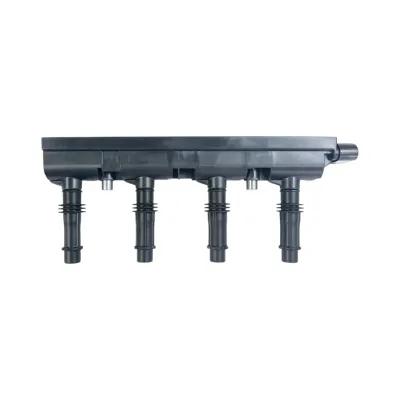
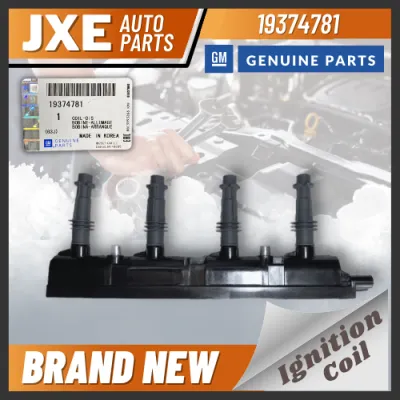
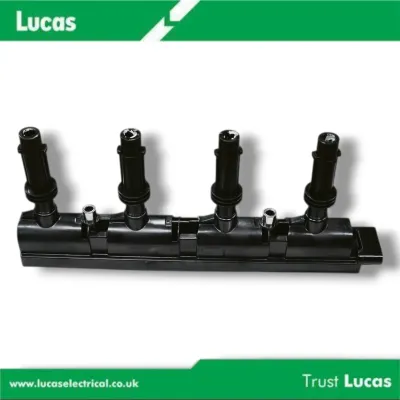
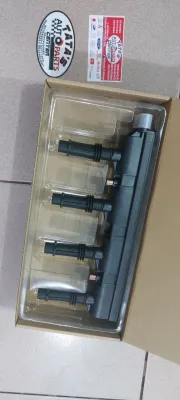
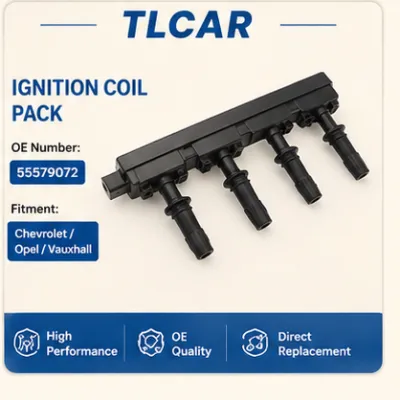
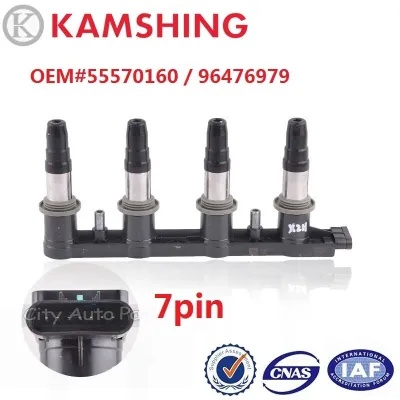
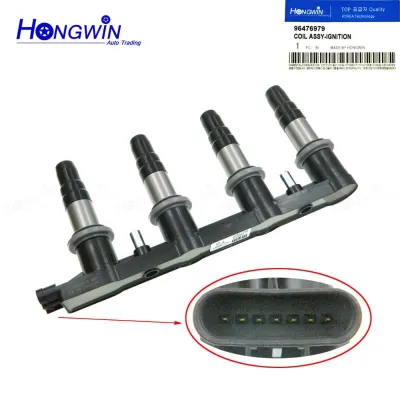
Prices are valid at publication and may change. Please refer to the product page for the latest price.
Rough idling is another classic symptom that becomes highly apparent when your vehicle is stationary. If you are idling at a traffic light in midday heat with the air conditioning running on maximum, a failing coil will cause the engine to shake, vibrate, or drop in revolutions per minute (RPM) unpredictably. In severe cases, the engine might stall completely when coming to a stop, requiring you to restart the vehicle in traffic.
A noticeable drop in fuel efficiency often accompanies these performance issues. Because a weak or failing coil cannot burn fuel efficiently, unburned gasoline is simply pushed out through the exhaust system, wasting fuel and increasing your running costs.
Finally, the vehicle’s onboard computer will detect these combustion irregularities and illuminate the check engine light on your dashboard. Depending on the severity of the misfire, this warning light may remain solid or begin to flash, signaling a critical issue that requires immediate attention.
Ignition Coil vs. Spark Plug: Identifying the True Culprit
Because the ignition coil and the spark plug work in tandem to ignite the fuel in each cylinder, they share almost identical failure symptoms. The ignition coil converts low battery voltage into the high voltage needed by the spark plug to create an electric arc. When a misfire occurs, it can be difficult to tell at first glance whether the coil has failed or if the spark plug tip is simply worn out.

To distinguish between the two, review your vehicle’s routine maintenance history. Spark plugs are scheduled wear items that require periodic replacement according to the intervals specified in your Chevrolet Sonic owner’s manual. Ignition coils do not have a fixed replacement interval and are designed to last much longer, usually failing unpredictably due to heat, vibration, or moisture.
One common diagnostic method is swapping components between cylinders. If the onboard computer indicates a misfire in cylinder one, a technician might swap the ignition coil from cylinder one to cylinder two. If the misfire code moves to cylinder two, the coil is faulty; if the misfire remains on cylinder one, the issue likely lies with the spark plug.
Before attempting any electrical tests or component swaps, prioritize safety and consult your vehicle’s manual. Working on an ignition system involves high voltages that can cause severe shock. Always disconnect the vehicle battery, ensure the engine is completely cool, and seek qualified professional installation if you are not fully confident in handling electrical components.
Safe Diagnostic Steps to Confirm the Issue at Home
If you want to perform preliminary checks at home, the safest starting point is using an OBD2 scanner. By plugging the scanner into the diagnostic port under your Sonic’s dashboard, you can retrieve specific diagnostic trouble codes (DTCs). Codes ranging from P0301 to P0304 pinpoint a misfire in a specific cylinder, which immediately tells you where to focus your inspection.
Once you have identified the suspect cylinder, perform a careful visual inspection of the ignition coil pack. On many Chevrolet Sonic models, the ignition coils are housed in a single multi-coil pack assembly. Carefully remove this assembly according to the manufacturer’s instructions and inspect the rubber boots for physical damage, such as hairline cracks, tears, melting, or carbon tracking (tiny black lines where electricity has escaped).
Next, look down into the spark plug tubes using a flashlight. Check for any signs of moisture, dirt, or engine oil intrusion. In humid tropical environments, condensation can accumulate, while a leaking valve cover gasket can allow engine oil to pool in the tubes. Oil or water in the spark plug tube will short out the electrical charge, damaging the coil boot and causing a persistent misfire.
If you detect any fluid contamination, the source of the leak must be repaired, and the tubes must be thoroughly cleaned and dried before installing any new components. Using specialized electrical contact cleaners should only be done in strict accordance with the product label instructions to avoid damaging sensitive plastic and rubber seals.
When to Stop Driving and Seek Professional Help
While it may be tempting to continue driving your Chevrolet Sonic with a minor engine stumble, doing so carries significant risks. A severe, active misfire allows unburned fuel to pass directly into the exhaust system. This raw fuel can quickly reach and damage the catalytic converter, leading to an expensive repair bill.
You must stop driving immediately if your check engine light begins to flash continuously. A flashing check engine light is an industry-standard warning that a severe misfire is actively occurring and that immediate catalytic converter damage is imminent. If this occurs alongside severe engine shaking, a sudden loss of power, or a strong smell of unburned fuel, pull over safely and arrange for a tow.
DIY diagnostics have clear limits, and you should stop and consult a qualified mechanic if basic visual checks and code reading do not yield a clear answer. Advanced electrical testing, such as measuring primary and secondary coil resistance with a multimeter, or performing engine compression and leak-down tests, requires specialized training and equipment. Attempting these without the proper tools can lead to personal injury or permanent damage to your vehicle’s engine control module.
Verifying Specifications Before Buying a Replacement
Once you have confirmed that your Chevrolet Sonic requires a new ignition coil, verifying the exact specifications is critical to avoid purchasing incompatible parts. The Chevrolet Sonic has been produced with different engine options, such as the 1.4-liter turbocharged and 1.8-liter naturally aspirated engines. Because these configurations use entirely different ignition setups, parts are not interchangeable.
Always match the exact Original Equipment Manufacturer (OEM) part number or a verified aftermarket equivalent that is certified for your specific model year, engine displacement, and trim level. Do not rely solely on generic category terms on online marketplaces or ecommerce platforms, as compatibility databases can sometimes contain errors. Verify the physical dimensions, electrical connector interface, and mounting bolt locations against your original part before finalizing your purchase.
Consult your vehicle’s owner’s manual to check for recommended electrical specifications and to see if any replacement work might affect your vehicle’s active warranty conditions. Additionally, evaluate whether it is practical to replace the spark plugs and coil boots at the same time. Installing a new ignition coil over worn, high-resistance spark plugs can overwork the new coil, leading to premature failure.
Frequently Asked Questions (FAQ)
Can I replace just one ignition coil, or should I replace them all?
Whether you should replace a single coil or the entire set depends on your vehicle’s mileage and ignition design. On Chevrolet Sonic models equipped with a single, integrated multi-coil pack, you must replace the entire assembly even if only one coil has failed. If your model uses individual coil-on-plug units, replacing just the failed unit is acceptable for low-mileage vehicles. However, if your Sonic has high mileage, replacing the entire set is a wise preventative measure to avoid sequential failures.
How long does an ignition coil typically last?
There is no fixed lifespan or guaranteed mileage interval for an ignition coil, as its longevity is heavily influenced by operating conditions. Extreme engine bay heat, excessive vibration, and driving in highly humid or dusty environments can accelerate the breakdown of the coil’s internal insulation. Maintaining your spark plugs according to the manufacturer’s recommended schedule is one of the best ways to extend coil life, as worn plugs force the coil to work harder to bridge the gap, leading to overheating and premature failure.

Community discussion
Share your experience or ask a question. Comments are reviewed before publication.