
A worn cylinder block set on your motorcycle manifests through distinct performance drops and physical signs, but diagnosing it accurately requires separating block wear from minor top-end issues. In the Philippines, where motorcycles face daily commutes, heavy traffic, and high tropical humidity, the engine is subjected to constant thermal stress. Over time, this heat and friction can wear down the cylinder bore, leading to compression loss and oil consumption.
Jumping straight to purchasing a new block set without a systematic diagnosis can lead to unnecessary expenses. Many symptoms of a failing cylinder block closely resemble simpler issues like worn valve seals or incorrect fuel tuning. By understanding the specific warning signs and performing targeted checks, you can determine if your engine truly requires a complete block set replacement or if a simpler fix will restore its performance.
Observable Symptoms of a Worn Sniper 150 Block Set
One of the most common indicators of a worn cylinder block is the appearance of blue-white exhaust smoke. This color specifically indicates that engine oil is escaping past the piston rings and entering the combustion chamber, where it burns alongside the fuel. If you notice this smoke consistently during acceleration or while the engine is under load, it is a strong sign that the seal between the piston rings and the cylinder wall has degraded.
Products mentioned in this guide
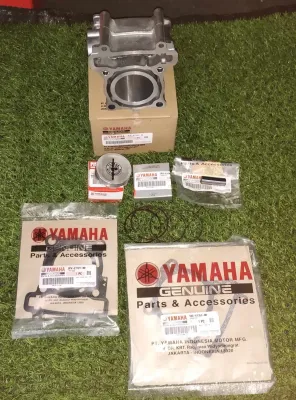
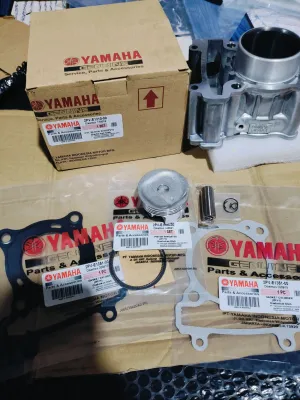
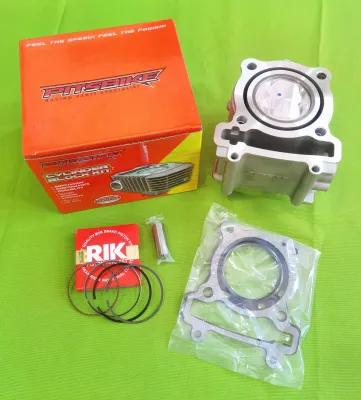
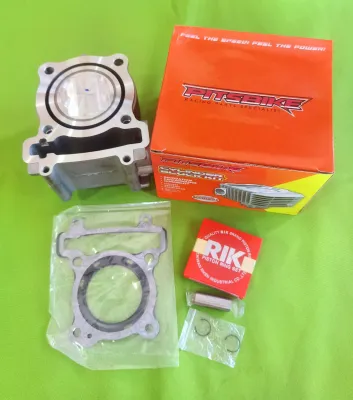
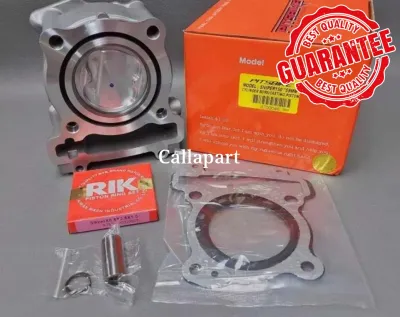
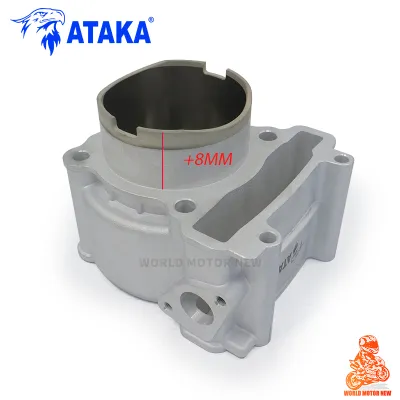
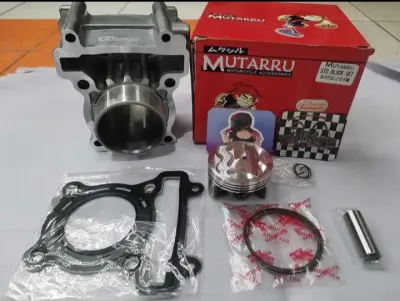
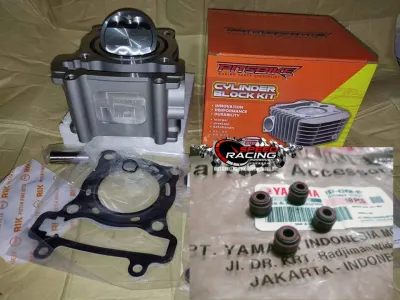
Prices are valid at publication and may change. Please refer to the product page for the latest price.
Another clear symptom is a noticeable loss of engine compression, which directly translates to a drop in power. You will likely feel this power loss when attempting to climb steep inclines, carry a pillion passenger, or accelerate quickly on open roads. The engine may feel sluggish, struggle to reach its usual top speed, or require more throttle input than usual to maintain standard cruising speeds.
Unusual mechanical noises originating from the top end of the engine also point to cylinder wear. As the cylinder bore becomes out-of-round or oversized, the clearance between the piston and the cylinder wall increases. This excessive clearance can cause “piston slap,” a metallic rattling or knocking sound that is particularly noticeable when the engine is idling or cold.
Finally, keep a close eye on your engine oil level. A worn block set often leads to high oil consumption without any visible external leaks on your garage floor or the engine casing. If you find yourself constantly topping up the oil reservoir between scheduled maintenance intervals, the oil is likely bypassing the worn cylinder seals and burning off silently during operation.
Ruling Out Other Common Engine Problems
Before investing in a new block set, you must rule out other common engine faults that produce similar symptoms. For instance, worn valve stem seals can also cause blue-white exhaust smoke. However, valve seal smoke typically occurs during a cold start after the motorcycle has been sitting overnight and gradually clears up once the engine reaches operating temperature, whereas a worn block causes continuous smoking.

Fuel system issues can also mimic engine power loss. A clogged air filter, a malfunctioning fuel injector, or incorrect ECU mapping can cause a rich fuel mixture, resulting in dark black smoke and sluggish performance. This is a fueling calibration issue rather than a mechanical failure of the cylinder wall, and it can usually be resolved without disassembling the engine.
Clutch slippage is another issue that riders frequently mistake for a loss of engine power. If your engine RPMs rise rapidly when you twist the throttle but your motorcycle’s actual speed does not increase proportionally, the clutch plates are likely slipping. This transmission-side problem requires a clutch replacement rather than top-end engine work.
It is also important to distinguish between worn piston rings and a damaged cylinder block. In some cases, the piston rings may lose their tension while the cylinder wall remains smooth and within factory tolerances. However, if the cylinder wall is deeply scored, scratched, or glazed, simply installing new rings will not resolve the issue, as the new rings will fail to seal against the damaged surface.
Verification Steps and Professional Checks
To confirm the condition of your cylinder block before purchasing replacement parts, you should perform or request a series of diagnostic tests. Working on internal engine components carries safety risks and requires specialized tools. Always refer to your original vehicle documentation for safety guidelines, and ensure any complex disassembly or testing is performed by a qualified motorcycle mechanic.
A cylinder compression test is an excellent starting point. By attaching a compression gauge to the spark plug port and cranking the engine, you can measure the maximum pressure the cylinder can generate. Compare this reading directly to the manufacturer’s official specifications in your service manual to determine if the pressure falls within the acceptable operating range.
If the initial compression test yields a low reading, you can perform a wet compression test to isolate the cause. By adding a small amount of clean engine oil into the spark plug hole before retesting, you temporarily seal the piston rings. If the compression reading rises significantly during the wet test, the piston rings or cylinder wall are worn; if the reading remains low, the compression loss is likely due to leaking valves or a blown head gasket.
For a definitive diagnosis, a visual inspection of the cylinder bore is necessary. This requires partial disassembly of the engine top end to expose the cylinder. A qualified technician will look for deep vertical scratches, scoring, or a highly polished “glazed” finish. A healthy cylinder should display a faint diagonal cross-hatch pattern, which helps retain oil and lubricate the piston.
Deciding Between a New Block Set and Cylinder Re-boring
When faced with a worn cylinder, you must decide whether to purchase a complete new block set or have the existing cylinder re-bored at a machine shop. A brand-new block set is the only safe and viable option if the original cylinder displays severe cracking, deep scoring that exceeds maximum re-bore limits, or structural warping caused by severe engine overheating.
Your decision will also depend on the specific technology of your engine block. The Sniper 150 utilizes a DiASil (Die-casting Aluminum Silicon) cylinder block, which does not feature a traditional steel sleeve. Because DiASil blocks rely on a highly durable, silicon-rich aluminum surface for heat dissipation and wear resistance, they cannot be traditionally re-bored or honed like cast-iron cylinders. Attempting to re-bore a DiASil cylinder removes this specialized surface layer, leading to rapid engine failure.
While some riders opt to install a steel sleeve into a worn DiASil block to allow for future re-boring, this modification can compromise the engine’s heat dissipation capabilities, especially in hot tropical climates. Sourcing a complete, high-quality OEM or reputable aftermarket block set is generally the most reliable path to restoring factory-spec performance and ensuring long-term durability.
If you decide to purchase a new block set, always verify compatibility with your specific motorcycle model year and engine generation before buying. Ensure the kit includes the correct piston size, matching rings, piston pin, circlips, and high-quality gaskets. Proper installation and adherence to factory torque specifications are critical to preventing premature wear and ensuring a leak-free seal.
Frequently Asked Questions (FAQ)
Can I just replace the piston rings instead of the whole block set?
Replacing only the piston rings is only viable if the cylinder wall is completely free of scratches, scoring, or uneven wear, and its bore diameter remains within the manufacturer’s service limits. If you install new rings inside a scored or out-of-round cylinder, the rings will not seat properly against the wall. This incomplete seal will cause the engine to continue burning oil, lose compression, and rapidly wear down the new rings, resulting in a wasted repair effort.
How long does a replacement block set typically last?
The lifespan of a replacement block set depends heavily on your maintenance habits and riding conditions rather than a fixed mileage figure. To maximize the durability of your new block, perform regular oil changes using the correct viscosity recommended in your owner’s manual, and replace the air filter at scheduled intervals to prevent abrasive dust from entering the combustion chamber. Additionally, allow the engine to warm up briefly before riding hard to ensure proper oil circulation and thermal expansion of the internal components.

Community discussion
Share your experience or ask a question. Comments are reviewed before publication.