
Choosing the right spark plug for your Yamaha Mio i 125 is a simple yet critical decision to keep your scooter running smoothly. As a popular daily commuter in the Philippines, this fuel-injected scooter frequently faces harsh riding environments, including intense tropical heat, heavy stop-and-go traffic, and sudden monsoon downpours. Deciding between a standard copper-core spark plug and a premium iridium alternative requires weighing upfront costs against long-term durability, maintenance convenience, and overall ignition reliability. While both options are designed to ignite the air-fuel mixture in your engine, they do so using different materials and designs that directly impact how often you need to open up your scooter’s fairings for maintenance.
For most riders, the choice comes down to how much time and money they want to invest in routine servicing. Standard spark plugs are highly affordable and widely available, making them the traditional choice for budget-conscious owners who do not mind performing regular checkups. On the other hand, iridium spark plugs utilize a highly durable precious metal that resists wear and maintains a stable spark over a much longer period, making them ideal for those who prefer a low-maintenance ownership experience. Understanding the technical specifications of your Mio i 125 and how these two plug types perform under local driving conditions will help you make an informed decision that keeps your engine starting reliably every single morning.
Verifying OEM Specifications and Initial Assessment
Before purchasing any replacement part for your Yamaha Mio i 125, you must establish the baseline requirements specified by the manufacturer. The Mio i 125 utilizes a 125cc air-cooled, four-stroke, SOHC, Blue Core engine that relies on precise ignition timing and a specific spark plug configuration to maintain its fuel efficiency. To find the correct spark plug specifications, your first point of reference should always be the official Yamaha owner’s manual. This document outlines the exact thread size, thread reach, and heat range required to keep the engine operating within its safe thermal limits.
Products mentioned in this guide
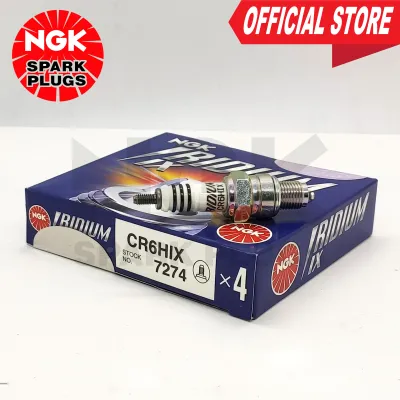
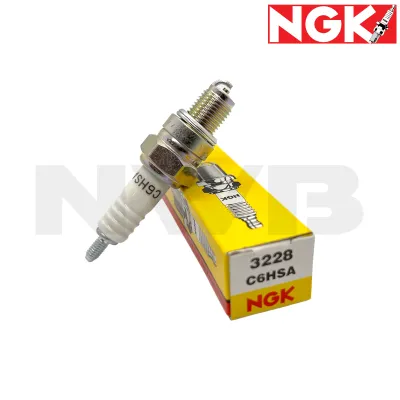
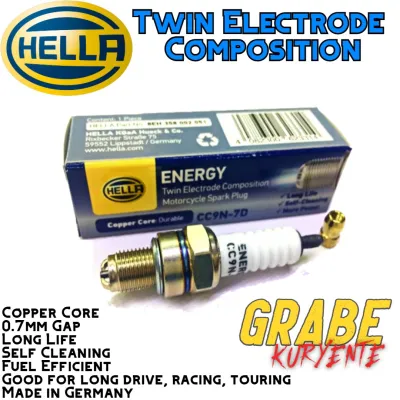
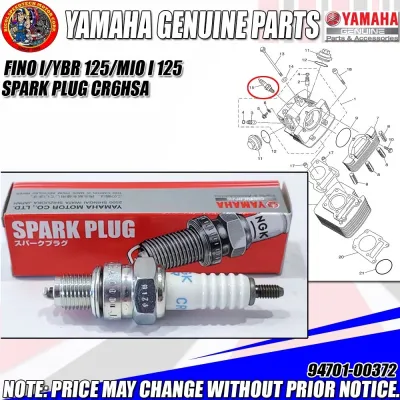
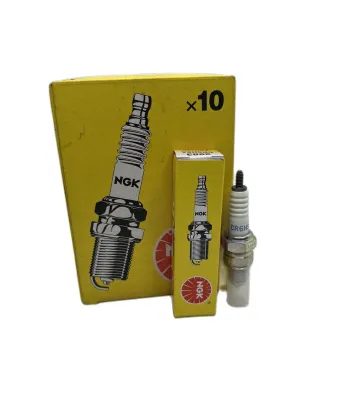
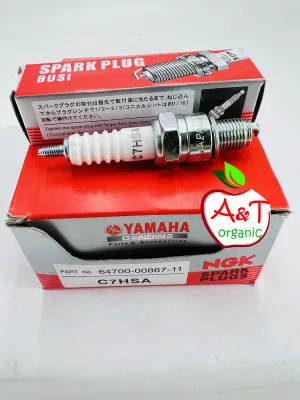
Prices are valid at publication and may change. Please refer to the product page for the latest price.
The heat range of a spark plug is a critical specification that determines how quickly the plug transfers heat from the combustion chamber to the cylinder head. If you install a spark plug with a heat range that is too hot for the Mio i 125, the electrode can retain excessive heat, potentially leading to pre-ignition, knocking, and severe engine damage over time. Conversely, choosing a plug that is too cold will prevent the electrode from reaching its self-cleaning temperature, causing carbon deposits to accumulate rapidly and leading to hard starts, misfires, and poor fuel economy.
If you do not have access to the original owner’s manual, you can verify the correct specifications by carefully removing the existing spark plug and inspecting the alphanumeric code stamped on its metal shell. For the Yamaha Mio i 125, the standard factory-installed plug is typically an NGK CR6HSA or an equivalent model from another reputable manufacturer. If the markings on your current plug are worn away or if you suspect the previous owner installed the wrong part, visiting an authorized Yamaha dealer or a trusted local mechanic is the safest way to confirm the correct replacement code before spending any money.
Standard vs. Iridium: Material and Design Differences
The primary difference between standard and iridium spark plugs lies in the materials used to construct their electrodes and the physical design of their firing tips. Standard spark plugs typically feature a copper core surrounded by a relatively thick nickel alloy center electrode. Because nickel is a softer metal with a lower melting point than precious metals, the electrode must be designed with a larger diameter—usually around 2.5 millimeters—to withstand the constant electrical arcing and high combustion temperatures inside the cylinder.

In contrast, iridium spark plugs utilize an extremely hard precious metal with an exceptionally high melting point. This material strength allows manufacturers to design the center electrode with an incredibly fine wire tip, often measuring just 0.6 millimeters in diameter. According to manufacturer packaging and technical labels, this fine-wire design concentrates the electrical spark into a smaller, more precise area. This concentration reduces the voltage required from the ignition coil to jump the gap, which can contribute to more reliable ignition starts, especially when the battery is not at peak charge.
When you inspect the two types of spark plugs side by side, the visual differences are immediately apparent. The standard plug has a flat, cylindrical nickel electrode that looks like a small metal peg, while the iridium plug features a sharp, needle-like point at the center. While both designs are fully capable of igniting the fuel mixture in a stock Mio i 125 engine, the premium construction of the iridium plug is engineered to resist electrical erosion and chemical corrosion far better than standard nickel alloy under normal operating conditions.
Assessing Lifespan and Replacement Intervals
How these material differences translate to real-world maintenance schedules is a major consideration for daily commuters. According to the Yamaha owner’s manual, standard nickel-alloy spark plugs have a relatively short service life and should be inspected and cleaned regularly, with replacement typically recommended every 4,000 to 8,000 kilometers. Because the nickel electrode gradually erodes with every spark, the gap between the center and ground electrodes slowly widens over time, forcing the ignition system to work harder to bridge the space.
Iridium’s extreme hardness and resistance to wear allow it to maintain its precise gap for a significantly longer period. While the exact lifespan depends on the plug manufacturer’s specifications and your riding habits, iridium plugs can often last two to three times longer than standard copper-core plugs before requiring replacement. This extended durability is highly beneficial for riders who use their Mio i 125 for daily delivery services or long commutes, as it reduces the frequency of routine maintenance and minimizes the risk of sudden ignition failure on the road.
Regardless of the material you choose, you must regularly inspect your spark plug for observable signs of wear and engine health. Removing the plug allows you to check for carbon fouling, which appears as a dry, black soot covering the tip, often caused by frequent short trips or a rich fuel mixture. You should also look for wet oil deposits, which indicate potential piston ring or valve seal wear, as well as physical erosion of the electrode. If you observe any of these conditions, the spark plug must be replaced early, and the underlying engine issue must be addressed to prevent recurring damage.
Evaluating Cost-Effectiveness for Daily Riding
When shopping at local auto supply stores or online marketplaces in the Philippines, the price difference between these two options is substantial. A standard copper-core spark plug for the Mio i 125 is highly budget-friendly, typically retailing for around ₱100 to ₱150. An iridium spark plug, however, is a premium investment that generally costs between ₱400 and ₱600. For riders on a tight budget, the low upfront cost of a standard plug is highly appealing, especially if they are comfortable performing their own basic maintenance.
To determine the true cost-effectiveness, you must calculate the long-term expenses by factoring in the expected lifespan of each plug and any associated labor costs. If you rely on a local mechanic to service your scooter, the labor fees for replacing a standard plug multiple times can quickly surpass the initial cost of a single iridium plug. Even if you perform the replacement yourself, the time and effort saved by not having to remove the scooter’s plastic body panels as frequently can make the higher upfront price of an iridium plug highly practical.
Riding conditions in the Philippines also play a major role in this financial equation. Heavy urban traffic, high ambient temperatures, and frequent short trips cause engines to idle for extended periods, which accelerates spark plug wear and increases the likelihood of carbon buildup. In these demanding environments, the superior thermal resistance of an iridium plug helps maintain consistent ignition performance, potentially preventing fuel wastage from minor misfires and saving you money at the fuel pump over the lifespan of the plug.
Decision Framework: Which Spark Plug Should You Buy?
To finalize your purchase decision, you should evaluate your riding habits, budget, and maintenance preferences against a clear, condition-based framework. Choosing a standard spark plug is the most logical path if you prefer to minimize your immediate expenses and do not mind performing regular garage maintenance. It is also the ideal choice for riders who strictly follow the factory service schedule and prefer to inspect their engine components frequently, ensuring that any potential issues are caught early during routine plug swaps.
Conversely, investing in an iridium spark plug is highly recommended if you want to maximize the time between maintenance intervals and enjoy a more convenient ownership experience. This option is particularly suited for daily commuters who face heavy traffic, delivery riders who put high mileage on their scooters, and those who want the peace of mind that comes with a highly durable ignition component. The potential for a slightly smoother idle and more reliable cold starts in humid weather further justifies the higher initial cost for many riders.
Before making your final purchase, you must verify the overall mechanical condition of your Mio i 125. If your scooter is currently experiencing persistent misfires, hard starting, or heavy exhaust smoke, installing a premium iridium plug will not resolve these underlying issues. Furthermore, if you have modified your engine with aftermarket exhaust systems or high-flow air filters, you may need to consult a professional tuner to determine if a different heat range or plug specification is required to prevent engine damage.
Safe Installation and Maintenance Boundaries
Replacing the spark plug on your Yamaha Mio i 125 is a straightforward task, but it requires strict adherence to safety protocols to prevent costly damage to your engine. Before beginning any work, ensure that the scooter is parked on a flat surface, the ignition key is turned off, and the engine has cooled down completely. Attempting to remove a spark plug from a hot aluminum cylinder head can cause the metal threads to gall or strip, resulting in an expensive repair that requires cylinder head removal.
When installing the new spark plug, always start threading it into the cylinder head by hand using only your fingers or a flexible rubber hose attached to the plug’s insulator. This technique ensures that the threads are properly aligned and prevents cross-threading, which can easily ruin the delicate aluminum threads of the engine block. Once the plug is seated hand-tight, use a calibrated torque wrench and a dedicated spark plug socket to tighten it to the manufacturer’s exact torque specifications, which can be found in the service manual or on the spark plug packaging.
If you encounter significant resistance while trying to unscrew the old spark plug, stop immediately and do not force it. A seized plug often indicates cross-threading or severe carbon buildup on the exposed threads inside the combustion chamber, and forcing it can snap the plug or strip the cylinder head. In such cases, apply a small amount of penetrating oil, let it sit for several minutes, and if it still refuses to budge, take your scooter to a qualified professional mechanic who has the specialized tools and experience to resolve the issue safely.
Frequently Asked Questions (FAQ)
Can I switch back to a standard spark plug after using iridium?
Yes, you can safely switch back to a standard copper-core spark plug after using an iridium plug on your Yamaha Mio i 125. There are no mechanical barriers to reverting to the original factory specification, provided that the replacement standard plug matches the exact thread size, reach, and heat range recommended in your owner’s manual. Many riders choose to switch back if they are preparing to sell the scooter or if they prefer the lower upfront cost of standard plugs during a routine service. Always ensure that the plug is properly gapped to factory specifications before installation to maintain optimal engine performance.
Do I need to manually gap an iridium spark plug?
No, you should generally avoid manually gapping an iridium spark plug, as most premium plugs come pre-gapped from the factory specifically for their intended applications. The extremely fine iridium center electrode is highly delicate and can easily bend, crack, or snap if it is subjected to pressure from traditional coin-style gapping tools. If you suspect that the gap has been altered due to accidental dropping or shipping damage, use a non-contact wire-type feeler gauge to check the clearance very gently. If adjustment is absolutely necessary, use a specialized tool that only bends the ground electrode without making any contact with the fragile iridium tip.

Community discussion
Share your experience or ask a question. Comments are reviewed before publication.