
Whether the Storm Ride Pro raincoat is waterproof enough for heavy monsoon rides depends on its specific material ratings, structural sealing, and how well it fits over your riding gear. While marketing often promises complete dryness, real-world performance during intense downpours in the Philippines hinges on verifiable specifications like hydrostatic head ratings and physical design details such as taped seams and storm flaps. By systematically inspecting these features and maintaining the fabric properly, commuters can determine if this gear will keep them dry during challenging wet-weather commutes.
Navigating a tropical downpour on a motorcycle or bicycle exposes your gear to high-speed wind and relentless water pressure. Standard rain jackets often fail under these conditions because water is forced through the fabric and seams. To ensure the Storm Ride Pro raincoat can handle your daily commute, you must look closely at its technical specifications and physical construction rather than relying solely on brand promises.
Checking Waterproof Specifications on the Product Label
To verify the baseline protection of the Storm Ride Pro raincoat, start by locating the product tag, inner label, or official manufacturer listing. Look specifically for the hydrostatic head rating, which is measured in millimeters (mm). This rating indicates the amount of water pressure the fabric can withstand before moisture begins to penetrate. For light rain, a rating of 5,000 mm might suffice, but navigating heavy monsoon downpours on a moving vehicle generally requires a rating of 10,000 mm or higher to counteract the force of wind-driven rain.
Products mentioned in this guide
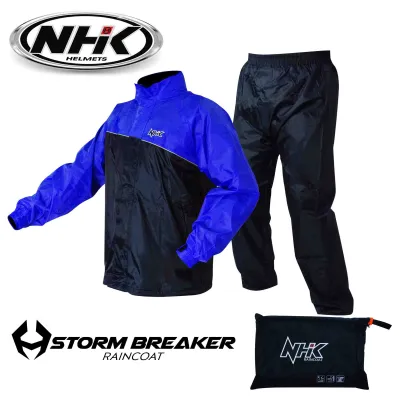
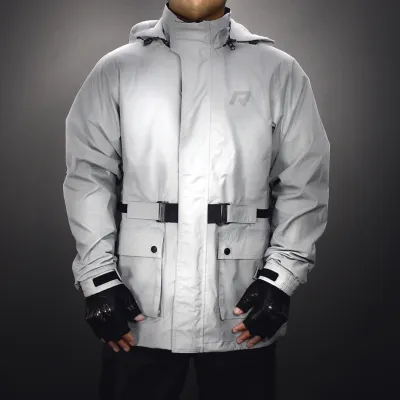
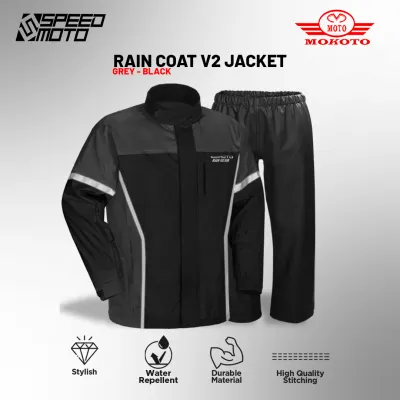
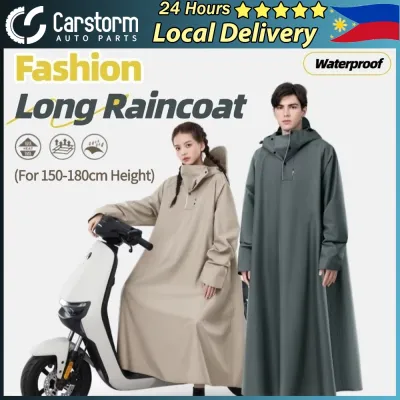
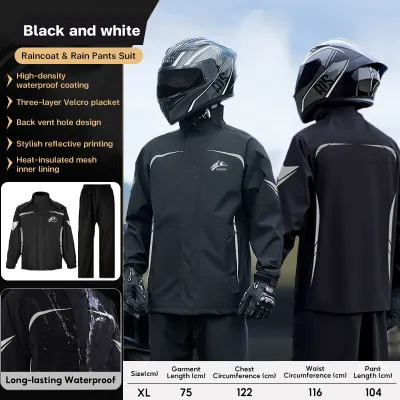
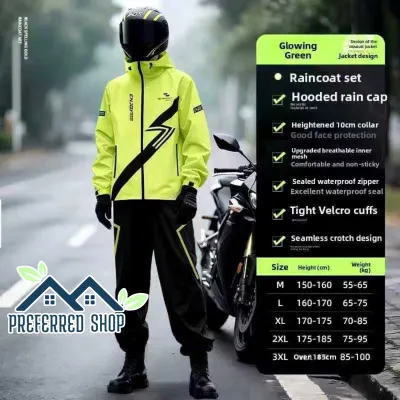

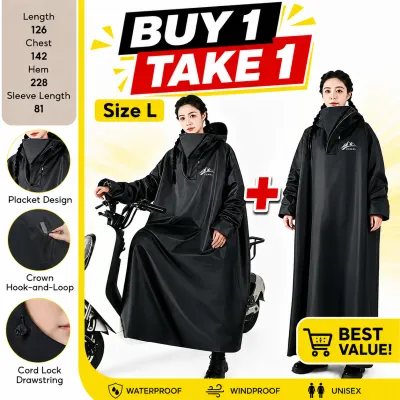
Prices are valid at publication and may change. Please refer to the product page for the latest price.
It is also essential to differentiate between water-resistant, waterproof, and fully seam-sealed claims on the packaging. A water-resistant garment only repels light moisture for a short period, whereas a waterproof designation means the fabric itself is impervious to water. However, even a waterproof fabric will let water in if the seams are not sealed. Ensure the manufacturer documentation explicitly states that the garment is fully seam-sealed rather than just critically seam-sealed, which only covers high-exposure areas.
Additionally, identify the base material used in the construction of the raincoat. Common materials include polyester, nylon, and PVC, each offering different balances of durability, weight, and breathability. Polyester and nylon are often treated with a durable water repellent (DWR) coating on the exterior, which causes water to bead up and roll off the surface. Check the product specifications to see if a DWR coating is present, as this layer prevents the face fabric from absorbing water and becoming heavy.
Inspecting Structural Features for Heavy Downpours
Beyond the fabric specifications, the physical construction of the Storm Ride Pro raincoat determines how well it performs when blasted by wind and rain. Begin your inspection by turning the raincoat inside out to examine the seams. Look for clear or colored tape applied over every stitched line, or check if the seams are welded together using heat. Fully taped or welded seams are critical along the shoulders, chest, and back, as these areas face direct rain impact while you are in a riding position.

Next, evaluate the front closure system, which is a common entry point for water during high-speed commutes. A simple zipper is rarely enough to keep out driving rain; look for a robust storm flap or double zipper flap that covers the main zipper. These flaps should secure firmly with snap closures or high-quality hook-and-loop fasteners to create a physical barrier against water ingress. If the zipper lacks a protective flap, water will eventually seep through the zipper teeth and soak your chest.
Finally, inspect the openings at the neck and wrists, where water can easily run inside the garment. A high collar with an adjustable chin guard helps seal the gap beneath your helmet, preventing water from dripping down your neck. Adjustable cuffs, such as elastic bands combined with hook-and-loop straps, allow you to tighten the sleeves securely around your gloves. This prevents wind from forcing rain up your arms as you grip the handlebars.
Evaluating Fit and Mobility for Riding Postures
A raincoat that fits perfectly while standing may prove inadequate once you mount your motorcycle or bicycle. When you reach forward to grab the handlebars, your back arches and your arms extend, which can pull the fabric tight and expose your wrists and lower back. When trying on the Storm Ride Pro raincoat, mimic your riding posture to ensure the sleeves and back hem are long enough to maintain complete coverage.
Look for design elements that enhance mobility without putting undue stress on the waterproof membrane. Articulated elbows, underarm gussets, and stretch panels allow you to move freely and react quickly to road hazards. If a raincoat is too restrictive, the tension created by your movements can pull at the taped seams, eventually causing them to separate and leak.
You must also consider what you will wear underneath the raincoat during your commute. If you wear a protective riding jacket with armor, or if you carry a small backpack, the raincoat must be sized generously enough to accommodate these items. Forcing a tight raincoat over bulky gear stretches the fabric and seams, compromising its waterproof integrity and reducing comfort. Consider sizing up if the manufacturer has not already factored in extra room for protective gear.
Verifying Visibility and Safety Features
Riding in a heavy monsoon downpour severely reduces visibility for both you and other motorists on the road. To stay safe, your rain gear must make you as visible as possible in dark, stormy conditions. Inspect the Storm Ride Pro raincoat for reflective strips, piping, or logos placed strategically on the back, shoulders, and arms. These reflective elements catch the headlights of surrounding vehicles, alerting drivers to your presence.
High-visibility colors, such as neon yellow, bright orange, or fluorescent green, are highly recommended for daytime riding in low-light conditions. If the model you are evaluating is dark or black, ensure it has substantial reflective coverage to compensate. Additionally, verify that your riding posture or a backpack will not obscure these safety features, as a blocked reflective strip cannot protect you.
Maintaining and Drying the Raincoat After Rides
To preserve the waterproof performance of your raincoat, proper post-ride care is essential. After riding through a downpour, never fold the wet raincoat and stuff it into a motorcycle compartment or a dark bag. This traps moisture, leading to the growth of mold and mildew, which can degrade the waterproof coatings and cause unpleasant odors. Instead, hang the raincoat on a wide hanger in a well-ventilated area to air dry completely.
Keep the raincoat away from direct heat sources, such as radiators, exhaust pipes, or direct sunlight, as excessive heat can melt the waterproof backing or damage the seam tape. When the raincoat becomes dirty from road grime and oil, clean it according to the care label instructions. Avoid harsh household detergents, fabric softeners, and bleach, which can strip away the DWR coating and damage the fabric. Use a mild, liquid soap or a specialized technical wash designed for waterproof outerwear.
Regularly inspect the inner lining of the raincoat for signs of wear, such as peeling tape or a powdery residue, which indicates the waterproof barrier is breaking down. If you notice these signs, or if the fabric begins to retain a persistent musty odor despite proper drying, the material’s integrity has been compromised.
Identifying When to Replace Your Rain Gear
Even the highest-quality rain gear has a limited lifespan when subjected to the harsh conditions of daily commuting. Over time, constant folding, stretching, and exposure to UV rays and road chemicals will degrade the waterproof materials. One of the clearest signs that your raincoat needs replacement is “wetting out,” which occurs when the outer fabric absorbs water and becomes saturated rather than letting it bead and roll off.
While a worn DWR coating can sometimes be restored with aftermarket sprays, other signs of damage are irreversible. If you observe cracked PVC, peeling seam tape, or visible tears in the inner membrane, the raincoat can no longer protect you from heavy rain. Continuing to use compromised gear during a monsoon commute risks soaking your clothes, which can lead to hypothermia and reduced concentration on the road. When repairs are no longer effective, investing in a new, fully functional raincoat is the safest choice.
Frequently Asked Questions (FAQ)
Can I wash the Storm Ride Pro raincoat in a washing machine?
Before washing your raincoat, always check the specific care label attached to the garment. Generally, machine washing is not recommended for raincoats with delicate waterproof membranes or taped seams, as the agitation and spin cycles can cause the tape to peel and the fabric to tear. If the care label permits machine washing, use a gentle cycle with cold water and a mild liquid detergent, avoiding fabric softeners or bleach. For best results and longevity, hand washing with a soft sponge and rinsing thoroughly with clean water is usually the safest method.
Does the raincoat include a built-in helmet cover?
To determine if the Storm Ride Pro raincoat features a built-in helmet cover, you should check the product description or packaging details. Some riding raincoats include an integrated hood designed to be worn under or over a helmet to prevent water from running down your neck. If the raincoat does not come with this feature, you can purchase an aftermarket waterproof helmet cover or a separate neck gaiter designed to seal the gap between your helmet and collar, ensuring complete protection during heavy downpours.

Community discussion
Share your experience or ask a question. Comments are reviewed before publication.