
Finding the right car phone holder is not a one-size-fits-all decision. The ideal mounting type depends heavily on your vehicle’s dashboard texture, the design of your air vents, and your personal line-of-sight preferences. In tropical climates where intense cabin heat and high humidity are daily realities, these environmental factors also play a critical role in how well a mount holds up over time. By comparing suction cups, adhesive pads, air vent clips, and weighted dashboard mounts, you can identify the mechanism that keeps your device secure and your eyes safely on the road.
Navigating busy city streets or embarking on long road trips requires a reliable setup that keeps your GPS map within your natural field of vision. A poorly chosen mount can lead to a distracting, vibrating screen, or worse, a phone that falls onto the floorboards during a sudden stop. To prevent these hazards, you must evaluate how each mounting mechanism interacts with your specific vehicle interior and driving habits. This guide provides a practical framework to help you assess compatibility, stability, and safety before making a purchase.
How the Four Main Mounting Mechanisms Work
Suction cup mounts rely on a vacuum seal to adhere to smooth, non-porous surfaces. Most modern designs feature a polyurethane gel pad on the suction cup to help fill minor surface imperfections, making them highly effective on windshields and exceptionally smooth, flat plastic dashboard sections. However, they are highly sensitive to temperature fluctuations. Direct sunlight can cause the air trapped inside the cup to expand, weakening the vacuum seal and eventually causing the mount to release unexpectedly.
Products mentioned in this guide
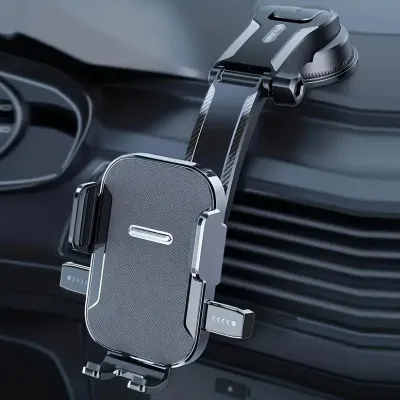
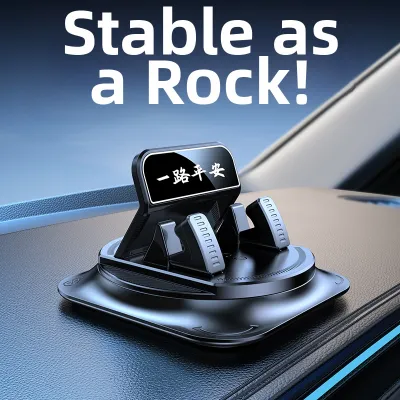
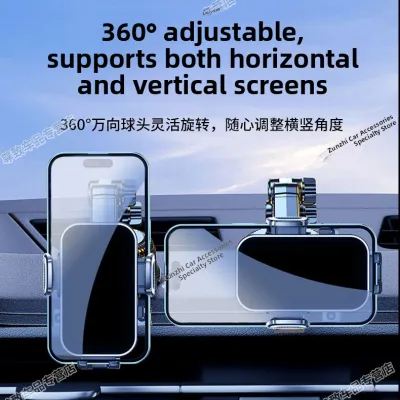

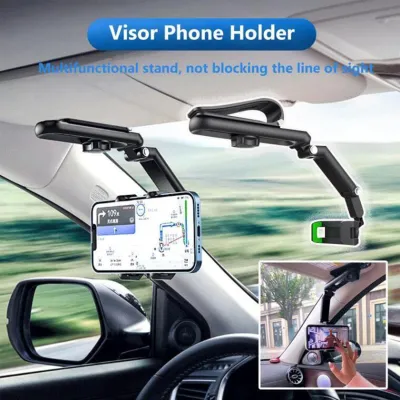
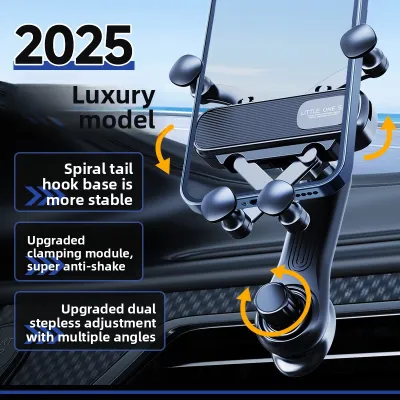
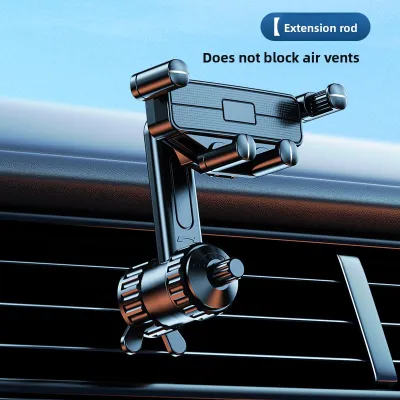
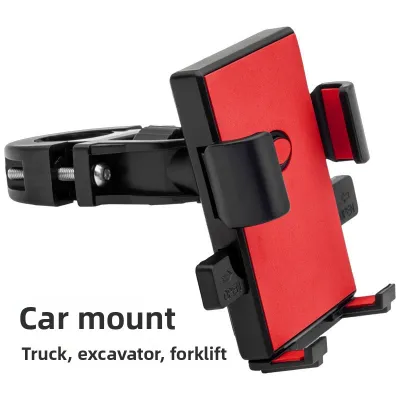
Prices are valid at publication and may change. Please refer to the product page for the latest price.
Adhesive mounts utilize a semi-permanent sticky pad, typically made of high-strength double-sided acrylic foam tape, to bond directly to your dashboard. This design allows the mount to have a very low profile, keeping your phone close to the dashboard surface and minimizing vibrations. While they are highly stable and can conform to slightly curved surfaces, they are semi-permanent. Removing them requires careful effort, and they can potentially leave behind sticky residue or damage delicate, soft-touch vinyl and leather surfaces.
Air vent mounts feature a specialized clip or clamp that attaches directly to the horizontal or vertical louvers of your vehicle’s HVAC system. This mechanism keeps your phone within easy reach and completely clear of your windshield view. An added benefit is that your vehicle’s air conditioning can help keep your smartphone cool during intensive tasks like GPS navigation and wireless charging. However, they block a portion of your cabin’s airflow and require compatible, sturdy vent blades to prevent sagging or damage.
Dashboard friction mounts, also known as weighted or beanbag mounts, sit freely on top of your dashboard without any physical attachment. They feature a heavy, flexible base coated with a high-friction, non-slip silicone or rubberized material that contours to the shape of your dash. This design offers unmatched portability, allowing you to move the holder between different vehicles instantly without leaving any marks or residue. However, because they rely entirely on gravity and friction, they are prone to sliding during aggressive cornering or sudden braking.
Assessing Stability Across Different Driving Conditions
Your typical driving environment plays a massive role in how stable your phone holder will remain. If your daily commute involves navigating bumpy roads, gravel paths, or streets with frequent potholes, vibration dampening is a critical factor. Long-arm suction cup mounts tend to amplify road vibrations, causing the phone to bounce and making the navigation screen difficult to read. In contrast, low-profile adhesive mounts and secure air vent clips offer much tighter integration with the vehicle’s chassis, significantly reducing screen shake.

High-temperature environments, particularly in tropical regions, present a severe test for mounting materials. When a car is parked under direct sunlight, dashboard temperatures can easily exceed 60 degrees Celsius. This intense heat can soften the adhesive on sticky pads, causing them to slide or peel off under the weight of your phone. Similarly, the rubber or silicone flange of a suction cup can dry out and lose its elasticity over time when exposed to constant UV rays, leading to frequent seal failures.
Frequent stop-and-go traffic, common in congested urban areas, subjects your phone mount to constant forward and backward forces. Under these conditions, weighted dashboard mounts are at the highest risk of shifting. A sudden, hard brake can send a weighted mount sliding forward onto the windshield or down into the footwell, creating a dangerous distraction. If your daily drive involves heavy traffic and unpredictable stops, a mechanically anchored mount like an air vent clip or a windshield suction cup provides far greater security.
Optimizing Line of Sight and Driving Safety
Positioning your phone holder correctly is essential for maintaining a clear view of the road and minimizing cognitive distraction. Windshield-mounted suction cups place the phone closer to your natural line of sight, allowing you to check navigation directions with minimal eye movement. However, this placement can also create physical blind spots, especially in smaller vehicles with compact windshields. It is crucial to position the mount where it does not obstruct your view of pedestrians, intersections, or oncoming traffic.
Air vent mounts position your phone lower down, typically level with the center console or stereo system. This keeps your windshield completely clear of obstructions, which many drivers prefer for a cleaner look and better forward visibility. However, looking down at a low-mounted screen requires you to take your eyes off the road for longer intervals. If your vehicle’s vents are positioned particularly low, this setup can lead to unsafe driving habits, especially when navigating complex highway interchanges.
Before finalizing your mount’s position, always check local traffic regulations regarding windshield obstructions and screen placement. Many regions have strict laws, such as anti-distracted driving acts, that prohibit mounting any device directly in the driver’s direct line of sight or within the sweep of the windshield wipers. Additionally, you must ensure that the mount and your phone do not interfere with the deployment zones of your vehicle’s airbags. Placing a mount over an airbag cover can turn the device into a dangerous projectile in the event of a collision.
Inspecting Your Vehicle Interior for Compatibility
Before purchasing any car phone holder, a thorough inspection of your vehicle’s interior is necessary to rule out incompatible designs. Start with a dashboard texture check. Run your fingers over the surface where you plan to place the mount; if it feels rough, grainy, or has a soft, leather-like yield, standard suction cups will struggle to maintain a vacuum, and adhesives may damage the finish.
Next, perform a vent blade inspection. Examine the shape and flexibility of your HVAC louvers. Standard horizontal or vertical blades are generally compatible with most vent clips, but circular, deeply recessed, or highly angled vents often lack the flat surface area needed for a secure grip. Additionally, fragile or loose vent blades may sag under the weight of a modern, heavy smartphone.
Finally, evaluate your windshield’s angle and depth. In vehicles with steeply raked windshields or deep, expansive dashboards, a standard short-arm suction cup may place the phone too far out of reach. In such cases, you would need a mount with an telescoping arm, or you may need to opt for a dashboard- or vent-based alternative to keep the device within comfortable arm’s reach.
Choosing the Right Mount for Your Specific Setup
To synthesize these factors, choose a suction cup mount if you have a smooth, flat windshield or a glossy dashboard section, and you prefer a high, easily readable line of sight that does not block your air vents. This setup is ideal if you want the flexibility to adjust the angle frequently or transfer the mount to another vehicle occasionally.
Choose an adhesive mount if your dashboard is textured or curved, and you want a permanent, low-profile, and highly stable setup that minimizes screen vibration. This option works best if you are comfortable with a fixed mounting location and do not plan on moving the holder to another car.
Choose an air vent mount if you want to keep your phone cool during long drives, prefer to keep your windshield completely unobstructed, and your vehicle features sturdy, standard horizontal vent blades. This is a highly compact option that keeps the device within easy reach of charging cables.
Choose a weighted dashboard mount if you frequently drive rental cars, share a vehicle with other drivers, or want a zero-installation option that leaves absolutely no residue, marks, or physical wear on your car’s interior surfaces.
Always verify first if your vehicle features specialized soft-touch coatings, fragile vent mechanisms, or if local traffic laws strictly regulate where screens can be positioned. Consulting your vehicle’s owner manual can help identify sensitive interior materials that might be damaged by strong adhesives or heavy mechanical clips.
Frequently Asked Questions (FAQ)
Can I use a suction cup mount on a textured dashboard?
Standard suction cups generally cannot maintain a reliable vacuum seal on textured or porous dashboard surfaces, as air slowly leaks through the microscopic gaps. However, many manufacturers provide an adhesive-backed smooth plastic disk as a workaround. You can adhere this flat disk to the textured dashboard first, creating a non-porous surface for the suction cup to grip.
Will an air vent mount damage my car's AC louvers?
Heavy smartphones, combined with the leverage of a protruding mount, can put significant physical stress on fragile or circular vent blades. Over time, this weight can cause the blades to sag, loosen, or even snap. To prevent damage, check the thickness of your vent blades and choose a mount with a supportive kickstand or a padded clip designed to distribute the weight evenly.
How do I safely remove an adhesive mount without damaging the dashboard?
To safely remove a semi-permanent adhesive mount, avoid prying it off dry, which can tear soft-touch plastics or vinyl. Instead, apply gentle heat with a hair dryer to soften the adhesive backing. Once warmed, slide a piece of dental floss or fishing line behind the mount’s base, using a sawing motion to slice through the softened foam pad. Check your vehicle owner’s manual for approved cleaning agents to remove any remaining residue, and stop immediately if the dashboard material feels soft or easily scratched.

Community discussion
Share your experience or ask a question. Comments are reviewed before publication.