
Finding the right phone holder for your vehicle is not about finding a universally perfect product, but rather about matching a mount’s design to your specific cabin layout and driving habits. The ideal choice depends on your dashboard’s physical shape, the design of your air vents, and how you prefer to maintain your line of sight while navigating busy roads. In the tropical climate of the Philippines, factors like intense cabin heat and high humidity also play a significant role in how well different mounting materials perform over time.
To make an informed decision, you must weigh the trade-offs of each primary mount type: sun visor clips, air vent mounts, and suction cups. While one driver might prioritize keeping their dashboard completely clear, another might need a mount that positions the phone closer to eye level for quick navigation checks. By analyzing your vehicle’s interior architecture and understanding the physical limitations of each mounting style, you can select a secure, legal, and highly functional setup that keeps your device stable on every journey.
Key Factors to Evaluate Before Choosing a Mount
Before purchasing any phone holder, take a close look at your vehicle’s dashboard geometry and windshield angle. Deep, steeply raked windshields offer ample space for suction mounts but can make the phone difficult to reach, while shallow dashboards limit your mounting options significantly. Additionally, you must consider local road safety regulations in the Philippines, which strictly prohibit placing any device in a way that obstructs your direct view of the road or interferes with your vehicle’s safety systems.
Products mentioned in this guide
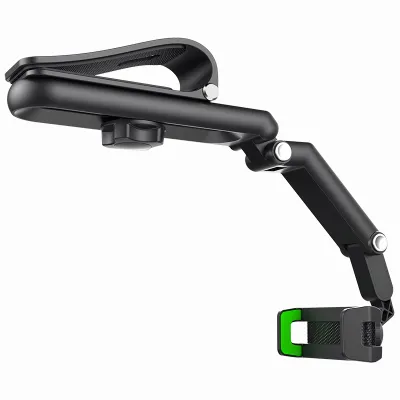
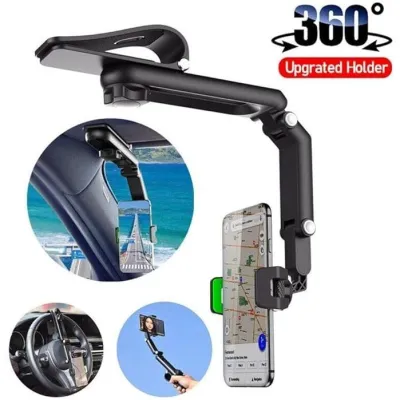
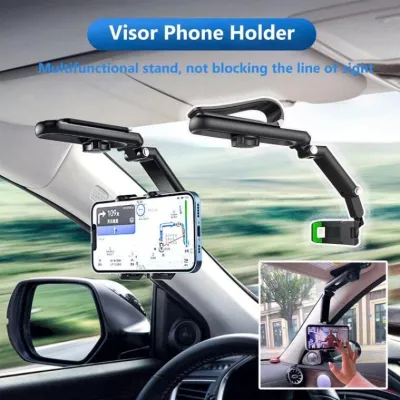
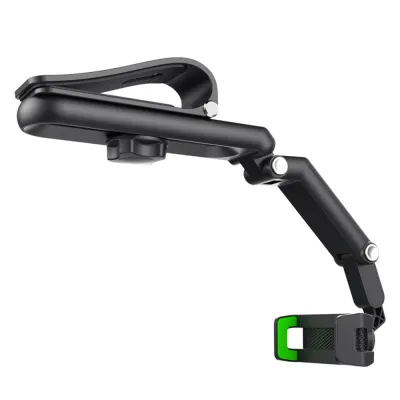
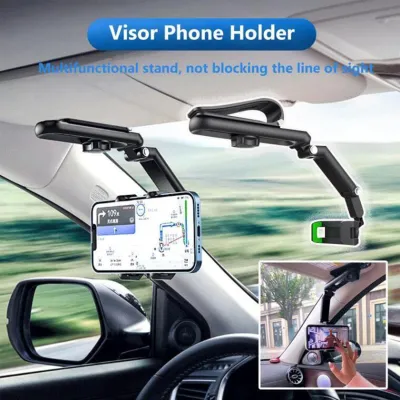
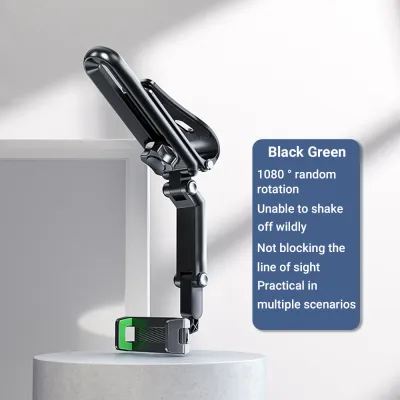
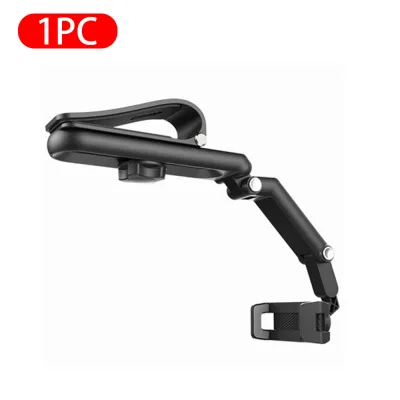
Prices are valid at publication and may change. Please refer to the product page for the latest price.
Your personal viewing preferences and daily habits should also guide your choice. If you frequently swap your phone between different family vehicles, a highly portable clip-on or vent mount may serve you better than a semi-permanent adhesive or heavy-duty suction cup setup. Consider how often you need to mount and unmount your phone; one-handed quick-release mechanisms offer great convenience for daily commuters, whereas manual screw-clamp designs provide maximum security for long, bumpy trips.
Ultimately, there is no single “best” phone holder for every driver. The correct decision is highly conditional, requiring you to balance your car’s physical constraints with your daily driving needs. By evaluating these factors beforehand, you can avoid common issues such as blocked air vents, loose mounts, or illegal windshield obstructions.
Sun Visor Phone Holders: Clip-On Convenience
Sun visor phone holders offer a unique positioning option by clipping directly onto the driver-side or passenger-side sun visor. This placement keeps your phone elevated, which can make reading navigation maps easier without requiring you to look down at the center console. However, before choosing this style, you must verify the thickness of your vehicle’s sun visor and compare it against the manufacturer’s clip specifications to ensure a tight, secure fit.

While this high mounting position offers clear visibility, it can sometimes introduce safety concerns by partially blocking your view of the road or interfering with the rearview mirror. Depending on your height and seating position, a phone mounted on the visor might create a significant blind spot in your upper-forward field of vision. It is crucial to test the placement in your stationary vehicle to ensure you maintain an unobstructed view of traffic lights, pedestrians, and surrounding vehicles.
Additionally, consider the weight capacity and stability of the visor clip during daily driving. Visors are designed to pivot and swing, meaning they may not offer a completely rigid mounting surface. On uneven roads or during sudden stops, a heavy smartphone can cause the visor to sag or vibrate, making the screen difficult to read. Checking the manufacturer’s specifications for maximum weight limits and choosing a model with rubberized grip pads can help minimize these vibrations.
Air Vent Phone Mounts: Dashboard-Free Setup
Air vent phone mounts are highly popular because they keep your dashboard and windshield completely clear of obstructions. These holders typically use a spring-loaded clip or a tightening screw mechanism to attach directly to the plastic slats of your vehicle’s air conditioning vents. To ensure compatibility, you must match the mount’s clip design with the specific shape of your vent blades, as some mounts are designed strictly for horizontal or vertical slats and will not hold securely on circular or angled vents.
One of the primary trade-offs of an air vent mount is its impact on your vehicle’s climate control system. Mounting a phone directly in front of a vent will inevitably block a portion of the airflow, which can be a significant drawback during hot days in the Philippines when maximum AC output is needed. Furthermore, exposing your smartphone to constant cold air can cause condensation to form inside the device once you step out into the humid tropical air, while running the heater in cooler climates can cause the phone’s battery to overheat during intensive tasks like GPS navigation.
You must also evaluate the structural integrity of your vehicle’s vent louvers before installing a vent mount. The plastic blades in many modern car vents are relatively thin and fragile, designed only to direct airflow rather than support the weight of a heavy mobile device. Over time, the constant leverage and downward pull of a large phone, especially when driving over potholes or speed bumps, can crack the plastic or damage the internal directional linkage, leading to costly repairs.
Suction Cup Phone Holders: Flexible Positioning
Suction cup phone holders provide excellent flexibility, allowing you to mount your device on either the windshield glass or the flat surfaces of your dashboard. This flexibility makes it easier to find an optimal viewing angle that keeps the phone within your peripheral vision without blocking your direct line of sight. However, the success of a suction mount depends heavily on the texture of the surface; while smooth glass provides an airtight seal, textured or curved dashboard plastics often require a specialized adhesive mounting pad to create a flat, non-porous base.
In the Philippines, environmental factors like intense tropical sunlight, high cabin temperatures, and humidity can severely affect suction cup adhesion. Over time, the heat radiating through the windshield can degrade the suction cup’s gel pad or cause the air inside the cup to expand, leading to sudden mount failure while driving. To prevent this, look for mounts featuring UV-resistant materials and high-grade silicone suction bases, and periodically clean both the suction cup and the mounting surface with mild soap and water to restore grip.
Finally, you must ensure that your chosen suction cup position complies fully with local traffic regulations regarding windshield obstructions. Placing a large phone directly in the center of your windshield can limit your forward visibility and may result in traffic fines. To stay safe and compliant, position the suction cup low and to the extreme left of the dashboard, or use an extended arm mount that keeps the base on the glass but positions the phone below the dashboard line.
Side-by-Side Comparison of Mount Types
To help you quickly identify which mounting style aligns best with your vehicle’s interior and your personal driving habits, the table below summarizes the key characteristics and trade-offs of each option.
| Mount Type | Primary Installation Surface | Line-of-Sight Impact | AC Airflow Interference | Ideal Vehicle Types |
|---|---|---|---|---|
| Sun Visor | Sun visor flap | High (upper windshield area) | None | Vehicles with thick, sturdy visors and high rooflines |
| Air Vent | AC vent louvers | Low (center console level) | High (blocks direct airflow) | Cars with sturdy, horizontal vent slats |
| Suction Cup | Windshield glass or smooth dash | Variable (can be adjusted low) | None | Vehicles with deep dashboards or flat windshields |
Each mounting style has distinct advantages and limitations. For instance, while a suction cup mount offers the most adjustable viewing angles, it is more susceptible to heat-induced failure than a mechanical visor clip. Conversely, an air vent mount keeps your device within easy reach but requires you to sacrifice a portion of your cabin’s cooling efficiency.
Safety and Installation Checks
Regardless of the mount type you choose, safety must remain your top priority during installation. You must carefully verify that the phone holder and your mobile device do not interfere with the deployment zones of your vehicle’s airbags, particularly the side-curtain airbags near the pillars or the passenger-side dashboard airbag. Additionally, ensure the mount does not restrict steering wheel movement, block your view of the instrument cluster, or impede your access to essential physical controls like the hazard light button.
Always refer to the manufacturer’s instructions for proper surface preparation before mounting your holder. For suction cups and adhesive pads, this typically involves cleaning the area thoroughly with isopropyl alcohol to remove dust, oils, and dashboard protectants that can compromise the bond. Be sure to respect the specified weight limits of the mount, especially if you use a heavy ruggedized phone case or attach additional accessories to your device.
Before starting your engine and setting off on your journey, establish a quick routine to test the stability of your phone mount. Give the holder a gentle tug to ensure the suction cup, vent clip, or visor clamp has not loosened due to temperature changes or vehicle vibrations. Taking a few seconds to verify a secure connection before you drive prevents dangerous distractions and protects your phone from accidental drops on the road.
Frequently Asked Questions (FAQ)
Will a sun visor mount block my view of the road?
Yes, a sun visor mount can block a portion of your upper-forward view if it is not positioned carefully. Because the visor sits high in your field of vision, mounting a large smartphone there can create a blind spot, especially when looking up at traffic lights or navigating hilly terrain. To minimize this risk, position the phone as close to the outer edge of the visor as possible and adjust your seat height to maintain a completely clear line of sight through the windshield.
Can air vent mounts break my car's AC louvers?
Yes, there is a risk of breaking the AC louvers, particularly in older vehicles or those with thin, fragile plastic vent blades. The weight of modern smartphones, combined with the leverage of a protruding mount and the constant vibrations of driving, can put excessive stress on these delicate parts. If you are uncertain about the strength of your vehicle’s vents, consult your vehicle manual or a qualified professional, or consider a mount that distributes weight across the surrounding dashboard trim.
How do I make a suction cup stick better to my dashboard?
To improve suction cup adhesion on a dashboard, start by thoroughly cleaning the surface with isopropyl alcohol to remove any dust, grease, or vinyl protectants. Since most dashboards have a textured surface that prevents an airtight seal, you should use a smooth, adhesive-backed dashboard mounting disk as a base for the suction cup. Avoid applying suction cups to soft, porous, leather, or airbag-covered surfaces, as the adhesive or suction can cause permanent damage or compromise safety.

Community discussion
Share your experience or ask a question. Comments are reviewed before publication.