
Deciding between an original equipment manufacturer (OEM) ignition coil and an aftermarket alternative for your Suzuki Fury 125 comes down to balancing your immediate budget against long-term reliability. The ignition coil is a critical component of your underbone motorcycle’s electrical system, responsible for transforming low voltage from the battery or stator into the thousands of volts needed to spark the fuel mixture. Choosing a genuine Suzuki part ensures an exact physical and electrical match to factory specifications, which is highly recommended for daily commuters who cannot afford unexpected breakdowns. On the other hand, a reputable aftermarket coil can serve as a practical, cost-effective replacement for older models or secondary bikes, provided you carefully verify its electrical compatibility and build quality before installation.
Key Differences Between OEM and Aftermarket Ignition Coils
OEM parts are manufactured either directly by Suzuki or by their contracted tier-one suppliers under strict quality control guidelines. This means every genuine coil undergoes rigorous testing to ensure it can withstand the specific thermal and electrical stresses of the Fury 125 engine. Standardized materials prevent internal short circuits over thousands of operating hours.
Aftermarket ignition coils are produced by third-party manufacturers who may design their products to fit a wide range of motorcycle models rather than focusing solely on the Fury 125. While premium aftermarket brands maintain high standards, budget-focused manufacturers may use lower-quality internal components. This difference in manufacturing philosophy often manifests in the consistency of the spark output and the overall durability of the unit under harsh riding conditions.
Products mentioned in this guide
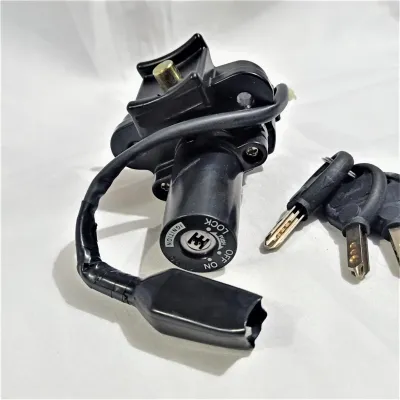
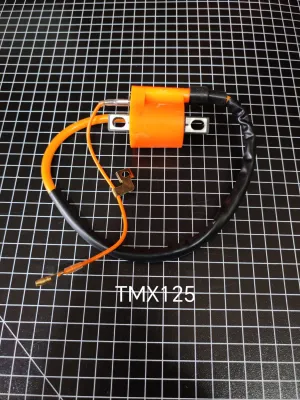
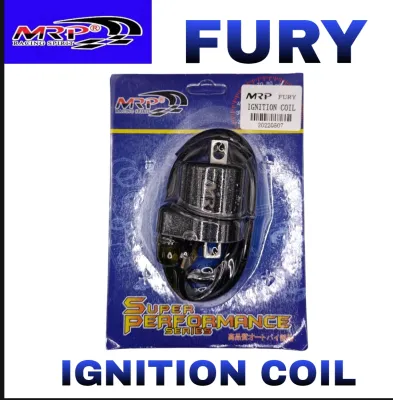
Prices are valid at publication and may change. Please refer to the product page for the latest price.
Physical fitment is another critical area of divergence. A genuine Suzuki ignition coil is designed to align perfectly with the mounting brackets on the Fury 125 frame, requiring no modifications, spacers, or custom wiring adapters. The electrical connectors are molded to match the stock wiring harness precisely, ensuring a secure, weather-resistant connection that resists vibration. Aftermarket coils may feature different mounting hole spacings or terminal sizes, requiring modifications that can introduce points of failure.
Warranty and customer support also differ significantly between these two paths. Purchasing an OEM coil from an authorized Suzuki dealer typically grants you access to official warranty coverage and a clear return policy if the part exhibits manufacturing defects. In contrast, aftermarket coils from independent shops often have limited warranties, meaning the rider bears the replacement cost if the part fails prematurely.
Evaluating Performance, Lifespan, and Reliability
A failing ignition coil on a Suzuki Fury 125 presents several distinct, observable symptoms that can severely disrupt your daily ride. You might experience hard starting, especially during damp mornings or after the motorcycle has been parked in the rain. As the coil’s internal insulation degrades, it struggles to deliver a consistent voltage to the spark plug, leading to engine misfires, a rough or unstable idle, and a noticeable loss of power when accelerating or carrying a heavy load. In severe cases, the engine may stall unexpectedly while idling at traffic lights or operating under high thermal stress.

The lifespan of an ignition coil is heavily influenced by environmental factors and the overall health of the motorcycle’s electrical system. In tropical climates like the Philippines, high temperatures and persistent humidity accelerate the aging of the coil’s housing and rubber boot. Continuous vibration from daily travel on uneven roads can also cause microscopic fractures in the internal copper windings. A failing voltage regulator, weak battery, or corroded ground connections also force the coil to work harder, shortening its life.
To ensure a replacement coil will function reliably without damaging your motorcycle’s electrical components, you must verify its electrical specifications. The primary and secondary winding resistance values must match the tolerances specified in the official Suzuki Fury 125 service manual. You can measure these values using a digital multimeter set to the appropriate resistance scale (ohms). Checking the aftermarket coil’s technical data sheet against these specifications is crucial; incorrect resistance values can overload the CDI unit and cause severe electrical damage.
Price and Value Assessment
When shopping for motorcycle parts in the local market, the upfront cost is often the most immediate factor influencing a rider’s decision. Genuine Suzuki ignition coils command a premium price, reflecting the manufacturer’s quality control, exact fitment guarantees, and distribution costs. While this investment is higher, aftermarket coils are widely available at lower price points in Philippine Pesos (₱).
However, focusing solely on the purchase price can obscure the hidden costs associated with a low-quality or poorly matched ignition coil. A weak spark reduces fuel efficiency and increases spending at the pump. Unburnt fuel can also foul spark plugs prematurely and strain the battery during starting attempts.
Investing in a genuine OEM ignition coil provides superior long-term value and peace of mind, especially for those who rely on their Fury 125 for daily livelihood or long commutes. This minimizes the risk of sudden roadside breakdowns. For older motorcycles used only for short, occasional trips, a reputable aftermarket coil is a sensible compromise if you accept a shorter lifespan.
Decision Framework: Which Option Fits Your Ride?
To determine the best path forward, you should evaluate your motorcycle’s current condition, usage patterns, and your own technical capabilities. An OEM coil is logical if your Suzuki Fury 125 is relatively new, under warranty, or serves as your primary daily transport. In these scenarios, reliability outweighs the savings of an aftermarket part.
Opting for an aftermarket ignition coil can be a highly practical choice under specific conditions. If your bike is older, high-mileage, and used for short errands, an aftermarket coil is highly practical. This fits riders on a strict budget who can independently verify electrical specifications and select established brands with clear technical packaging.
Always diagnose the entire ignition system first. A new coil will not fix issues caused by a damaged wiring harness, failing CDI, or degraded stator. Additionally, avoid unbranded aftermarket coils that lack clear specification labels, as they carry a high risk of premature failure.
Installation Precautions and Safety Checks
Replacing an ignition coil involves working with your motorcycle’s electrical system, requiring strict safety protocols. Before starting, disconnect the negative battery terminal to prevent short circuits. Consult the official Suzuki Fury 125 service manual for wiring routing, terminal connections, and torque values. If you are uncomfortable with electrical work, seek a qualified mechanic.
Before mounting the new coil, inspect surrounding components. Check the spark plug wire for cracks and the rubber boot for tears that allow moisture entry. Clean corrosion from the frame mounting point and terminals using electrical contact cleaner to ensure a solid ground, as a poor ground can quickly ruin a new coil.
Knowing when to stop is crucial. If you discover melted wires, cracked insulation, or signs of overheating near the CDI unit, do not install the new coil. Running the engine with damaged wiring can cause severe electrical shorts or fire. Halt the installation immediately and consult a certified technician.
Frequently Asked Questions (FAQ)
Can I use an ignition coil from another Suzuki motorcycle model on my Fury 125?
While some ignition coils from other Suzuki models may look physically identical and fit onto the mounting bracket of the Fury 125, you should not assume they are electrically compatible. Different motorcycle engines utilize distinct ignition systems with varying primary and secondary resistance requirements. Installing a coil with incorrect resistance values can overload your CDI unit or result in a weak spark that causes poor engine performance. Always consult the official Suzuki parts catalog to verify part numbers, or use a multimeter to confirm that the electrical specifications of the donor coil match the exact requirements of the Fury 125 before attempting installation.
How do I know if my ignition coil is actually the problem?
Before purchasing a replacement ignition coil, it is important to rule out other common electrical and fuel system issues that mimic coil failure. Begin by inspecting the spark plug; a fouled, worn, or improperly gapped plug is often the true culprit behind misfires and hard starting. Next, verify that your battery is fully charged and that the battery terminals are clean and secure. Check the engine kill switch and ignition switch connections for loose wires or corrosion. Finally, use a multimeter to perform resistance tests on the ignition coil’s primary and secondary windings as outlined in the service manual; if the readings fall outside the specified range, the coil is indeed faulty and must be replaced.

Community discussion
Share your experience or ask a question. Comments are reviewed before publication.