
Suzuki Green Coolant is highly suitable for the Philippines’ hot and humid climate, provided it aligns with your vehicle’s specific model year requirements and is maintained at the correct concentration. In a tropical environment where ambient temperatures frequently exceed 35°C, your engine relies heavily on a high-quality coolant to prevent overheating. However, relying solely on the green color of the fluid can be a critical mistake, as modern coolant chemistry is defined by its chemical additive package rather than its visual dye.
To ensure your vehicle remains reliable during grueling daily commutes in heavy traffic, you must look beyond the color. Understanding how the coolant interacts with your radiator, the pressure limits of your system, and the specific demands of tropical driving will help you maintain optimal engine temperatures. Let us examine what makes this coolant effective and how to verify its suitability for your car.
Verifying Suzuki Green Coolant Specs Beyond the Color
Many car owners mistakenly believe that all green coolants are identical and interchangeable. In reality, the green color is simply a visual dye added by manufacturers to aid in leak detection and identification. The true performance of the fluid depends on its underlying chemical formulation, which can fall into categories like Inorganic Additive Technology (IAT), Organic Acid Technology (OAT), or Phosphated Organic Acid Technology (P-OAT).
Products mentioned in this guide
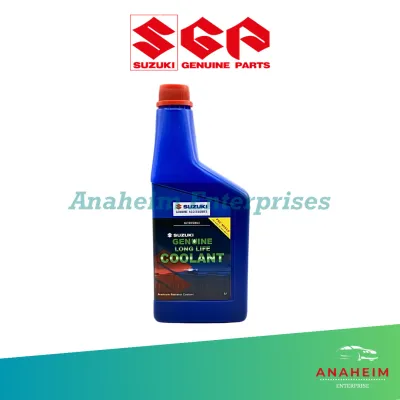
![[1L GREEN] Suzuki Genuine Antifreeze Long Life Coolant - Suzuki Genuine Parts](https://img.lazcdn.com/g/p/dcc8cd5bb6d4b9c5bd6865fe4a6f9d28.jpg_400x400q80.jpg_.webp)
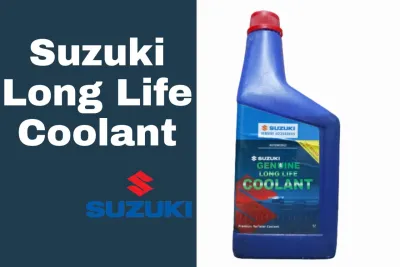
![[4L GREEN] Suzuki Genuine Antifreeze Long Life Coolant - Suzuki Genuine Parts](https://img.lazcdn.com/g/p/c4f89c1d42f0c01dcc524b8028b35716.jpg_400x400q80.jpg_.webp)
Prices are valid at publication and may change. Please refer to the product page for the latest price.
Suzuki vehicles typically require a specific formulation designed to protect aluminum engine components without damaging rubber seals or water pump gaskets. When purchasing Suzuki Green Coolant, you must inspect the product label for explicit OEM (Original Equipment Manufacturer) approvals and Suzuki part number cross-references. Look for specific chemical claims such as “silicate-free” or “phosphate-based,” which are common requirements for Japanese automotive cooling systems.
Another critical factor is deciding between pre-mixed and concentrated coolant formulations. Pre-mixed coolant, usually sold as a 50/50 ratio of coolant to demineralized water, is formulated to be poured directly into your radiator or overflow tank. Adding plain tap water or even distilled water to a pre-mixed product is a common mistake that dilutes the mixture, lowering its boiling point and severely compromising its corrosion inhibitors.
If you purchase a concentrated formula, you must mix it with distilled water according to the manufacturer’s precise instructions to achieve the desired protective ratio. Before making any purchase, always consult your vehicle’s Owner’s Manual. This document contains the exact OEM specification required for your specific Suzuki model and year, ensuring you do not introduce incompatible chemicals into your cooling system.
Thermal Stress: How Philippine Heat and Traffic Affect Cooling
Operating a vehicle in the Philippines presents a unique set of thermal challenges that can quickly overwhelm an inadequate cooling system. High ambient temperatures reduce the temperature delta—the difference in temperature—between the hot coolant flowing through your radiator and the outside air. When this temperature difference is small, the rate of heat dissipation slows down significantly, forcing the system to work much harder to shed heat.

High relative humidity further complicates this thermal exchange. Moist air has a different specific heat capacity than dry air, which can subtly alter how efficiently heat is carried away from the radiator fins. Additionally, the intense tropical heat prompts drivers to run their air conditioning systems continuously at maximum settings, placing a massive mechanical and thermal load on the engine and generating extra heat under the hood.
The situation escalates dramatically during stop-and-go traffic in congested urban centers like Metro Manila or Cebu. When your vehicle is idling or moving at a crawl, there is virtually no natural ram-air flowing through the grille to cool the radiator. The cooling system becomes entirely dependent on the electric radiator fans to pull air through the core, leading to a phenomenon known as “heat soak,” where under-hood temperatures climb rapidly.
Under these severe conditions, if your coolant’s thermal limits are exceeded, localized boiling can occur within the engine block. These localized hot spots can cause steam pockets to form around the cylinder walls and cylinder head. Steam does not transfer heat as effectively as liquid coolant, which can quickly lead to warped cylinder heads, blown head gaskets, and catastrophic engine failure.
Assessing Boiling Point Margins for Tropical Daily Driving
To understand how Suzuki Green Coolant protects your engine, you must look at how boiling points change under pressure. At standard atmospheric pressure, a standard 50/50 mixture of ethylene glycol and water has a base boiling point of approximately 106°C to 108°C. While this is higher than the boiling point of pure water (100°C), it does not provide a sufficient safety margin for modern engines operating in tropical climates.
Fortunately, your car’s cooling system is a sealed, pressurized environment regulated by the radiator cap. As the coolant heats up and expands, pressure builds within the system. This pressure physically prevents the liquid from turning into vapor, significantly elevating the effective boiling point of the fluid. In a properly pressurized system, the boiling point of a 50/50 coolant mixture can rise to 120°C or higher, providing a crucial safety buffer during extreme driving conditions.
You can estimate this boiling point elevation by looking at the pressure rating stamped on your radiator cap, which is typically measured in bar or kilopascals (kPa). For example, a radiator cap rated at 0.9 bar adds about 13 psi of pressure to the system, while a 1.1 bar cap adds approximately 16 psi. Every pound of pressure increases the boiling point of the liquid by about 1.6°C, meaning a higher-rated cap provides a wider thermal safety margin, provided your hoses and gaskets can handle the pressure.
Maintaining the correct 50/50 coolant-to-water ratio is absolutely vital for this system to function correctly. If you use too much water in an attempt to save money, you lower the overall boiling point and reduce the concentration of anti-corrosion additives. Conversely, if you use too much concentrated coolant (such as a 70/30 mix), you might think you are adding protection, but pure ethylene glycol actually transfers heat less efficiently than water, which can cause your engine to run hotter overall.
Essential Hot-Weather Cooling System Inspections
To ensure your cooling system can handle the intense Philippine heat, regular preventative maintenance and inspections are necessary. These simple, low-risk checks can help you identify potential points of failure before they lead to an expensive breakdown on the road.
Visual and Level Checks
- Safety First: Always wait until the engine is completely cold before performing any cooling system inspections to avoid severe burn injuries from pressurized steam or hot liquid.
- Reservoir Levels: Locate the semi-transparent plastic coolant overflow reservoir and check that the fluid level sits between the "Min" and "Max" or "Full" and "Low" markings.
- Fluid Appearance: Observe the condition and appearance of the fluid inside the reservoir. Healthy Suzuki Green Coolant should appear clear, bright green, and completely free of floating debris, rust particles, or cloudiness.
- Hose Integrity: Inspect the upper and lower radiator hoses, as well as the smaller bypass hoses, for any signs of physical wear. Squeeze the hoses gently when the engine is cold; they should feel firm but pliable. If you detect soft spots, swelling, cracking, or a spongy texture, the hoses have been degraded by under-hood heat and must be replaced immediately.
Pressure and Component Verification
- Radiator Cap: The radiator cap is a critical pressure-regulating valve that must be inspected regularly. Examine the rubber seals on the underside of the cap for signs of dry rot, cracking, or deformation, and ensure the spring mechanism moves freely.
- Cooling Fans: Verify that your electric cooling fans are functioning correctly by starting your vehicle, turning the air conditioning to its maximum setting, and observing if the fans behind the radiator engage. They should spin rapidly and smoothly without making grinding or squealing noises.
- Radiator Fins: Inspect the exterior of the radiator core for any accumulation of road debris, dried mud, leaves, or bent cooling fins. Gently clean the radiator fins using a soft brush or a low-pressure garden hose, spraying from the engine side outward. Never use a high-pressure washer, as the intense water pressure will easily bend the delicate aluminum fins and permanently restrict airflow.
Warning Signs of Coolant Breakdown and Replacement Triggers
Over time, the chemical additives in your coolant that prevent rust, scale, and corrosion will break down, even if the vehicle is not driven frequently. Recognizing the early warning signs of coolant degradation allows you to service the system before damage occurs to your water pump, thermostat, or radiator.
Observable Signs of Degradation
- Color Shift: A distinct shift in the color of your coolant is one of the most obvious indicators that it has reached the end of its service life. If the bright green color fades to a dull brown, rust-colored, or murky shade, the rust inhibitors have been depleted, and internal corrosion is actively occurring.
- Contamination: If you notice an oily sheen or dark droplets floating on the surface of the coolant in the reservoir, this is a serious warning sign. It often indicates that engine oil or transmission fluid is leaking into the cooling system, which requires immediate professional diagnosis.
- Sweet Odor: A sweet, pungent, or slightly burnt odor when opening the hood after a drive suggests a slow leak where coolant is vaporizing on hot engine components.
- Unexplained Fluid Loss: A persistent drop in the coolant level within the reservoir, without any visible pools of fluid under the car, should never be ignored. This symptom can point to an internal leak or a faulty radiator cap that is allowing pressurized coolant vapor to escape into the atmosphere during operation.
Operational Warning Signals
- Temperature Spikes: Keep a close eye on your dashboard temperature gauge or warning lights during your daily commute. If the needle begins to creep above its normal mid-point position, especially while idling in heavy traffic or climbing steep inclines, your cooling system is struggling to reject heat.
- Cabin Smells: A sweet smell inside the passenger cabin when the air conditioning or heater is running often points to a leaking heater core under the dashboard.
- White Exhaust Smoke: If you observe thick, white smoke billowing from the exhaust pipe—especially during start-up—it is a strong indication that coolant is entering the combustion chambers, which is a classic symptom of a blown head gasket.
- Flush Necessity: If your coolant exhibits any of these visual or operational warning signs, a simple top-up will not resolve the underlying issue. You must perform a complete cooling system flush and refill the system with fresh, OEM-specified coolant to restore proper thermal protection and safeguard your engine from the tropical heat.
Frequently Asked Questions (FAQ)
Can I mix Suzuki green coolant with other colors or brands?
You should strongly avoid mixing Suzuki green coolant with other colors or brands of coolant. Coolants are formulated with highly specific chemical additive packages—such as silicates, phosphates, and organic acids—that are designed to protect specific metal alloys used in your engine. Mixing different formulations can cause a chemical reaction that neutralizes these protective properties, often leading to the formation of a thick, gelatinous sludge. This sludge can easily clog the narrow passages of your radiator, heater core, and water pump, resulting in severe engine overheating. Always stick to the exact OEM specification listed in your Owner’s Manual, and if you must top up the system in an emergency, use only distilled water until you can perform a proper flush.
Does the radiator cap affect the coolant's boiling point in hot weather?
Yes, the radiator cap plays a vital role in determining the boiling point of your coolant during hot weather. By sealing the cooling system, the cap allows pressure to build up as the fluid expands with heat. This increased pressure physically prevents the coolant from boiling at its normal atmospheric boiling point, raising the threshold by several degrees. If your radiator cap has a worn rubber seal, a weak spring, or is rated for the wrong pressure, it will fail to hold the required pressure. This pressure loss directly lowers the effective boiling point of your coolant, making your vehicle highly susceptible to overheating and boil-over when idling in intense traffic or operating under heavy loads. If you suspect your cap is failing, replace it with an OEM-equivalent part that matches the exact pressure rating specified for your vehicle.

Community discussion
Share your experience or ask a question. Comments are reviewed before publication.