
Selecting the right motorcycle storage is a balance between your daily riding habits, the type of cargo you carry, and your motorcycle’s specific geometry. For riders navigating congested urban streets who need secure, dry storage for a helmet or laptop, a rear-mounted top box is often the most practical solution. If you frequently embark on long-distance tours across provinces where maintaining a low center of gravity and carrying bulky gear are priorities, side-mounted saddlebags offer superior stability. For quick access to daily essentials like toll cards, smartphones, and rain gear without needing to dismount, a compact tank bag provides unmatched convenience.
Identifying Your Riding Style and Cargo Needs
To determine which storage setup fits your motorcycle, start by analyzing your primary riding environment and typical cargo. Urban commuters navigating dense city traffic require streamlined profiles to filter through tight lanes safely, making wide setups less practical. Conversely, weekend leisure riders or long-distance tourers heading out on provincial highways need substantial volume to pack clothing, tools, and emergency supplies. Matching your storage capacity to these distinct scenarios prevents you from carrying unnecessary bulk or running out of space mid-trip.
The physical characteristics of your cargo also dictate the type of luggage you should choose. Rigid, bulky items like a full-face helmet, a stiff office laptop, or fragile groceries require structured, secure compartments that protect them from impacts and environmental elements. On the other hand, soft items like spare clothing, camping gear, or wet-weather suits can easily conform to the flexible shapes of soft bags.
Products mentioned in this guide
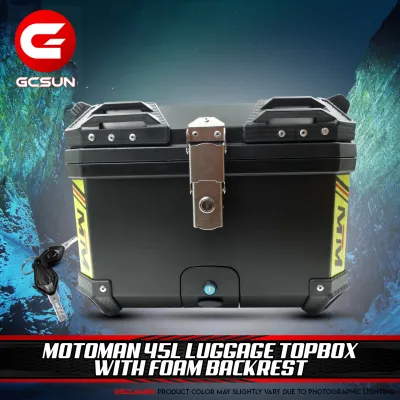
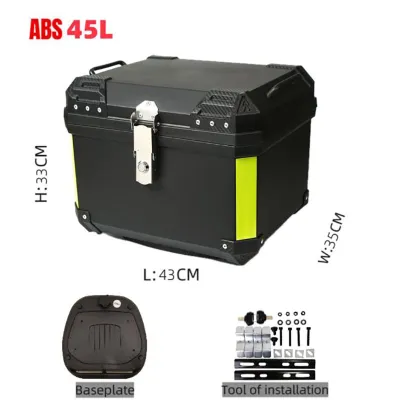
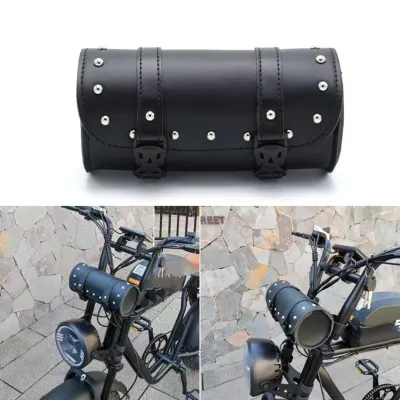
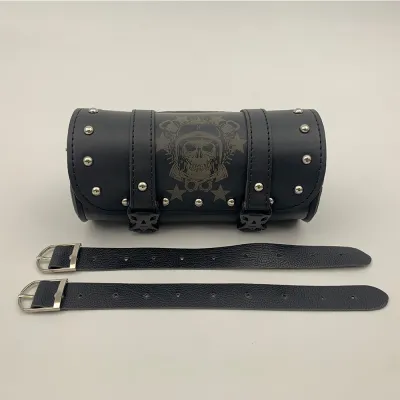
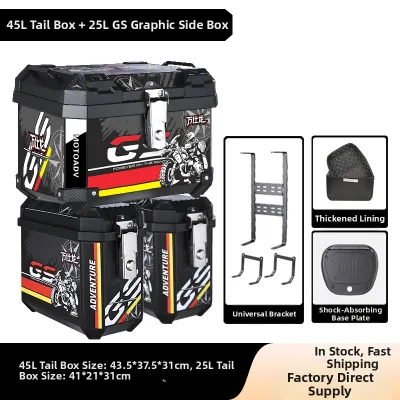
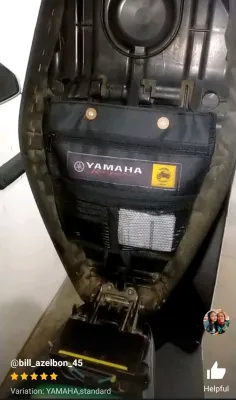
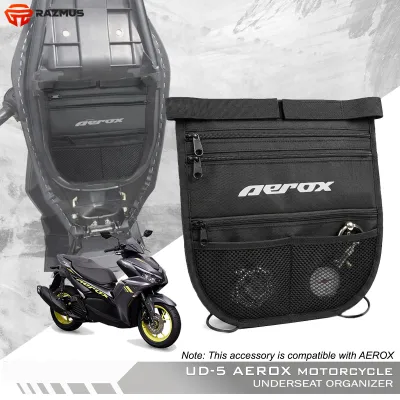
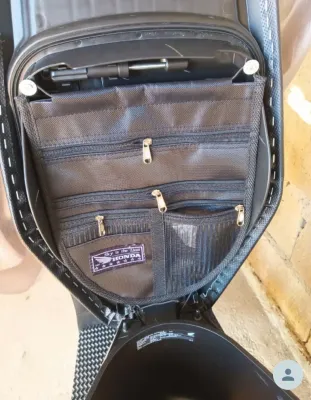
Prices are valid at publication and may change. Please refer to the product page for the latest price.
Additionally, you must evaluate how often you carry a pillion passenger, as storage accessories directly affect passenger comfort and safety. Some rear-mounted options can restrict access to grab rails or crowd the passenger seat, while poorly positioned side bags can block the passenger footpegs entirely. Choosing a configuration that preserves adequate seating space and mounting clearance ensures a comfortable ride for both you and your passenger.
Evaluating Top Boxes for Security and Weather Protection
A top box is highly valued by daily riders for its exceptional security and robust weather protection, especially during sudden tropical downpours. Most hard top boxes feature integrated locking mechanisms that secure the lid to the box and lock the box itself to the mounting plate, allowing you to leave valuables behind with peace of mind. The ability to store a full-face helmet securely out of sight when parked is a major advantage for commuters who do not want to carry their gear into offices or shopping malls.

However, placing a heavy load high and far back on the motorcycle significantly alters its handling characteristics. This rear-mounted weight shifts the center of gravity upward and backward, which can lighten the front wheel, affect steering precision, and increase braking distances. To mitigate these handling changes, riders must adjust their rear suspension preload according to the manufacturer’s guidelines and remain mindful of how wind resistance affects the elevated profile at highway speeds.
When selecting a top box, consider how its mounting bracket interacts with your motorcycle’s existing rear structure. While some top boxes can be fitted with integrated backrest pads that enhance pillion comfort, the mounting plates themselves may require removing or modifying original grab rails. Always verify that the installation does not restrict the passenger’s ability to mount the motorcycle safely or hold onto secure points during the ride.
Assessing Saddlebags for Touring and Balanced Loads
Saddlebags are the traditional choice for long-distance touring because they distribute cargo weight evenly across both sides of the motorcycle. Hard saddlebags, often constructed from aluminum or high-impact plastics, offer excellent weather sealing and lockable security, making them ideal for multi-day trips where gear must remain dry and safe. Soft saddlebags, typically made from heavy-duty ballistic nylon or waterproof tarpaulin, provide valuable flexibility, allowing the bags to expand to accommodate irregular loads or compress when empty.
By mounting cargo low and tight against the rear flanks of the motorcycle, saddlebags keep the overall center of gravity much lower than a top box does. This balanced weight distribution preserves the motorcycle’s natural handling dynamics, making cornering more predictable and reducing the physical strain on the rider during long hours on the road. However, the increased width of the motorcycle requires extra caution when navigating narrow spaces or filtering through stationary traffic.
Before purchasing any side-mounted luggage, you must perform critical clearance checks to ensure safe operation. Saddlebags must have adequate clearance from the hot exhaust pipe to prevent melting or fire hazards, and they must not interfere with the movement of the rear swingarm or dual shocks. Additionally, ensure the bags do not compress against the rear turn signals or block their visibility to other motorists from the side and rear.
Considering Tank Bags for Quick Access and Daily Essentials
Tank bags sit directly in front of the rider, offering unparalleled convenience for accessing small, frequently used items without having to dismount. They are highly compatible with various mounting systems, which must be chosen based on your fuel tank’s material. Magnetic tank bags offer rapid mounting and removal on traditional steel tanks, while non-magnetic tanks made of aluminum, plastic, or covered by synthetic shrouds require strap-on systems or proprietary tank-ring mounts that click directly onto the fuel filler cap.
While highly convenient, tank bags have strict capacity limits to ensure they do not compromise rider safety or ergonomics. A bag that is too tall or wide can obstruct your view of the instrument panel, interfere with your chest position when tucking in, or physically block the handlebars from reaching full steering lock during tight maneuvers. It is vital to test the handlebar clearance at both extreme left and right steering limits before riding with a newly mounted tank bag.
Because tank bags are positioned in a highly visible and accessible area, they are vulnerable to quick opportunistic theft when the motorcycle is left unattended. Most tank bags feature quick-release mechanisms, allowing you to easily detach the bag and carry it with you using an integrated shoulder strap or handle. For brief stops, some ring-mount systems offer small cable locks, but taking the bag with you remains the most reliable way to secure your personal belongings.
Comparing Core Features Across Storage Types
To help you decide which storage option aligns best with your riding requirements, the table below compares the key characteristics of each accessory type. While these general traits apply to most products on the market, you must always verify exact volume capacities, load limits, and budget requirements in ₱ by checking the specific manufacturer specifications for your motorcycle model.
| Feature | Top Box | Saddlebags | Tank Bag |
|---|---|---|---|
| Mounting Location | Rear luggage rack / tail section | Sides of the rear fender / subframe | Atop the fuel tank |
| Weight Distribution | High and rearward; can affect front-end feel | Low and balanced; preserves handling stability | Centered; minimal impact on balance |
| Security Level | High (rigid locking mechanisms) | Moderate to High (hard cases lock; soft bags require locks) | Low (easily detached; best carried with you) |
| Weather Resistance | High (typically sealed hard shells) | Variable (hard cases are waterproof; soft bags need covers) | Moderate (often requires an external rain cover) |
| Ideal Rider Profile | Urban commuters and daily city riders | Long-distance tourers and adventure riders | Day trippers and riders needing quick-access storage |
Verifying Fitment, Mounting, and Safety Limits
Before purchasing any motorcycle storage accessory, you must verify that the product is fully compatible with your specific vehicle model, year, and structural limits. Never infer compatibility from a category term alone; instead, check the mounting position, dimensions, and interface requirements in the product documentation. Refer to your motorcycle owner’s manual to find the maximum weight limits for the rear rack and the overall gross vehicle weight rating. Exceeding these limits can stress the subframe, cause structural failure, or severely compromise the vehicle’s braking and suspension performance on uneven road surfaces.
During installation, carefully inspect the mounting hardware to ensure it does not interfere with any moving parts or safety components. The loaded storage units must not obstruct the visibility of the taillight, rear turn signals, or the license plate from any angle, as blocked lighting poses a severe safety hazard and can lead to traffic violations. Ensure all brackets are tightened to the manufacturer’s specified torque values and check them regularly for looseness caused by engine vibration.
If your chosen storage solution requires complex modifications, such as installing heavy-duty custom support brackets, relocating turn signals, or tapping into the motorcycle’s electrical system for integrated brake lights, stop the DIY process. In these situations, consult a qualified professional mechanic to perform the installation. Professional installation ensures that structural modifications are secure and that your motorcycle’s electrical system remains safe from short circuits or warranty-voiding alterations.
Frequently Asked Questions (FAQ)
Can I use a top box and saddlebags at the same time?
Yes, combining a top box and saddlebags is a common setup for long-distance touring, but you must carefully calculate the combined weight of the luggage and your cargo. Ensure the total weight of the rider, passenger, mounting racks, empty luggage, and cargo does not exceed the motorcycle’s maximum load capacity specified in the owner’s manual. When packing, place the heaviest items low down in the saddlebags to keep the center of gravity as low as possible, and distribute the weight evenly between the left and right sides to prevent handling imbalances.
Do magnetic tank bags work on all motorcycles?
No, magnetic tank bags only work on motorcycles equipped with steel fuel tanks, as the magnets require a ferromagnetic surface to adhere securely. If your motorcycle has a fuel tank made of aluminum, plastic, carbon fiber, or is covered by plastic fairing panels, a magnetic bag will not stick. For these motorcycles, you must use alternative mounting systems, such as strap-on tank bags that secure around the steering head and frame, or tank-ring bags that lock onto a dedicated bracket bolted to the fuel filler cap.

Community discussion
Share your experience or ask a question. Comments are reviewed before publication.