
Selecting a top box with bracket set for your motorcycle in the Philippines requires balancing storage needs with structural safety. With unpredictable tropical weather, heavy downpours, and varied road conditions, a secure luggage system is essential for daily commutes and weekend tours. Rather than searching for a universal solution, you must identify a set that matches your specific motorcycle model, respects your bike’s structural weight limits, and provides adequate weather protection.
A complete setup consists of two main components: the top box itself and the mounting bracket. While the top box holds your gear, the bracket serves as the critical link transferring that weight to your motorcycle’s frame. Ensuring these two components are fully compatible with each other and your vehicle is the first step toward a safe, stable ride.
Understanding Top Box and Bracket Compatibility
Before purchasing any luggage set, you must verify the structural limits of your motorcycle’s rear section. Every motorcycle manufacturer specifies a maximum load capacity for the rear rack or grab rail assembly. Exceeding this limit can compromise your bike’s handling, stress the subframe, or even cause structural failure while riding. You can find these limits in your motorcycle’s owner’s manual, and they must serve as the absolute ceiling for the combined weight of your bracket, top box, and cargo.
Products mentioned in this guide
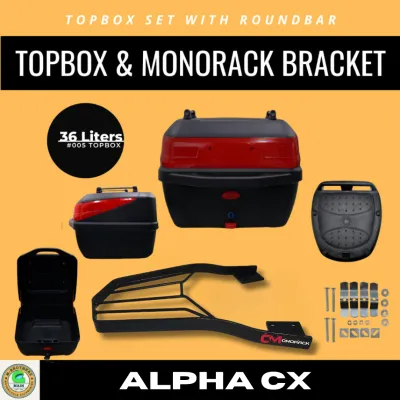
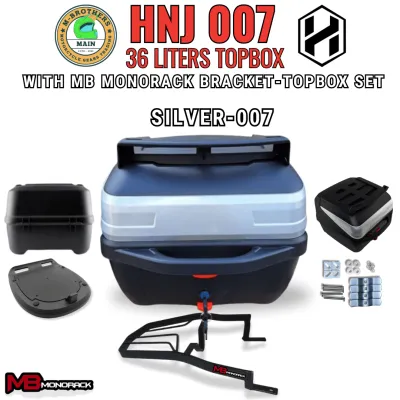
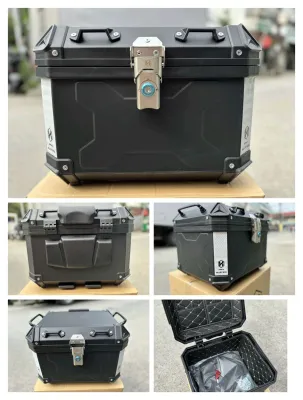
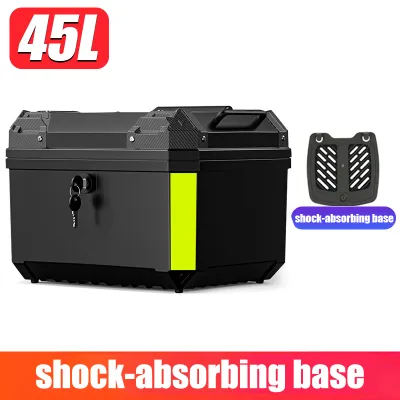
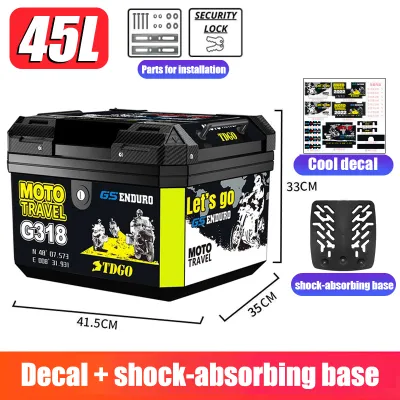
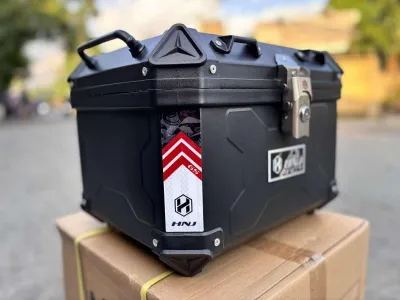
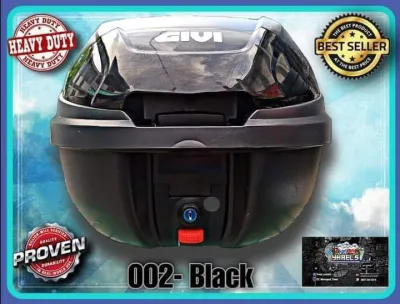
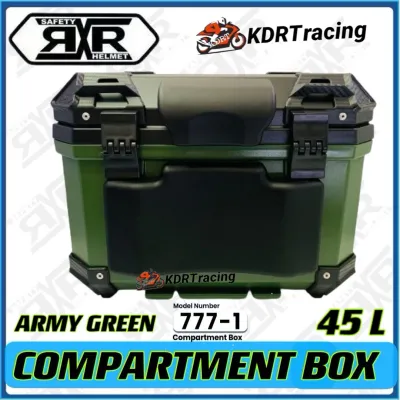
Prices are valid at publication and may change. Please refer to the product page for the latest price.
Identifying your motorcycle’s existing mounting points is the next crucial step. Some motorcycles come equipped with factory-installed rear racks that feature pre-drilled holes designed to accept mounting plates. Other models only have standard grab rails, which must be removed or modified to accommodate a dedicated aftermarket bracket. You should inspect these mounting points closely to determine whether your bike requires a model-specific bracket or if it can accept a more generalized mounting solution.
The structural differences between universal fitting kits and model-specific mounting brackets are significant. Universal brackets are designed with adjustable arms and sliding plates to fit a wide range of motorcycle models. While highly adaptable, they often require careful alignment and may not distribute weight as efficiently as a model-specific bracket. In contrast, model-specific brackets are engineered to bolt directly into your motorcycle’s existing frame or subframe mounts without modification. This direct connection ensures optimal load distribution and reduces the risk of the bracket shifting under vibration.
When evaluating compatibility, never assume a bracket will fit your bike simply because it is categorized under a general motorcycle type, such as “underbone” or “scooter.” Subtle design changes between model years can alter mounting hole spacing, body panel clearances, or grab rail configurations. Always cross-reference the bracket manufacturer’s compatibility list with your exact model year and trim level to prevent purchasing an incompatible set.
Key Selection Criteria for Top Box Sets
When comparing top box sets, capacity and physical dimensions are primary considerations that directly affect your daily riding experience. You should match the volume of the box, typically measured in liters, with your specific storage requirements. For instance, if you need to store a full-face helmet, you must verify that the internal dimensions of the box—not just the total volume—can accommodate the height and width of your specific helmet model.

While larger boxes offer more storage space, they also present a larger surface area to crosswinds and can disrupt your motorcycle’s aerodynamics. A box that is too wide or sits too high can create drag, affect high-speed stability, and alter the center of gravity of your motorcycle. For daily commuting through dense city traffic, a compact, streamlined box is often more practical, whereas long-distance touring may justify a larger, more robust container.
Material and build quality are critical for enduring the harsh tropical climate of the Philippines, where intense sunlight and sudden torrential rains are common. Top boxes are generally constructed from high-impact plastics, such as polypropylene, or heavy-duty aluminum. Plastic boxes are lightweight, flexible, and highly resistant to minor impacts, but they must feature UV-stabilized coatings to prevent fading and cracking from prolonged sun exposure. Aluminum boxes offer exceptional structural rigidity and a rugged aesthetic, but they are typically heavier and require a more robust bracket system.
Weather sealing is another vital factor to evaluate based on manufacturer specifications. Look for boxes equipped with continuous rubber gaskets along the lid closure to prevent water ingress during heavy downpours. The latching mechanism should pull the lid down tightly against this seal to maintain a waterproof barrier. Additionally, in coastal areas, ensure that all metal hinges, rivets, and mounting hardware are made from rust-resistant materials like stainless steel to prevent corrosion from salt air.
Security features should match your typical parking environments and theft prevention needs. High-quality locking mechanisms secure the box to the mounting plate and lock the lid closed. Some systems use a single key for both functions, which adds convenience. You should inspect the lock cylinder material and key design; robust brass or steel cylinders are more resistant to tampering than simple plastic-shrouded locks.
Bracket Types and Mounting Requirements
The bracket is the foundation of your motorcycle’s luggage system, and choosing the right type is essential for safety and passenger comfort. Many brackets feature integrated side arms that extend forward along the rear subframe. These side arms provide crucial structural reinforcement, distributing the weight of the top box across multiple mounting points on the motorcycle’s frame rather than concentrating it on a single rear point. If you frequently ride with a passenger, look for brackets designed to accommodate a backrest pad on the top box without crowding the pillion seat area.
You must also choose between quick-release mounting systems and permanently bolted base plates. Quick-release systems allow you to detach the top box from the bracket in seconds using a key, leaving only a low-profile plate on the bike. This is highly convenient if you only use the top box occasionally. Bolted base plates, on the other hand, secure the box more permanently to the bracket, offering maximum resistance to vibration and theft, though they require tools to remove.
Proper load distribution is a fundamental safety principle when installing a top box and bracket. The weight of the loaded box should sit as close to the rear axle as possible, rather than hanging far behind it. Positioning the load too far rearward can lighten the front wheel, severely affecting steering response and braking performance.
Because installing a bracket involves modifying or attaching components directly to your motorcycle’s frame, safety must be your top priority. Always consult your vehicle’s original documentation and follow the bracket manufacturer’s exact torque and alignment specifications during installation. If the installation requires electrical work for integrated brake lights, or if you are unsure about handling structural bolts, you should have the system installed by a qualified professional to ensure it remains secure under all riding conditions.
Pre-Purchase Fitment and Sourcing Checklist
To ensure a hassle-free installation and safe operation, you should follow a systematic verification process before finalizing your purchase. First, verify the exact make, model, and year of your motorcycle. Do not rely on marketing names alone; check your vehicle registration documents for the precise model code. Compare this code against the bracket manufacturer’s official fitment guide to confirm compatibility.
Next, perform a physical clearance check on your motorcycle. Visualize where the bracket and top box will sit and check for potential interference with other components. Ensure the bracket does not block your rear turn signals, obscure the license plate, or come into contact with the exhaust pipe, especially when the rear suspension is fully compressed. There should also be sufficient clearance for the passenger grab handles and comfortable seating space for a pillion rider.
Sourcing your top box and bracket set from authorized dealers, official brand stores, or reputable online marketplaces is crucial for ensuring product authenticity. Counterfeit brackets made from inferior metals can crack or snap under load, posing a severe safety hazard on the road. Genuine products come with accurate load ratings, high-quality mounting hardware, and valid manufacturer warranties. When shopping on an online marketplace, look for verified seller badges, official brand flags, and detailed customer reviews that confirm the product’s fitment and durability. Expect to invest anywhere from ₱1,500 for basic commuter sets to over ₱10,000 for heavy-duty aluminum systems, depending on the materials and specifications required.
Frequently Asked Questions (FAQ)
Can I install a top box bracket on a motorcycle without a rear rack?
Yes, you can install a top box bracket on a motorcycle that does not have a factory-installed rear rack, but it requires a model-specific bracket designed to replace or integrate with your existing grab rails. These brackets bolt directly into the motorcycle’s subframe mounting points, which are engineered to handle structural loads. You must never attempt to clamp or weld a universal bracket onto a bare tail section or plastic bodywork without utilizing these factory-designated mounting points. If your motorcycle lacks clear mounting points or if the installation requires modifying the body panels, you should seek a professional assessment from a qualified mechanic to ensure the structural integrity of your subframe is not compromised.
How do I prevent water from leaking into the top box during heavy rain?
To prevent water leakage during heavy tropical downpours, you should regularly inspect the rubber gasket or weather seal running along the rim of the top box lid. Over time, exposure to heat and UV rays can cause the rubber to dry out, crack, or lose its elasticity. Clean the seal periodically with mild soapy water and apply a thin coat of silicone lubricant to keep it pliable. Additionally, ensure that the locking latch is adjusted correctly to apply even downward pressure across the entire seal when closed. Avoid overpacking your top box, as forcing the lid shut against bulky cargo can warp the plastic or aluminum, creating gaps in the seal that allow rainwater to seep inside.
What is the safe weight limit for a fully loaded top box?
To determine the safe weight limit for your loaded top box, you must compare the maximum load capacity specified by three different sources: your motorcycle’s owner’s manual (for the rear rack or subframe), the bracket manufacturer’s limit, and the top box manufacturer’s limit. The safe weight limit is always the lowest value among these three specifications. For example, if your top box can hold up to 10 kilograms but your bracket is only rated for 5 kilograms, your maximum safe cargo weight—including the weight of the top box itself—is 5 kilograms. Exceeding the lowest rated limit can lead to bracket failure, frame damage, or dangerous handling instability while riding.

Community discussion
Share your experience or ask a question. Comments are reviewed before publication.