
Upgrading your car’s interior often starts at the primary touchpoints. For manual transmission enthusiasts, the gear shifter is the ultimate connection between driver and machine. Selecting the ideal shifting knob for manual cars is not just about visual aesthetics; it fundamentally alters the mechanical feedback, throw momentum, and overall tactile experience of every gear change. In the Philippines, this decision requires balancing personal driving style with the practical realities of a tropical, high-humidity climate.
Key Factors When Choosing a Shifting Knob for Manual Cars
To find the perfect aftermarket shift knob, you must evaluate three core pillars: weight, shape, and material. Each of these elements directly affects how much effort is required to engage a gear and how the transmission’s internal movements translate to your hand. A well-chosen knob can make a loose, vague shifter feel precise and mechanical, while a poor choice can introduce hand strain or make gear changes feel clunky.
Weight plays a critical role in the physics of shifting. A heavier knob carries more kinetic energy when in motion, helping to slide the shifter linkage smoothly into the gate. Conversely, a lighter knob provides raw, unfiltered feedback, allowing you to feel every click, notch, and synchro engagement within the gearbox. Finding the right balance depends on whether you prefer effortless, insulated gear changes or a highly tactile, connected driving experience.
Products mentioned in this guide
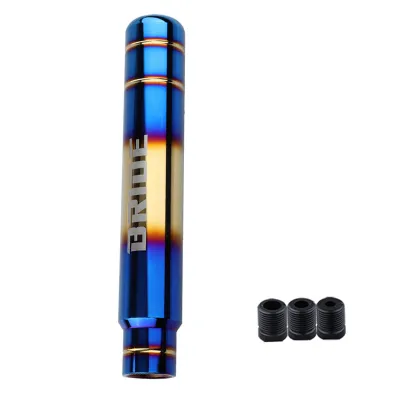
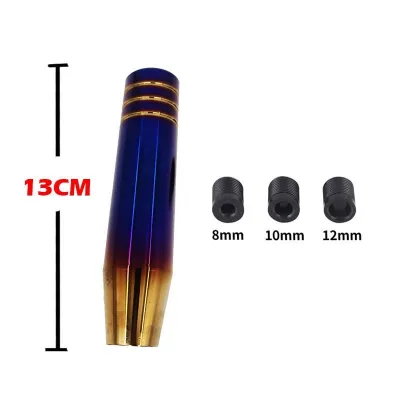

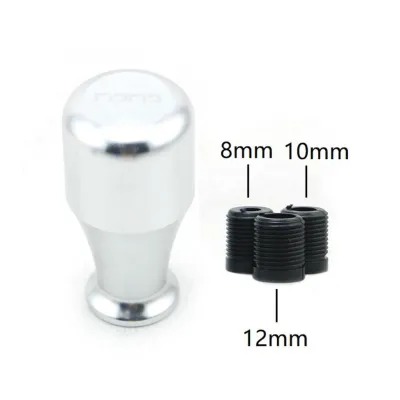
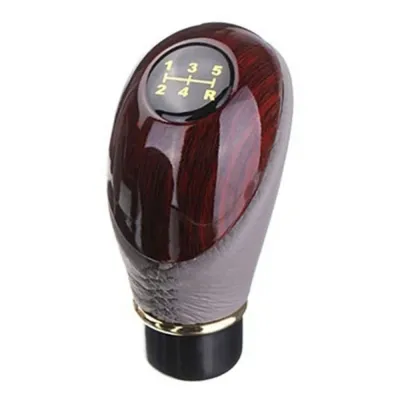
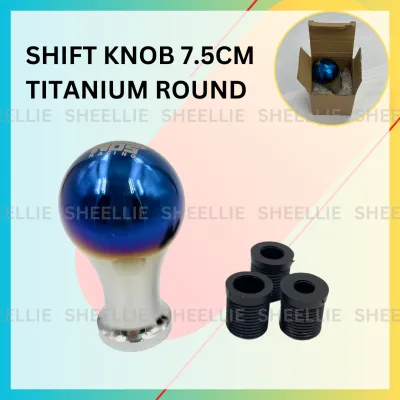


Prices are valid at publication and may change. Please refer to the product page for the latest price.
The shape of the knob dictates how you grip the shifter. Drivers who prefer a “palm-on-top” style usually gravitate toward spherical or teardrop shapes, which distribute pressure evenly across the palm. Those who use a “pistol-grip” or side-hand technique often find cylindrical or anatomically contoured shapes more comfortable for rapid gear changes. Choosing a shape that matches your natural hand position reduces ergonomic strain during long drives.
In the Philippines, the tropical climate is a massive factor that many drivers overlook until it is too late. High ambient temperatures and intense sunlight can turn solid metal shift knobs into searing hot hazards when your car is parked outdoors. Furthermore, high humidity levels can cause sweaty palms, making smooth, non-slip surfaces or breathable materials essential for maintaining a secure grip during spirited driving.
Top Shift Knob Styles and Materials to Consider
Choosing the right style involves aligning your driving habits with the physical properties of different aftermarket options. Let us break down the primary categories available to Filipino motorists, highlighting how their designs translate to real-world performance on the road.

Weighted Shift Knobs for Smoother Throws
Weighted shift knobs are engineered specifically to improve the tactile feel of gear changes by utilizing the physical laws of inertia. By adding mass to the very top of the shifter assembly, these knobs act as a counterweight. When you initiate a shift, the momentum of the heavier knob helps pull the shift linkage through the gates, reducing the physical effort required from your arm and smoothing out any notchiness in the transmission.
While a heavier knob can make your shift pattern feel incredibly smooth, moderation is key. Selecting an excessively heavy knob—such as those weighing over 500 grams—can place continuous, unintended stress on your transmission’s internal components. Over time, this constant resting weight can wear down the delicate brass synchronizer rings and shift forks, leading to premature gear grind or costly transmission rebuilds.
For a balanced experience, look for knobs weighing between 300 and 450 grams. High-quality weighted knobs are typically machined from solid stainless steel or brass, ensuring a dense, compact form factor that distributes weight evenly without requiring an overly bulky shape.
Ergonomic and Contoured Knobs for Daily Driving
For daily commuters navigating the heavy, stop-and-go traffic of Metro Manila or Cebu, comfort and ergonomics are paramount. Contoured and anatomically shaped shift knobs are designed to mimic the natural curvature of a closed human hand, significantly reducing wrist strain and finger fatigue during long hours behind the wheel.
Teardrop and spherical shapes remain the gold standard for versatile daily use. These shapes allow you to seamlessly transition between different grip styles depending on whether you are gently cruising or actively working through the gears on a winding mountain road.
Material selection is equally vital for daily comfort in humid conditions. High-grade copolymer resins, such as Delrin (polyoxymethylene), are highly recommended because they do not absorb heat or cold like metals do. Additionally, micro-textured resins or Alcantara-wrapped finishes provide excellent breathability and slip resistance, ensuring your hand remains securely planted even when humidity levels soar.
Classic and Retro Designs for Interior Upgrades
If your goal is to elevate your cabin’s visual appeal or match a vintage aesthetic, classic designs utilizing natural materials are an excellent choice. Polished wood grain, hand-stitched genuine leather, and minimalist brushed metals offer a timeless look that modern synthetic materials simply cannot replicate.
However, choosing natural materials in a tropical climate introduces unique maintenance responsibilities. High relative humidity can cause genuine leather to absorb moisture, making it susceptible to mold, mildew, and unpleasant odors if the vehicle is left idle. Similarly, unsealed or poorly lacquered wood can swell, warp, or crack when exposed to extreme temperature fluctuations inside a parked car.
To preserve these classic materials, regular care is non-negotiable. Applying a high-quality leather conditioner or specialized wood sealant every few months will protect the surface from UV damage and moisture absorption, keeping your interior looking pristine for years to come.
Crucial Fitment Checks Before You Buy
Before purchasing any aftermarket shift knob, you must perform a series of precise fitment checks to avoid the frustration of buying an incompatible product. Unlike universal accessories, a shift knob must interface perfectly with your vehicle’s shift lever to ensure safe and reliable operation. Always verify your vehicle’s specific model, year, interface style, dimensions, mounting position, and safety impact from the official product and vehicle documentation before making a purchase.
First, determine the exact thread pitch and diameter of your factory shift lever. Most manual cars use threaded shift rods, but the dimensions vary widely by manufacturer. For example, many Toyota and Subaru models use an M12x1.25 thread, while Hondas typically feature an M10x1.5 thread, and Nissan or Mitsubishi vehicles often use M10x1.25. Always consult your vehicle’s factory service manual or use a thread gauge to verify your specific dimensions before ordering.
Second, understand the difference between vehicle-specific threaded knobs and universal knobs. Vehicle-specific knobs are machined with internal threads that match your car’s shift rod perfectly, providing a secure, metal-on-metal connection. Universal knobs, on the other hand, feature a large unthreaded opening and rely on plastic or rubber set-screw adapters to clamp onto the shaft.
While universal knobs offer broad compatibility, they come with notable trade-offs. The small set-screws can easily loosen over time due to engine vibrations and shifting forces, causing the knob to wobble or rotate mid-shift. Furthermore, over-tightening these screws can easily strip the delicate threads on your original metal shift rod, leading to permanent damage.
Finally, check for physical clearance and special mechanical features, such as a reverse lockout collar. Many modern manual transmissions require you to pull up on a ring below the shift knob to engage reverse. If your vehicle has this feature, your aftermarket knob must have a specific bottom recess to accommodate the collar when it is raised. Additionally, ensure the overall height and diameter of the new knob do not hit the center console trim or interfere with your armrest.
Installation Tips and Safety Boundaries
Installing an aftermarket shift knob is a relatively straightforward process, but it must be executed with care to protect your vehicle’s mechanical integrity and ensure your safety on the road. A loose or poorly installed shift knob can detach during a critical gear change, leading to a sudden loss of vehicle control. For all interior modifications, disassembly, or installation work, always prioritize original-vehicle instructions and consult a qualified professional if you are unsure of your mechanical capability.
Before starting, consult your vehicle’s manufacturer instructions and service manual for specific disassembly guidelines. To remove your original shift knob, wrap the base of the knob or the shift lever with protective painter’s tape or use a soft-jaw wrench to prevent scratching the factory finish. Gently unscrew the knob counterclockwise; if it feels seized, do not use excessive force or heavy pipe wrenches, as this can bend the shift lever or damage the sensitive internal selector linkages inside the transmission.
Once the old knob is removed, clean the threads on the shift rod thoroughly to remove any old adhesive, dirt, or grease. When installing the new threaded knob, spin it clockwise by hand. It should thread on smoothly without resistance; if you encounter cross-threading, stop immediately, back the knob out, and realign it.
To prevent the knob from gradually backing off due to road vibrations, apply a small drop of mild, removable threadlocker (such as blue Loctite) to the threads before the final tightening. Avoid using permanent red threadlocker, which requires extreme heat to remove and can ruin your shifter assembly if you ever need to disassemble it in the future. Tighten the knob firmly by hand to the manufacturer’s recommended torque, ensuring it is perfectly aligned without over-stressing the threads.
Where to Buy Authentic Shift Knobs in the Philippines
Finding high-quality, authentic shift knobs in the Philippines requires shopping through trusted and verified channels. Because the market is flooded with low-cost imitations, sourcing your parts from reputable sellers ensures you receive a product made from durable, automotive-grade materials.
To guarantee authenticity, prioritize purchasing from official brand distributors or specialized local tuning and auto parts shops. Established automotive hubs in major cities—such as the renowned auto parts districts in Banawe, Quezon City, or specialized performance shops in Metro Manila, Cebu, and Davao—frequently stock genuine international brands and high-quality local fabrications.
If you prefer shopping online, stick to official brand flagship stores or highly rated, verified sellers on major online marketplaces. When browsing digital storefronts, look for explicit signs of authenticity, such as holographic security stickers on the packaging, verified customer reviews with photos of the physical product, and comprehensive warranty offerings.
Be highly suspicious of unusually low-priced items. A genuine, high-quality shift knob requires precise CNC machining, premium materials, and rigorous safety testing, which cannot be replicated at rock-bottom prices. Cheap counterfeits often use brittle recycled plastics or low-grade alloys that can snap under pressure or strip your shift lever’s threads, posing a serious safety risk while driving.
Frequently Asked Questions (FAQ)
Will a heavier shift knob damage my manual transmission?
A moderately weighted shift knob (between 300 and 450 grams) is completely safe for daily use and will not damage your transmission. However, using an excessively heavy knob (over 500 grams) or habitually resting your hand on the shifter while driving can apply constant pressure to the shift forks. This continuous static load pushes the shift forks against the spinning synchronizer sleeves inside the gearbox, accelerating wear on these delicate brass components and eventually causing gear engagement issues. To protect your transmission, choose a moderate weight and avoid resting your hand on the shifter when you are not actively changing gears.
Do I need an adapter to install an aftermarket shift knob?
You will only need an adapter if the internal thread size and pitch of the aftermarket shift knob do not match the thread dimensions of your car’s factory shift lever. Many premium aftermarket manufacturers sell vehicle-specific knobs that thread directly onto your factory rod without any modification. If you must use an adapter, highly prefer solid brass or aluminum threaded adapters over cheap plastic slip-on collars. Threaded metal adapters provide a robust, stable connection that resists stripping and prevents the knob from wobbling or backing off over time.
How do I clean and maintain a leather or wood shift knob in a humid climate?
Maintaining natural materials in the humid Philippine climate requires regular, gentle cleaning to prevent mold growth and material degradation. Always check the applied cleaner’s product label and the shift knob manufacturer’s care instructions before applying any treatment. For leather shift knobs, wipe the surface weekly with a damp microfiber cloth to remove sweat and hand oils, then apply a dedicated leather conditioner every two to three months to keep the leather supple and prevent cracking. For wood shift knobs, use a soft cloth and a light application of specialized wood polish to protect the lacquer finish. Crucially, avoid using alcohol-based hand sanitizers immediately before driving, as the harsh alcohol content can rapidly strip away protective clear coats, dry out leather, and dissolve wood finishes.

Community discussion
Share your experience or ask a question. Comments are reviewed before publication.