
Upgrading your Toyota Fortuner’s interior with a new shift knob is a practical way to enhance your daily driving experience, especially when navigating long highway stretches or dense city traffic. Because the shift knob is one of the primary touchpoints in your vehicle, choosing the right option requires balancing personal style with strict mechanical compatibility. In the tropical climate of the Philippines, where cabin temperatures can soar under direct sunlight, material selection becomes just as critical as thread pitch. To find the best shift knob for your Fortuner, you must verify your specific model year, transmission type, and the physical dimensions of the shift lever before making a purchase.
By focusing on precise fitment and durable materials, you can avoid common aftermarket pitfalls such as loose threads, uncomfortable surface temperatures, or obstructed gear shifts. This guide provides a comprehensive framework to help you evaluate fitment requirements, compare materials, and safely install a new shift knob that aligns with your driving preferences and vehicle specifications.
Understanding Fortuner Shift Knob Compatibility
Before purchasing any aftermarket shift knob, you must verify the exact mechanical interface of your Toyota Fortuner. Toyota vehicles typically utilize threaded shift shafts, but the thread pitch and diameter differ significantly between manual and automatic transmissions. For most generations of the Fortuner, automatic transmission models generally use an M8 x 1.25 thread pitch, while manual transmission models typically require an M12 x 1.25 thread pitch. However, because specifications can vary by model year and trim level, you should always verify these dimensions by checking your owner’s manual, consulting an authorized dealership, or using a thread pitch gauge on the original shaft before finalizing your selection.
Products mentioned in this guide
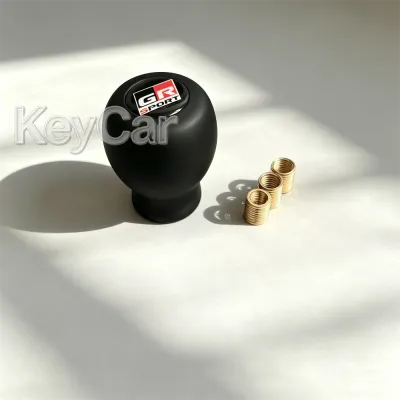
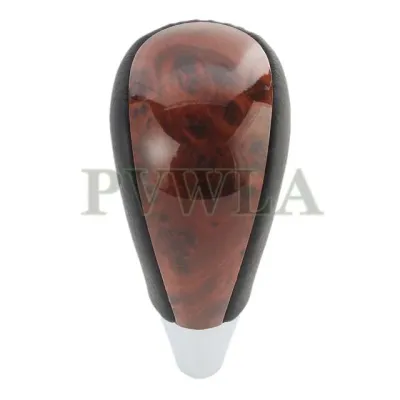
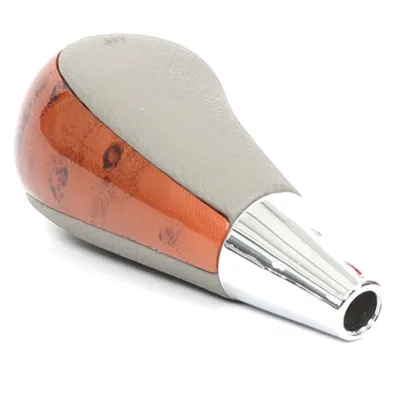
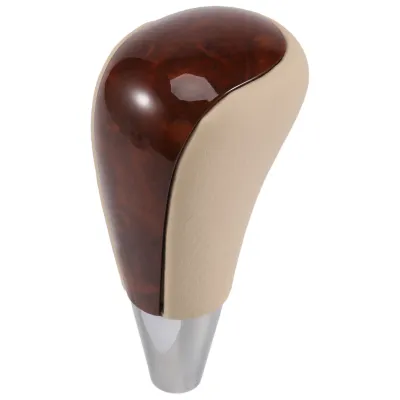
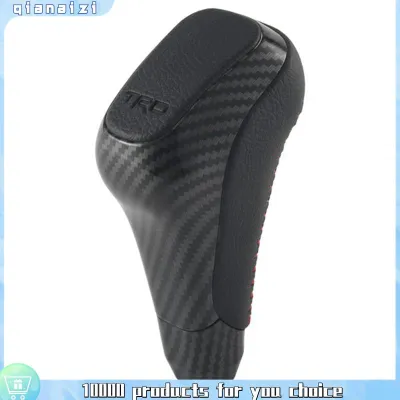
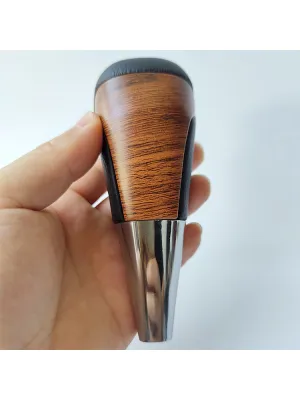
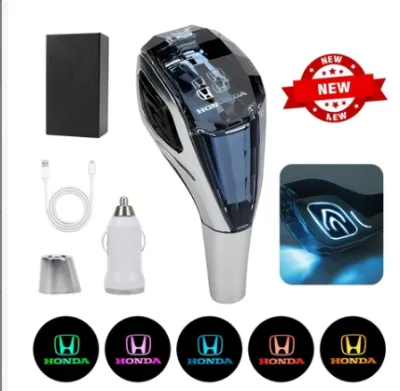
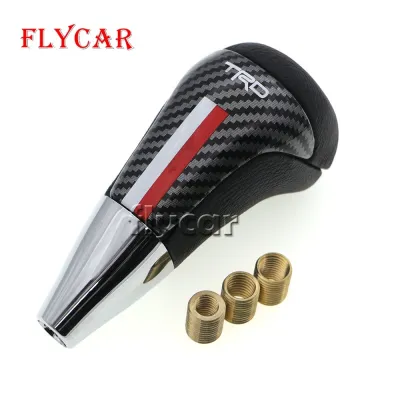
Prices are valid at publication and may change. Please refer to the product page for the latest price.
In addition to thread dimensions, the physical design of your transmission interface dictates which shift knobs will function safely. Many automatic Fortuner models feature a gated shifter design, which allows the driver to change gears along a designated path without pressing a release button on the knob itself. For these gated systems, a simple threaded knob without moving parts is highly compatible. However, if your specific variant features a straight-line shifter with a push-button shift-lock release, you must select a specialized knob that incorporates a functioning mechanical button to ensure you can safely shift out of Park and transition between gears.
Finally, consider whether your original shift assembly contains integrated electronic components. While most standard Fortuner shift knobs are purely mechanical, some customized or high-spec variants may feature integrated shift indicators, overdrive buttons, or ambient lighting. If you choose an aftermarket knob with electronic features, you must ensure it comes with a compatible wiring harness that matches your vehicle’s electrical connectors. Any electrical modifications carry safety risks; always cross-reference the product instructions with your vehicle’s wiring diagram, and consult a qualified automotive technician if you are unsure how to safely route or connect the wiring.
Evaluating Materials and Ergonomics for Daily Driving
The climate in the Philippines presents unique challenges for automotive interior materials. When your vehicle is parked outdoors, cabin temperatures can rise rapidly, causing certain materials to absorb and retain heat. Solid metal shift knobs, such as those made from polished aluminum or stainless steel, can become extremely hot to the touch, making them uncomfortable or even painful to use during midday drives. Conversely, materials like high-quality leather, treated wood, and specialized resin offer excellent thermal resistance, remaining comfortable to the touch even after hours of sun exposure.

When comparing materials, balance aesthetic appeal with long-term durability and grip. Leather is a popular choice because it provides a soft, slip-resistant grip that matches the premium feel of the Fortuner’s cabin. However, leather requires regular maintenance to prevent it from drying out, cracking, or absorbing hand oils and sweat. Resin and high-durability plastics are highly resistant to wear and environmental moisture, making them incredibly low-maintenance, though they may feel less tactile. Wood-grain finishes offer a classic, sophisticated look that complements traditional interior trims, but they must be treated with a UV-resistant clear coat to prevent fading and cracking over time.
Ergonomics should also guide your decision, especially if you frequently face heavy traffic. The shape of the shift knob affects how much leverage you have and how much strain is placed on your wrist. A classic spherical or ball-shaped knob fits naturally in the palm of your hand, allowing for comfortable, multi-angle shifting. Cylindrical or “pistol grip” designs provide a more structured hand placement, which some drivers prefer for precise manual gear changes. Ensure the size of the knob is proportionate to your hand; an oversized knob can cause hand fatigue, while an undersized knob may feel insecure during quick shifts.
Matching Shift Knob Styles to Your Interior
To maintain a cohesive and professional look inside your Toyota Fortuner, select a shift knob style that complements the existing cabin design. The Fortuner’s interior often features a mix of textured black plastics, silver or chrome accents, and leather upholstery, with some premium trims incorporating dark wood-grain panels or red contrast stitching. A shift knob that mirrors these design cues—such as a black leather knob with matching silver trim or a subtle wood-grain finish—will look like a factory-installed option rather than an mismatched aftermarket addition.
If you prefer a more customized look, you can explore options with subtle engraving, colored accents, or illuminated logos. However, you must ensure these aesthetic features do not compromise the structural integrity of the knob. Avoid products where the decorative elements interfere with the threaded core or make the surface rough and uncomfortable to hold. If you choose an illuminated knob, ensure the light intensity is subtle enough that it does not distract you or create glare on the windshield during night driving.
Additionally, pay close attention to the weight and overall dimensions of the aftermarket knob. While a slightly weighted shift knob can make gear transitions feel smoother and more positive, an excessively heavy knob can place continuous, unnecessary stress on the shift linkage and internal transmission components. Furthermore, ensure the physical size of the knob does not block access to nearby center console controls, air conditioning dials, cup holders, or the handbrake lever when shifted into any gear position.
Step-by-Step Installation and Safety Checks
Replacing a shift knob is generally a straightforward process, but performing the task safely is essential to prevent damage to your vehicle’s shifting mechanism. Before beginning the installation, ensure your vehicle is parked on a flat, level surface. Fully engage the parking brake, shift the transmission into Park (for automatic models) or Neutral (for manual models), turn off the engine, and remove the key from the ignition to prevent any accidental movement.
To remove the original shift knob, gently inspect how it is secured to the shaft. On most Toyota models, the knob simply unscrews counterclockwise. However, you must check if there is a shift boot collar or trim clip attached to the base of the knob. If your vehicle has a shift boot, use a non-marring plastic trim tool to gently pry the collar downward and separate it from the knob. This prevents you from twisting, tearing, or straining the leather or rubber boot as you unscrew the knob. Once separated, carefully unscrew the old knob by hand and set it aside.
When installing the new shift knob, align it carefully with the threads on the shift shaft. Begin threading the new knob clockwise by hand. Never force the knob if you encounter resistance, as this can easily cross-thread and strip the delicate plastic or metal threads on the shaft. Continue turning the knob until it is snug and properly aligned. If your new knob uses set screws or an adapter, ensure they are tightened evenly according to the manufacturer’s instructions to prevent the knob from wobbling or spinning during use.
Before driving, perform a thorough safety check. With the engine still off, depress the brake pedal and cycle the shifter through every gear position. Verify that the movement is smooth, that the knob does not interfere with any console components, and that the shift boot does not bind or pull excessively. Ensure the knob feels completely secure and does not rotate or loosen under moderate hand pressure. If you encounter any resistance, if the threads feel stripped, or if the shift mechanism feels obstructed, stop immediately and consult a qualified mechanic or automotive professional.
Sourcing and Verifying Shift Knobs Online
When searching for a replacement shift knob on online marketplaces or ecommerce platforms, you must exercise caution to avoid purchasing low-quality or incompatible products. Many listings use generic terms like “universal fit” to attract buyers, but these universal options often rely on cheap plastic adapters that can degrade quickly under tropical heat, leading to a loose and unsafe shift knob. Instead, look for products that explicitly state compatibility with your specific Toyota Fortuner model year and transmission type.
Take the time to evaluate seller ratings, return policies, and customer feedback. Focus on reviews written by other Fortuner owners, as they often share valuable insights regarding fitment accuracy, material quality, and how well the knob holds up to daily wear. Look for customer-uploaded photos to verify if the color, texture, and overall finish match the product description and align with your expectations.
Once your package arrives, inspect the product thoroughly before attempting installation. Check the internal threads for any manufacturing debris, defects, or signs of poor casting. Verify that all necessary hardware, adapters, or wiring harnesses are included and undamaged. By carefully inspecting the product beforehand, you can ensure a smooth installation process and maintain the safety and functionality of your vehicle’s transmission.
Frequently Asked Questions (FAQ)
Can I use a universal shift knob on my Toyota Fortuner?
While universal shift knobs are widely available, they are generally not recommended unless they include high-quality, vehicle-specific threaded adapters. Many universal options rely on rubber sleeves or plastic set-screws to clamp onto the shift shaft. Over time, the high cabin temperatures and humidity common in the Philippines can cause these plastic and rubber components to soften, dry out, or degrade. This can cause the shift knob to wobble, spin, or even detach entirely while you are driving, creating a serious safety hazard. For long-term reliability and safety, it is highly recommended to choose a direct-fit knob designed specifically for Toyota’s standard M8 x 1.25 or M12 x 1.25 thread pitches.
How do I clean and maintain a leather or wood shift knob?
To clean and maintain your shift knob, always follow the specific care instructions provided on the product label. For leather shift knobs, use a mild, pH-balanced leather cleaner applied to a soft microfiber cloth to gently wipe away accumulated hand oils, sweat, and dust. Avoid using harsh household detergents, alcohol-based sanitizers, or abrasive brushes, as these can strip the leather’s protective finish, cause discoloration, or damage the stitching. For wood or wood-grain resin knobs, a slightly damp microfiber cloth is usually sufficient to remove dirt. Avoid applying heavy wax polishes or silicone-based protectants, which can leave a slippery residue on the knob and compromise your grip while driving.

Community discussion
Share your experience or ask a question. Comments are reviewed before publication.