
Selecting the right engine oil for your vehicle is not about finding a universally superior brand, but about matching the oil’s specifications to your engine’s precise requirements. While many drivers debate the merits of Toyota Gold versus aftermarket giants like Shell, Castrol, and Motul, the truth is that the ideal choice depends on your vehicle’s warranty status, the exact viscosity and certification required by your owner’s manual, and your specific driving conditions. No single brand offers a one-size-fits-all solution for every engine type or driving environment.
To make an informed decision, you must look past marketing slogans and focus on verifiable technical specifications. This guide provides a clear, objective framework to help you compare Toyota Gold with popular aftermarket alternatives. By understanding how to read product labels, match manufacturer requirements, and evaluate long-term value, you can select the engine oil that provides the most reliable protection for your vehicle.
Brand Positioning: Toyota Gold vs. Aftermarket Alternatives
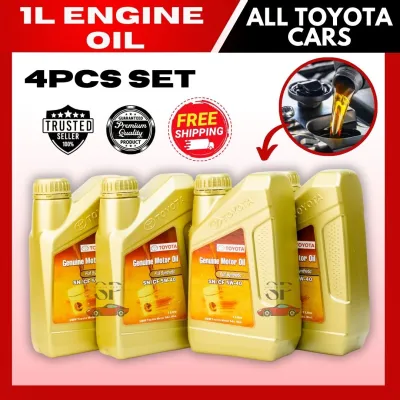
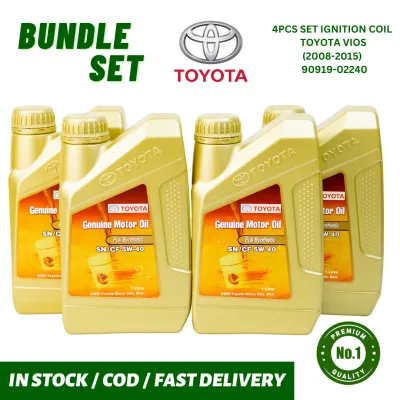
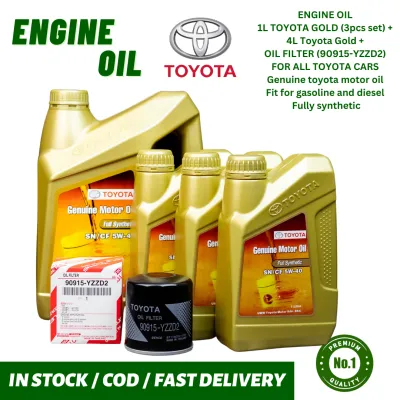
Toyota Gold is an Original Equipment Manufacturer (OEM) engine oil designed specifically to meet the baseline performance standards of Toyota vehicles. Formulated in partnership with major lubricant manufacturers, this oil is engineered to support the fuel efficiency and emissions control systems of modern Toyota engines. It is primarily distributed through authorized dealerships and OEM service centers, making it the default choice for drivers who prefer to maintain their vehicles strictly according to factory recommendations.
Products mentioned in this guide
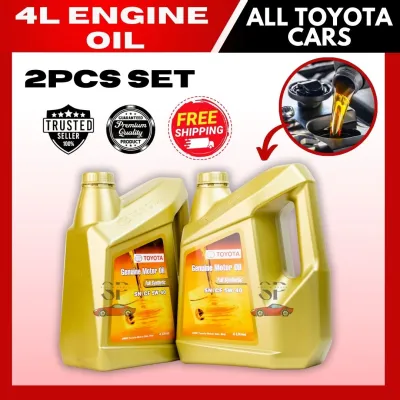
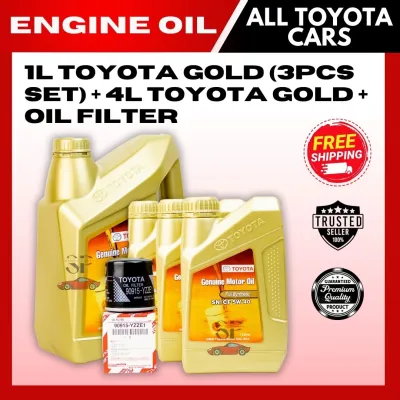
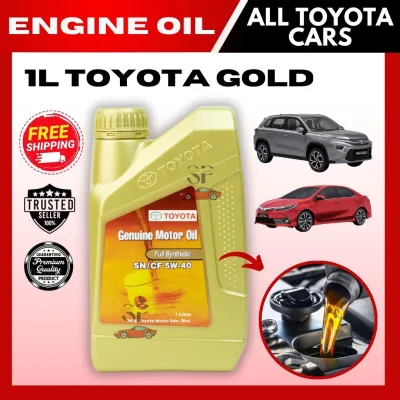
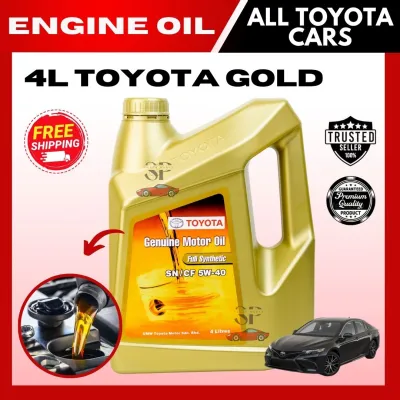
Prices are valid at publication and may change. Please refer to the product page for the latest price.
In contrast, aftermarket brands like Shell, Castrol, and Motul cater to a much broader market, offering diverse product lines engineered for various engine designs, ages, and operating conditions. Shell is widely recognized for its gas-to-liquid base oil technology, which produces highly pure synthetic oils aimed at keeping engines clean. Castrol focuses heavily on fluid strength and wear protection under high stress, offering specialized formulations for daily commuters, high-mileage vehicles, and turbocharged engines. Motul has built a reputation in the enthusiast and motorsport communities, offering premium synthetic oils formulated with advanced ester technology designed to withstand extreme thermal stress.
When comparing these brands, it is critical to avoid comparing mismatched product tiers. For example, comparing a basic conventional mineral oil from one brand to a premium, fully synthetic oil from another will not yield a fair assessment. To make an accurate comparison, you must evaluate products within the same category—such as comparing Toyota Gold Full Synthetic with Shell Helix Ultra, Castrol EDGE, or Motul 8100. This ensures you are evaluating comparable levels of base oil quality and additive performance.
Essential Specifications to Match With Your Vehicle
The most critical step in choosing an engine oil is identifying the correct viscosity grade required by your vehicle’s manufacturer. Viscosity, which measures an oil’s resistance to flow, is denoted by alphanumeric codes such as 0W-20, 5W-30, or 10W-40. The number preceding the ‘W’ indicates the oil’s flow characteristics in cold temperatures, while the number following it represents its thickness at operating temperature. In a tropical climate like the Philippines, where ambient temperatures remain high and stop-and-go traffic is common, maintaining a stable oil film at high operating temperatures is essential to prevent metal-on-metal contact.

To find the correct viscosity grade, always consult your vehicle’s owner’s manual. Using an oil that is too thin can result in inadequate lubrication and accelerated wear under heavy loads, while using an oil that is too thick can increase internal drag, reduce fuel economy, and hinder oil circulation during startup. Many modern vehicles specify low-viscosity oils like 0W-20 to optimize fuel efficiency, but older engines or those operating under severe loads may require a higher viscosity grade to ensure adequate protection.
Beyond viscosity, you must verify that the oil carries the necessary industry certifications. The American Petroleum Institute (API) and the International Lubricant Standardization and Approval Committee (ILSAC) establish rigorous performance standards for engine oils. Look for the API service symbol (the ‘Donut’) and the ILSAC starburst seal on the product label. Modern gasoline engines typically require standards such as API SP or ILSAC GF-6, which offer enhanced protection against low-speed pre-ignition, timing chain wear, and high-temperature deposits.
Finally, consider the differences between synthetic, semi-synthetic, and conventional base oils. Full synthetic oils are chemically engineered to provide superior thermal stability, oxidation resistance, and flow characteristics, making them highly suitable for modern turbocharged engines and prolonged drain intervals. Semi-synthetic oils offer a balance of performance and cost-effectiveness by blending synthetic and mineral base stocks. Conventional mineral oils are generally reserved for older, less demanding engine designs and require more frequent oil changes to prevent sludge buildup.
Evaluating Protection Claims and Long-Term Value
Engine oil labels are often filled with proprietary marketing terms highlighting advanced wear protection, active cleansing, or superior shear stability. To evaluate these claims objectively, look at the technical specifications and approvals listed on the back of the bottle. If an oil carries official manufacturer approvals (such as those from European or Asian OEMs) alongside standard API ratings, it indicates the formulation has passed specific, independent laboratory tests designed to verify its protective capabilities.
When calculating the long-term value of an engine oil, you must consider the recommended drain intervals in relation to your driving habits. Operating in severe conditions—such as short trips, prolonged idling in heavy city traffic, or driving in dusty environments—significantly accelerates oil degradation. In the Philippines, these severe conditions are common, meaning you should adhere to the shorter service intervals specified in your owner’s manual. Calculate your actual cost per kilometer by factoring in the price of the oil, the replacement filter, and labor costs over your realistic service interval.
Another critical factor in securing long-term value is ensuring product authenticity. The market contains counterfeit engine oils packaged in convincing replica bottles, which can cause severe engine wear or catastrophic failure due to substandard base oils and lack of protective additives. To avoid counterfeits, always purchase your engine oil from authorized service centers, official brand flagship stores on reputable ecommerce platforms, or well-established automotive retail chains. Be skeptical of unusually low prices from unverified online sellers, as saving a small amount on a bottle of oil can lead to incredibly expensive engine repairs.
Decision Framework: When to Choose Each Brand
To simplify your decision, use a structured framework based on your vehicle’s current status and your driving requirements. If your vehicle is still covered by a manufacturer’s warranty, choosing Toyota Gold and having it serviced at an authorized dealership is the most straightforward path. This ensures strict compliance with OEM requirements, maintains a clean service history, and eliminates any risk of warranty disputes regarding the use of non-approved fluids.
If your vehicle is out of warranty, you have more flexibility to choose specific aftermarket lines from Shell, Castrol, or Motul. For daily commuting in standard passenger cars, a high-quality synthetic or semi-synthetic oil from Shell or Castrol that matches your manual’s viscosity recommendation will provide excellent protection and cost-effectiveness. If you drive a high-mileage vehicle that experiences minor oil consumption or seal leaks, look for specialized high-mileage formulations from these brands, which contain seal conditioners to help reduce oil loss.
For high-performance vehicles, turbocharged engines, or vehicles subjected to extreme driving conditions such as towing or spirited driving, premium synthetic lines from Motul or Castrol EDGE offer enhanced thermal stability and resistance to viscosity breakdown. Before making any switch, always cross-reference the aftermarket product’s technical data sheet with the exact specifications in your owner’s manual. Ensuring that the oil meets the required API and ILSAC standards is the single most important step in protecting your engine, regardless of the brand name on the bottle.
Frequently Asked Questions (FAQ)
Can I mix Toyota Gold with Shell, Castrol, or Motul?
Mixing different brands of engine oil is generally safe in emergency situations where your oil level is critically low, but it is not recommended for regular maintenance. While modern engine oils are formulated to be compatible, each brand utilizes a unique, proprietary blend of additives, detergents, and friction modifiers. Mixing different formulations can disrupt the chemical balance of the oil, potentially reducing its overall protective capabilities, accelerating additive depletion, or leading to increased sludge formation. If you must top off your engine with a different brand, it is best to perform a complete oil and filter change at your earliest convenience to restore optimal engine protection.
Will using an aftermarket brand void my Toyota warranty?
Using an aftermarket engine oil will not void your Toyota warranty, provided the oil you choose meets the exact viscosity grade and industry certification standards (such as API SP or ILSAC GF-6) specified in your vehicle’s owner’s manual. Under consumer protection guidelines, manufacturers cannot void a warranty simply because you used an aftermarket fluid, as long as that fluid meets the required technical specifications. To protect yourself against potential warranty disputes, always keep meticulous service records, including dated invoices and receipts that clearly detail the brand, product name, and specifications of the oil used during each service.
How do I know if the engine oil I bought is authentic?
Verifying the authenticity of your engine oil requires a careful inspection of the packaging and a reliable purchasing source. Check the bottle for intact tamper-evident seals, crisp and aligned label printing, and clearly printed batch numbers and production dates on the plastic. Many premium brands, including Shell and Motul, feature unique security features such as QR codes, holographic labels, or scratch-off verification codes on the bottle that allow you to verify authenticity on their official websites. The most effective way to ensure authenticity is to purchase your oil exclusively from authorized dealerships, official brand stores on major ecommerce platforms, or reputable, well-known automotive supply stores.

Community discussion
Share your experience or ask a question. Comments are reviewed before publication.