
Choosing between Toyota Genuine windshield washer fluid (OEM) and aftermarket alternatives comes down to balancing guaranteed material compatibility against upfront cost savings. For vehicles under warranty or those equipped with advanced driver assistance systems (ADAS) near the windshield, Toyota OEM fluid offers verified safety for all sensors, seals, and plastics. However, high-quality aftermarket fluids can be highly effective and economical for daily driving, provided you verify their chemical compatibility with rubber and paint on the product label.
In a tropical climate like the Philippines, where sudden monsoon downpours, intense humidity, and dusty road conditions are part of daily driving, maintaining clear visibility is a constant challenge. The windshield washer system is your first line of defense against sudden mud splatters, oily road film, and insect debris. Using the wrong fluid can lead to streaking, clogged spray nozzles, or even permanent damage to your vehicle’s paint and rubber seals. Understanding how these fluids interact with your vehicle’s components is essential for making an informed decision.
Understanding the Core Differences in Formulation and Compatibility
Toyota Genuine windshield washer fluid is formulated to meet strict internal engineering standards, ensuring complete compatibility with the specific elastomers, plastics, and adhesives used in Toyota vehicles. The rubber hoses, pump seals, and polycarbonate headlight lenses are all tested against the OEM formulation to prevent premature cracking, swelling, or degradation.
Products mentioned in this guide
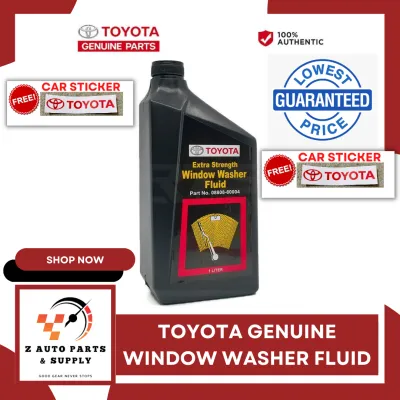
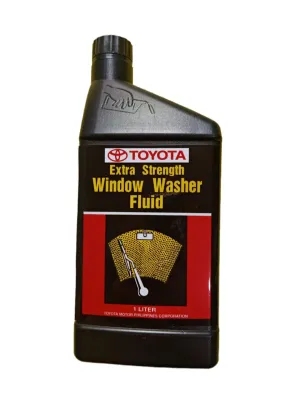
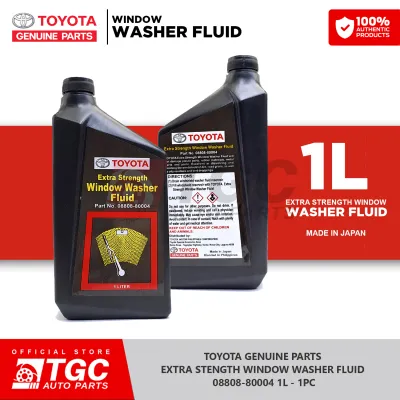
![[1 LITER] Toyota Windshield Washer Fluid - Toyota Auto Parts - TWWF](https://img.lazcdn.com/g/p/fbea552c32776d044e7e4186e55c0aef.jpg_400x400q80.jpg_.webp)
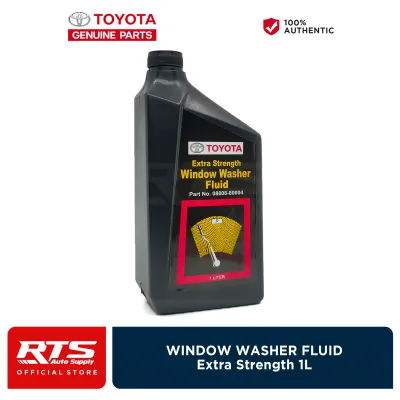
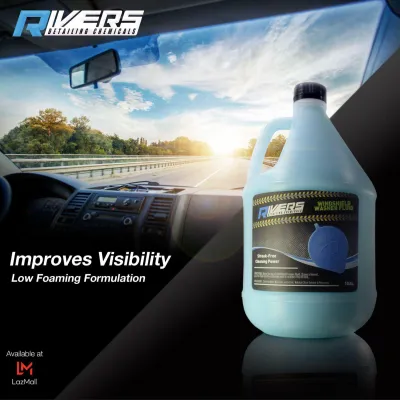
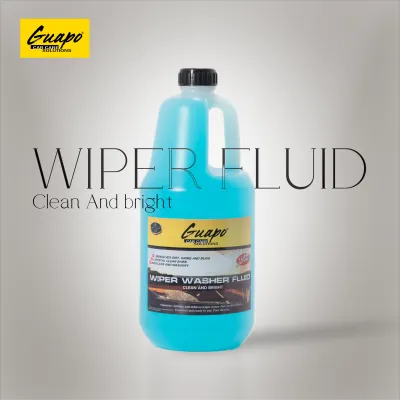
Prices are valid at publication and may change. Please refer to the product page for the latest price.
In contrast, aftermarket universal fluids are designed for a wide range of vehicle makes. To achieve this broad applicability at a lower price point, some manufacturers use generalized surfactant packages. While many reputable aftermarket brands perform exceptionally well, lower-grade options may contain harsh alcohols, ammonia, or solvents that can strip protective wax coatings, dry out wiper blades, and cause the plastic reservoir to become brittle over time.
To protect your vehicle, always perform a careful label check before purchasing any aftermarket fluid. Look for explicit manufacturer statements confirming that the product is safe for automotive plastics, rubber seals, and clear-coat finishes. Avoid products containing ammonia, which can damage rear defogger heating elements, strip window tints, and degrade rubber trim. A high-quality aftermarket fluid should clearly state its compatibility with modern polycarbonate headlight lenses and automotive paint systems.
Evaluating Cleaning Performance and Visibility Needs
The primary job of any washer fluid is to restore clear vision instantly under challenging driving conditions. In the Philippines, drivers frequently encounter heavy road grime, sticky tree sap, and organic matter like bug splatters, which quickly bake onto the glass under the hot tropical sun. A high-quality fluid must contain active surfactants that break down these organic bonds quickly without requiring excessive wiper passes, which can scratch the glass if the surface is dry or dusty.

Visibility needs also change dramatically during night driving and heavy rain. Oily films on the windshield can cause severe light refraction and glare from oncoming headlights, making it difficult to see the road clearly. High-quality washer fluids are formulated with anti-glare additives that leave zero residue or film on the glass after wiping. Some aftermarket fluids also include hydrophobic polymers that encourage water to bead up and roll off the windshield, which can significantly improve visibility during intense tropical downpours.
When assessing these performance claims, look past generic marketing terms like “super cleaning power.” Instead, look for specific product specifications on the label, such as “streak-free formula,” “removes road film,” or “hydrophobic water-beading technology.” If your Toyota is equipped with a camera-based driver assistance system (such as Toyota Safety Sense) mounted behind the rearview mirror, check your owner’s manual. These systems rely on a perfectly clear view through the glass, and some specialized water-beading fluids can leave a microscopic film that interferes with the camera’s optical sensors.
Comparing Value: Upfront Cost vs. Long-Term System Health
When evaluating the cost of washer fluid, establish a clear framework for calculating the cost per liter. Toyota OEM fluid is typically sold as a ready-to-use product or a specific concentrate, carrying a premium price at dealership service centers. Aftermarket options are widely available in both ready-to-use jugs and highly concentrated bottles that you dilute yourself with distilled water. Concentrates often provide the best value, allowing you to mix several liters of fluid for a fraction of the cost of a single OEM bottle.
However, saving a few pesos upfront on cheap aftermarket fluid can lead to expensive repairs. Low-quality fluids, or those mixed with tap water instead of distilled water, can cause mineral deposits to build up inside the washer system. Over time, these minerals clog the extremely fine spray nozzles on your hood, strain the electric washer pump, and leave white, chalky residues inside the reservoir. Replacing a burned-out washer pump or clearing clogged lines can quickly wipe out any savings gained from buying cheap fluid.
For owners of newer Toyota vehicles, warranty considerations should play a role in your decision. While using a high-quality aftermarket fluid will not automatically void your vehicle’s overall warranty, any physical damage directly caused by an unapproved consumable—such as a clogged pump or damaged paint from a harsh chemical—will typically not be covered under the manufacturer’s warranty. If your vehicle is still within its warranty period, using Toyota Genuine fluids provides complete peace of mind and eliminates potential disputes with the dealership during routine servicing.
Decision Framework: Which Fluid Should You Choose?
To make the best choice for your vehicle, consider your driving habits, budget, and vehicle age. You should choose Toyota OEM windshield washer fluid if your vehicle is still under the manufacturer’s warranty, if you prefer the convenience of dealer-maintained service, or if you want absolute certainty that the fluid is perfectly matched to your vehicle’s rubber seals and paint. It is also the safest choice if your vehicle features advanced safety sensors that look through the windshield, as the OEM formula is guaranteed not to leave any sensor-disrupting residues.
On the other hand, a reputable aftermarket brand is an excellent choice if you drive a high-mileage vehicle, use your washer system frequently, and want to minimize your ongoing maintenance costs. This is especially true if you choose a concentrated formula from a trusted automotive care brand and dilute it properly with distilled water. This approach offers excellent cleaning performance and material safety at a much lower cost per liter, making it highly practical for daily commuters who face dusty roads and frequent rain.
Before making your final purchase, verify if your windshield has any specialized aftermarket treatments, such as professional ceramic coatings or hydrophobic glass sealants. Some highly acidic or basic washer fluids can prematurely strip these expensive coatings. If you have a coated windshield, look for aftermarket fluids that are explicitly labeled as safe for coated glass, or stick to the mild, neutral formulation of the OEM fluid to preserve your windshield’s water-repellent properties.
Safe Refilling and System Maintenance Practices
If you decide to switch from Toyota OEM fluid to an aftermarket brand, or vice versa, it is highly recommended to drain the reservoir completely before refilling. Mixing different chemical formulations can lead to unexpected reactions. For example, mixing a fluid that contains silicone-based water repellents with a standard surfactant-based fluid can cause the chemicals to precipitate out of solution, forming a cloudy gel or sludge at the bottom of the reservoir that will quickly clog your pump and nozzles.
To safely drain the system, use a simple hand-operated siphon pump to draw the old fluid out through the reservoir filler neck. Avoid running the washer pump continuously to empty the tank, as this can overheat and damage the pump motor. Once the reservoir is empty, flush it with a small amount of distilled water before pouring in your new fluid. If you are using a concentrated fluid, always mix it with distilled water in a clean container before pouring it into the car; never pour raw concentrate and tap water directly into the reservoir.
During the refill process, perform a quick visual inspection of your entire washer system. Check the rubber wiper blades for any signs of tearing, cracking, or hardening, and wipe them down with a damp cloth to remove accumulated dirt. Inspect the spray nozzles on the hood for any visible crust or blockage, which can be carefully cleared using a fine needle. Finally, look inside the reservoir filler neck with a flashlight to check for any signs of algae growth or floating debris that could clog the system.
Frequently Asked Questions (FAQ)
Can using aftermarket washer fluid void my Toyota warranty?
Using an aftermarket washer fluid does not automatically void your Toyota warranty. Under standard consumer protection guidelines, a manufacturer cannot void your warranty simply because you used an aftermarket consumable. However, if the aftermarket fluid you choose causes direct physical damage to the vehicle—such as corroding the pump, clogging the lines with sediment, or damaging the paint—the cost of repairing that specific damage will not be covered under your warranty. To protect yourself, always keep receipts and choose reputable brands that explicitly guarantee compatibility.
Is it safe to mix OEM and aftermarket washer fluids in the reservoir?
It is not safe to mix different washer fluids, as their chemical bases can react negatively with one another. Mixing different formulas, especially those containing different active cleaning agents or water-beading additives, can cause chemical precipitation. This results in a thick gel or solid flakes forming inside the reservoir, which can easily clog the fine mesh filter on the washer pump and block the spray nozzles. Always drain and flush the reservoir with distilled water before switching to a different brand or formulation.
Can I use plain tap water instead of washer fluid in the Philippines?
While using plain tap water is a common cost-saving practice, it is not recommended for long-term use. Tap water in the Philippines often contains dissolved minerals that will eventually precipitate and clog the fine spray nozzles on your hood. Furthermore, the warm, humid tropical climate encourages the growth of algae and bacteria inside a dark, water-filled reservoir, which can create a slimy buildup that ruins the pump. Tap water also lacks the necessary surfactants to cut through oily road film and does not provide any lubrication for your wiper blades, leading to premature wear and noisy operation.

Community discussion
Share your experience or ask a question. Comments are reviewed before publication.