
Selecting the correct engine coolant is one of the most critical maintenance decisions you can make for your Toyota vehicle. Operating a car in the intense tropical climate of the Philippines—where high ambient temperatures, high humidity, and punishing stop-and-go traffic in urban centers like Metro Manila, Cebu, and Davao are daily realities—places an exceptional thermal load on your engine. Using the wrong cooling fluid can lead to catastrophic cooling system failure, expensive engine repairs, or a voided manufacturer warranty.
The choice between Toyota Super Long Life Coolant (SLLC) and regular Toyota Long Life Coolant (LLC) depends entirely on your vehicle’s model year, engine architecture, and factory fill specification. As a general rule of thumb, SLLC is the standard factory fill for newer Toyota models, while regular LLC is specified for older models or legacy engine designs. Because guessing can lead to severe engine damage, the only definitive way to choose is by verifying your vehicle’s requirements through official documentation, such as your owner’s manual or under-hood labels.
SLLC vs. Regular LLC: Core Differences Explained
To understand why these two fluids cannot be used interchangeably, it is necessary to examine their chemical compositions and engineering purposes. Modern automotive cooling systems are highly complex, utilizing a variety of materials including aluminum, copper, brass, plastics, and specialized rubber seals. The chemical additives in each coolant variant are specifically engineered to protect these distinct materials from corrosion, cavitation, and scale buildup under intense thermal stress.
Products mentioned in this guide
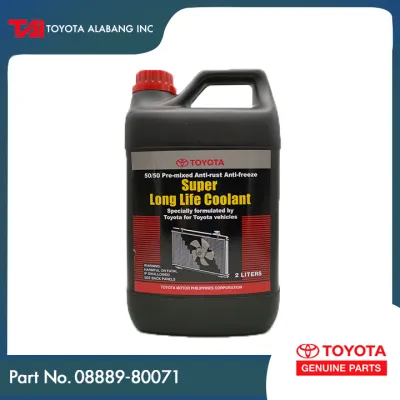
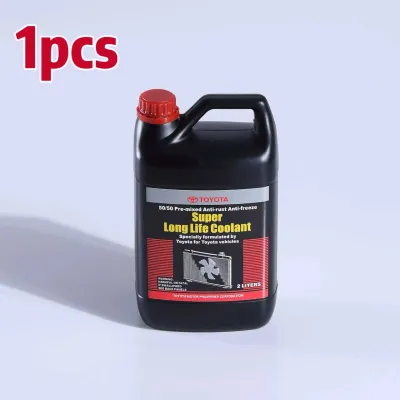
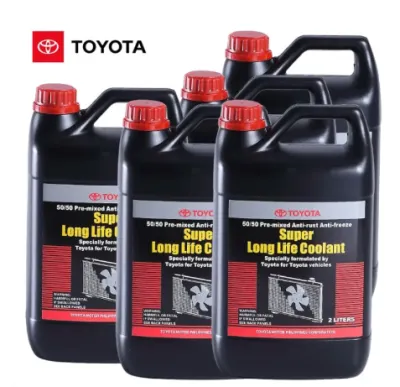
![[2L] Toyota Coolant [Long Life Coolant] - Toyota Auto Parts](https://img.lazcdn.com/g/p/1fbc8d57487932e2c8224981d80df5dc.jpg_400x400q80.jpg_.webp)
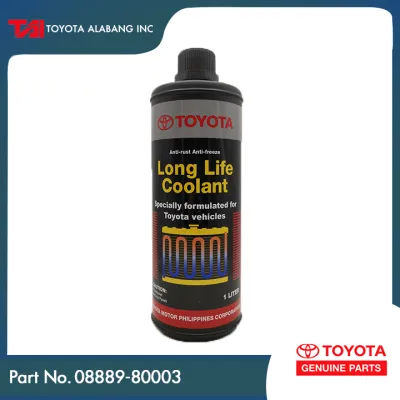
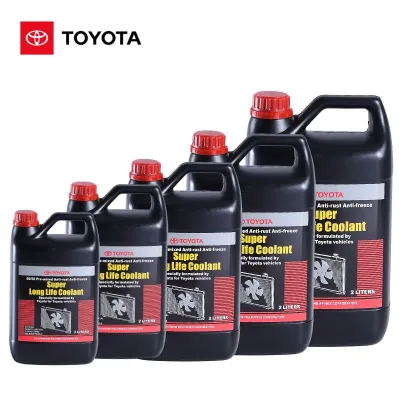
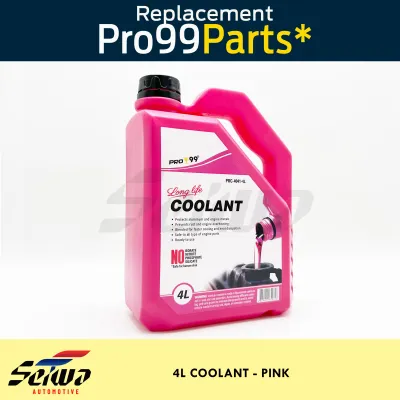
Prices are valid at publication and may change. Please refer to the product page for the latest price.
Toyota Super Long Life Coolant (SLLC)
Toyota Super Long Life Coolant is an advanced, high-performance formulation designed specifically for modern Toyota engines, including high-efficiency gasoline engines, common-rail turbo diesels, and hybrid electric vehicle (HEV) powertrain cooling loops. SLLC is formulated using Organic Acid Technology (OAT). This chemical package relies on organic acids, specifically sebacate, to provide long-lasting corrosion protection without the need for silicates, borates, nitrites, or amines.
By eliminating these inorganic inhibitors, SLLC prevents the formation of abrasive silicate gel and scale deposits that can clog the extremely narrow cooling passages found in modern aluminum radiators and heater cores. This formulation is particularly critical for protecting aluminum components under high-temperature operating conditions. SLLC is typically dyed pink to distinguish it from other fluids, though this color is merely an identifier and not a chemical guarantee of compatibility.
In the retail market, SLLC is almost exclusively sold as a pre-mixed solution, typically at a 50/50 ratio with highly purified deionized water. This pre-mixed formulation ensures that the coolant has the exact chemical concentration required to prevent boiling and corrosion. You should never dilute pre-mixed SLLC with tap water or distilled water, as altering the concentration will dilute the protective additives and compromise the fluid’s thermal performance.
Toyota Long Life Coolant (Regular LLC)
Toyota Long Life Coolant, often referred to as regular LLC, is formulated for older or legacy Toyota engine designs that utilize different metallurgy, such as cast-iron engine blocks and copper-brass radiators. Regular LLC is typically a Hybrid Organic Acid Technology (HOAT) or a traditional inorganic formulation. It combines organic corrosion inhibitors with inorganic phosphates to provide rapid, robust surface protection for these older metal alloys.
While highly effective at protecting legacy components, the phosphates in regular LLC can react with minerals found in hard water, leading to scale deposits if not mixed correctly. Regular LLC is typically dyed red, but like SLLC, this color is a manufacturer dye and should not be used as the sole method of identification.
Unlike SLLC, regular LLC is frequently sold as a concentrated fluid. This requires the user to manually dilute the coolant with distilled or deionized water before adding it to the vehicle’s cooling system. The typical dilution ratio is 50/50, though this may vary depending on specific operating environments. It is critical to consult the product label for exact dilution instructions and to use only high-quality distilled water, as tap water contains minerals that will degrade the coolant’s performance and cause internal scaling.
Matching Coolant to Your Toyota Model and Year
Determining which coolant is correct for your specific Toyota model requires a systematic verification process. Because engine designs and cooling system materials have evolved significantly over the years, relying on internet forums or generic advice can lead to costly compatibility errors.

The first and most reliable source of information is your vehicle’s owner’s manual. Navigate to the “Maintenance”, “Specifications”, or “Do-it-yourself maintenance” section of the manual. Here, Toyota lists the exact fluid specifications, capacities, and approved product names for every system in the vehicle. Look for a clear statement specifying either “Toyota Super Long Life Coolant” or “Toyota Long Life Coolant”.
If you do not have access to the physical owner’s manual, you can often find physical cues directly on the vehicle. Open the hood when the engine is completely cold and locate the coolant reservoir tank. Toyota frequently prints or molds the required coolant specification directly onto the reservoir cap or places an informational sticker on the underside of the hood or the radiator core support. These labels often explicitly state “SLLC” or “Use Toyota Super Long Life Coolant only.”
For pre-owned vehicles, or if the under-hood stickers have faded due to years of exposure to engine heat and tropical humidity, a dealership verification is the safest course of action. You can contact or visit an authorized Toyota dealership service center in the Philippines and provide them with your vehicle’s 17-digit Vehicle Identification Number (VIN). The VIN is located on your vehicle registration documents (the Certificate of Registration and Official Receipt, or CR/OR), on the dashboard plate visible through the windshield, or on the driver’s side door pillar sticker. The dealership can access Toyota’s official database to confirm the exact factory-fill coolant specification for your specific chassis.
It is also important to recognize that engine variations within the same model year can dictate different cooling requirements. For instance, a standard internal combustion engine and a hybrid variant of the same Toyota model may have entirely different cooling layouts. Hybrid vehicles, such as the Corolla Cross Hybrid, Yaris Cross Hybrid, or Rav4 Hybrid, often feature two separate cooling loops: one for the gasoline engine and another independent loop for the hybrid inverter and electric motors. Each loop may require a specific fluid volume and type, making precise verification using your VIN or manual absolutely essential before performing any maintenance.
Comparing Lifespan, Maintenance, and Mixing Risks
Understanding the practical differences in maintenance intervals and the severe mechanical risks of mixing different coolant types is vital for long-term vehicle health.
Service Intervals
The service life of your coolant is determined by its chemical formulation and the operating conditions of the vehicle. SLLC is engineered for extended service intervals, offering a very long lifespan for the factory-installed fluid, with subsequent replacements occurring at shorter but still highly durable intervals. Regular LLC, due to its different chemical inhibitors, typically requires more frequent inspection and replacement. To determine the exact service schedule for your vehicle, always consult the “Scheduled Maintenance Guide” or the maintenance section of your owner’s manual, as these intervals are highly dependent on your driving habits and environmental factors.
Mixing Risks
One of the most critical rules of automotive cooling system maintenance is that you must never mix SLLC with regular LLC, nor should you mix Toyota proprietary coolants with generic, multi-vehicle “universal” coolants. The chemical packages in SLLC (OAT) and regular LLC (phosphated HOAT or inorganic) are chemically incompatible.
If mixed, the organic acids and inorganic phosphates can react chemically, causing the corrosion inhibitors to drop out of solution. This chemical reaction often results in a phenomenon known as precipitation, where the fluid thickens into a muddy, gelatinous sludge. This sludge can quickly restrict or completely block the microscopic passages within your radiator, heater core, and engine block.
When coolant flow is restricted, the engine will suffer from localized overheating. This can lead to catastrophic mechanical failures, such as warped cylinder heads, blown head gaskets, and cracked engine blocks. Furthermore, the abrasive particles formed during chemical precipitation can rapidly destroy the internal seals of your water pump, leading to coolant leaks and complete pump failure. Mixing incompatible fluids will also void any active manufacturer or aftermarket warranties on your cooling system components.
Comparison Table
To help visualize the key differences between these two coolant variants, refer to the comparison table below. Note that this table represents typical manufacturer specifications and should always be verified against your specific vehicle documentation.
| Dimension | Toyota Super Long Life Coolant (SLLC) | Toyota Long Life Coolant (Regular LLC) |
|---|---|---|
| Factory Fill Status | Standard for newer Toyota models and hybrid systems | Standard for older Toyota models and legacy engines |
| Typical Color Identifier | Pink (Note: Color is a dye only; always verify chemical spec) | Red (Note: Color is a dye only; always verify chemical spec) |
| Dilution Requirement | Pre-mixed (50/50); do not add water or dilute | Available as concentrate or pre-mix; verify label instructions |
| Primary Verification Method | Owner's manual, reservoir cap label, or VIN check | Owner's manual, radiator cap, or VIN check |
| Base Chemistry | Sebacate-based Organic Acid Technology (OAT); silicate-free | Phosphated Hybrid Organic Acid Technology (HOAT) |
Decision Framework: How to Choose and Verify
To ensure your Toyota’s cooling system remains reliable under all driving conditions, use the following structured decision framework to guide your purchase and maintenance actions.
- Choose SLLC if: Your vehicle's owner’s manual, coolant reservoir cap, under-hood sticker, or an authorized Toyota dealership VIN check explicitly specifies "Super Long Life Coolant" or "SLLC," and you are maintaining a modern gasoline, diesel, or hybrid Toyota model.
- Choose Regular LLC if: Your official vehicle documentation, radiator cap, or dealership service record explicitly calls for standard "Long Life Coolant" or "LLC," which is typically found in older Toyota models or specific legacy engine designs.
- Verify first if: The coolant currently in your reservoir appears discolored, muddy, contains floating debris, or if you have recently purchased a pre-owned vehicle and are unsure of its maintenance history. If the existing fluid is compromised or of unknown origin, a simple top-up is highly discouraged. Instead, a complete cooling system flush and refill using the correct manufacturer-specified fluid must be performed by a qualified professional.
Safety & Execution Boundaries
Before performing any cooling system checks or maintenance, you must observe strict safety protocols. Never attempt to open the radiator cap, coolant reservoir cap, or any cooling system drain plug while the engine is hot or warm. The cooling system operates under high pressure, and opening it prematurely can cause boiling coolant and scalding steam to spray out violently, resulting in severe, life-altering burns. Always allow the vehicle to sit with the engine off for several hours until the engine block and radiator are completely cold to the touch.
Additionally, performing a complete coolant drain, flush, and refill is a highly technical procedure that carries significant mechanical risk. When refilling a cooling system, air pockets can easily become trapped within the engine block or heater core. These air pockets prevent coolant from circulating properly, leading to rapid localized overheating and severe engine damage.
Bleeding the air from a modern cooling system often requires specialized tools, such as vacuum filling systems, and specific procedures, such as cycling the heater controls or using diagnostic scan tools to activate electric water pumps in hybrid models. If you do not possess the necessary technical expertise, specialized equipment, or official service manuals, do not attempt to flush or bleed the system yourself. Always have these procedures performed by a qualified professional at an authorized Toyota service center or a certified automotive repair facility. Always check the product label of the specific coolant bottle purchased to ensure it matches your vehicle’s requirements before adding any fluid.
Frequently Asked Questions (FAQ)
Can I top up SLLC with regular LLC in an emergency?
No, topping up SLLC with regular LLC is not recommended under any circumstances. Mixing these two distinct chemical formulations compromises the chemical stability of the fluid, dilutes the specialized corrosion inhibitors, and can lead to chemical precipitation that forms a thick, clogging gel.
In a strict roadside emergency where your coolant level is critically low, causing the engine to overheat, and you do not have access to the correct specified coolant, adding clean distilled water is a much safer temporary alternative than mixing incompatible coolant types. Distilled water will dilute the coolant’s concentration slightly but will not cause a chemical reaction or gel formation. If you must use distilled water in an emergency, you should drive directly to a professional service facility to have the entire cooling system flushed and refilled with the correct manufacturer-specified coolant as soon as possible.
Does the coolant color always indicate the correct Toyota variant?
No, you should never rely solely on fluid color to identify or select your engine coolant. While Toyota typically dyes its factory Super Long Life Coolant (SLLC) pink and its regular Long Life Coolant (LLC) red, color is merely an artificial dye added during manufacturing and does not represent a standardized chemical specification.
Many aftermarket coolant manufacturers produce fluids in various colors—including pink, red, blue, green, and yellow—that may not meet Toyota’s strict chemical standards or compatibility requirements. Furthermore, older, degraded, or contaminated coolant can change color over time, making visual identification highly unreliable. Always ignore the fluid’s color and instead verify the exact chemical specification printed on the product label and cross-reference it with your vehicle’s official documentation before purchase or installation.

Community discussion
Share your experience or ask a question. Comments are reviewed before publication.