
To find the exact spark plug specifications for a Toyota Vios Gen 3, you must match the specific engine variant (typically the 1.3L 1NR-FE/2NR-FBE or 1.5L 1NZ-FE/2NR-FE, depending on the production year) with the manufacturer’s designated thread size, reach, heat range, and electrode gap. Because installing an incorrect plug can lead to severe engine damage or poor fuel economy, verifying these parameters through the vehicle’s owner’s manual or the under-hood emissions label is the most reliable path. Choosing the correct spark plug for your Toyota Vios Gen 3 ensures optimal combustion, smooth idling, and consistent performance under hot tropical driving conditions.
Understanding Core Spark Plug Specifications for Your Engine
Thread size and reach are the fundamental physical dimensions of any spark plug. The thread size must match the tapped hole in the cylinder head to prevent cross-threading or gas leakage. Reach refers to the length of the threaded portion; if a plug has too long of a reach, it will protrude into the combustion chamber, risking physical contact with the moving piston. Conversely, a reach that is too short places the spark electrode too far back, leading to incomplete combustion and carbon buildup on the exposed cylinder head threads.
The heat range measures the plug’s thermal performance, specifically how quickly it transfers heat from the firing tip to the engine’s cooling jacket. If the heat range is too hot, the plug cannot dissipate heat fast enough, which can ignite the air-fuel mixture prematurely and cause destructive engine knocking. If the heat range is too cold, the plug will not reach its self-cleaning temperature, causing carbon deposits to accumulate and ground out the electrical current.
Products mentioned in this guide
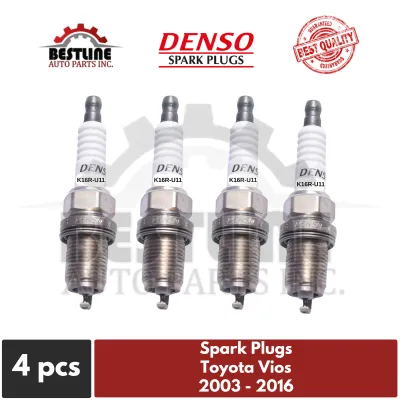
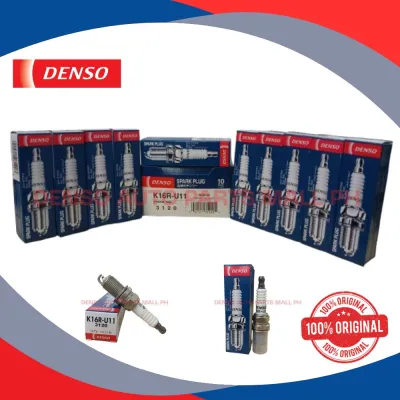
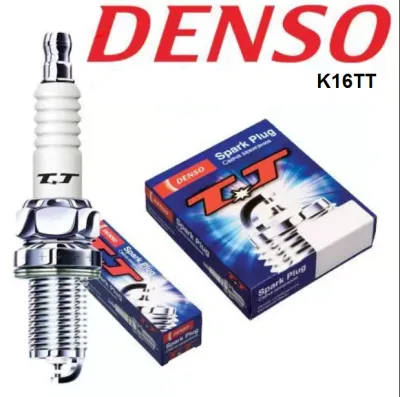
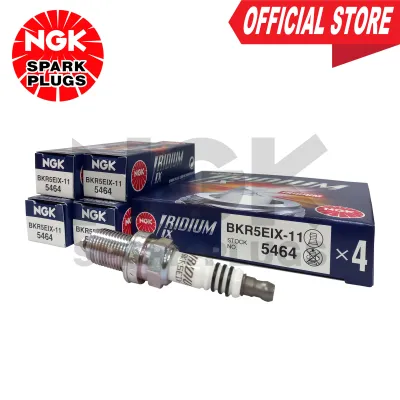
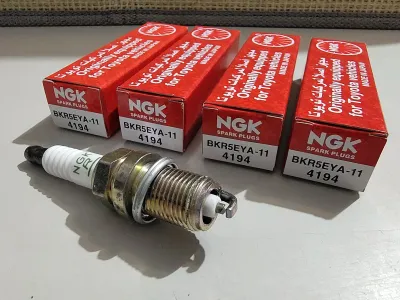
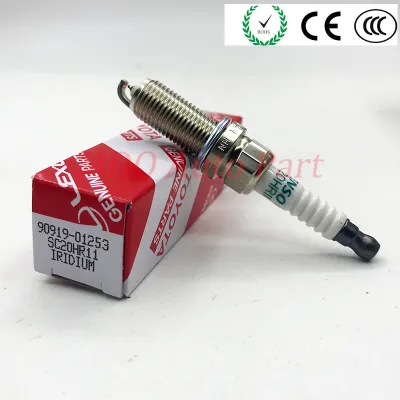
Prices are valid at publication and may change. Please refer to the product page for the latest price.
The electrode gap is the physical distance between the center electrode and the ground electrode. A gap that is too wide requires a higher voltage to jump, which can strain the ignition coils and cause misfires under heavy acceleration. A gap that is too narrow produces a small, weak spark that may fail to ignite the air-fuel mixture cleanly, resulting in rough idling and reduced fuel efficiency.
How to Verify the Exact Specifications for Toyota Vios Gen 3
Because the Toyota Vios Gen 3 has been produced with different engine configurations over its lifespan, verifying the exact specifications for your specific vehicle is crucial. The most reliable source of information is the vehicle’s official owner’s manual, which lists the recommended spark plug part numbers, electrode gap, and torque specifications. Another reliable reference point is the vehicle emissions control information label, typically located on the underside of the hood, which provides factory-recommended spark plug types tailored specifically to your model year.

If the manual is unavailable, you can retrieve the specifications by inspecting the spark plugs currently installed in the engine. By carefully removing one plug, you can read the manufacturer’s part number stamped on the ceramic insulator. This alphanumeric code can then be cross-referenced using official catalogs provided by major spark plug manufacturers to identify the exact thread pitch, reach, heat range, and material.
It is also highly recommended to consult an authorized Toyota dealer or a certified mechanic when purchasing replacement parts. The Gen 3 Vios transitioned from the older VVT-i engines to the newer Dual VVT-i engines during its production run. Because these engine families utilize different cylinder head designs, ignition systems, and spark plug dimensions, professional verification prevents the common mistake of purchasing plugs designed for a different model year.
Comparing Spark Plug Materials for Daily Driving and Longevity
When selecting replacement spark plugs, you will generally choose between three primary materials: copper, platinum, and iridium. Copper spark plugs feature a solid copper core with a nickel alloy tip. While copper is an excellent conductor, nickel wears down relatively quickly under intense combustion heat, meaning these plugs have a lower upfront cost in ₱ but require much more frequent replacement. Platinum spark plugs utilize a small platinum disc welded to the center electrode, offering a balanced middle ground with a more stable spark and a longer service life than standard copper plugs.
Iridium spark plugs represent the highest tier of durability and performance. Iridium is extremely hard and has an incredibly high melting point, allowing manufacturers to design plugs with an ultra-fine center electrode. This fine tip concentrates the electrical spark, requiring less voltage from the ignition coils to fire. Iridium plugs provide the most stable spark under demanding driving conditions, such as the high-temperature, stop-and-go traffic common in urban areas of the Philippines.
When deciding on a material, always match your choice to the vehicle’s factory maintenance schedule. If your Vios Gen 3 was originally equipped with long-life iridium plugs, you should avoid downgrading to copper or platinum. Doing so can cause the ignition coils to work harder to bridge the larger electrode gap of worn copper plugs, potentially leading to premature coil failure and increased long-term repair costs.
Safe Installation Practices and When to Seek Professional Help
Replacing spark plugs is a manageable task for DIY enthusiasts, but it requires strict adherence to safe installation practices. Before installing any new spark plug, check the electrode gap using a dedicated wire or feeler gauge. Even if the plugs are advertised as pre-gapped, they can easily be bumped out of alignment during shipping. When adjusting the gap on platinum or iridium plugs, use extreme caution to avoid touching or applying pressure to the fragile center electrode, as the precious metal tip can easily chip or snap off.
The use of a calibrated torque wrench is absolutely critical when installing spark plugs into the aluminum cylinder head of the Vios Gen 3. Under-tightening a spark plug can prevent it from sealing properly, allowing hot combustion gases to escape past the threads, which can lead to compression loss and localized overheating. Over-tightening, on the other hand, can easily strip the soft aluminum threads in the cylinder head or crack the plug’s ceramic insulator, both of which require expensive professional repairs to correct.
Always refer to the torque specifications provided by the spark plug manufacturer or the vehicle service manual, and avoid using anti-seize compounds unless explicitly recommended, as lubricants can lead to accidental over-tightening. If you encounter significant resistance while trying to unscrew an old spark plug, do not force it. Forcing a seized plug can tear the threads out of the cylinder head; instead, apply a penetrating oil and allow it to sit, or seek the assistance of a professional mechanic.
You should also halt the installation and consult a professional if you observe oil on the spark plug threads, which indicates a leaking valve cover gasket, or if the ignition coil boots show signs of cracking or heat damage.
Frequently Asked Questions (FAQ)
Can I use a different heat range if my preferred brand is out of stock?
No, you should never alter the spark plug heat range from the manufacturer’s original specification. Installing a spark plug that is too hot can cause pre-ignition, where the air-fuel mixture ignites before the spark occurs, leading to severe piston and valve damage. Installing a plug that is too cold will prevent the electrode from reaching its self-cleaning temperature, causing rapid carbon buildup, rough idling, and eventual engine misfires. If your preferred brand is out of stock, look for an exact cross-referenced equivalent from another reputable manufacturer that matches the factory heat range.
How often should I inspect or replace the spark plugs?
You should always refer to the official maintenance schedule in your Toyota Vios owner’s manual for the recommended inspection and replacement intervals. The lifespan of a spark plug depends heavily on the electrode material and your typical driving conditions. Standard nickel or copper plugs require more frequent inspection and replacement, while high-durability platinum and iridium plugs are engineered to last significantly longer. Regularly inspecting the plugs during routine oil changes allows you to monitor their wear patterns and identify potential engine issues before they lead to performance loss.

Community discussion
Share your experience or ask a question. Comments are reviewed before publication.