
Choosing the right turtle back caliper for your motorcycle requires looking beyond brand names and aesthetic appeal. Because there is no centralized, standardized third-party testing database for aftermarket motorcycle brakes, comparing these components relies on a systematic evaluation of manufacturer specifications, physical dimensions, and material engineering. A caliper that delivers exceptional stopping power on one motorcycle model might cause a spongy lever feel or clearance issues on another if the hydraulic ratios and mounting configurations are not precisely matched.
To make an informed decision, you must evaluate how a caliper’s mechanical design, piston configuration, and material composition align with your specific motorcycle and riding conditions. This guide breaks down the critical compatibility checks, performance specifications, and build quality indicators that define a reliable brake upgrade, helping you select a component that enhances safety and longevity.
Essential Compatibility Checks Before Comparing Brands
Before comparing the performance of different turtle back caliper brands, you must verify that the component can physically and hydraulically integrate with your motorcycle. Aftermarket calipers are not universal, and attempting to force a mismatch can compromise your entire braking system.
Products mentioned in this guide
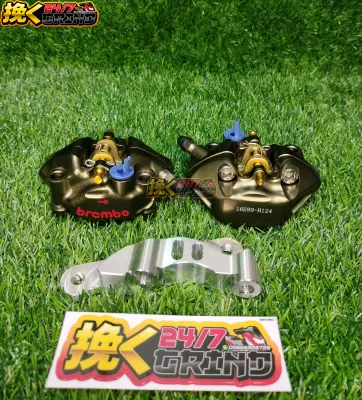
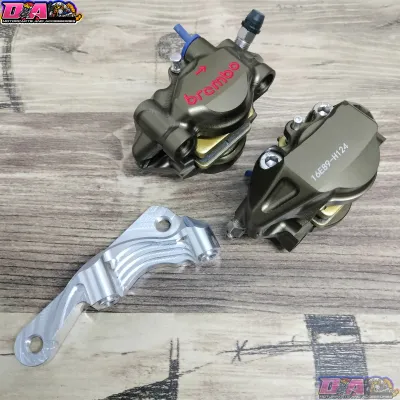
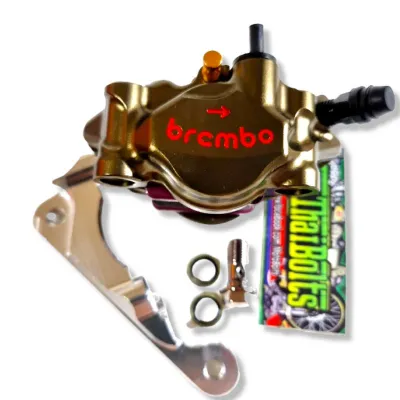
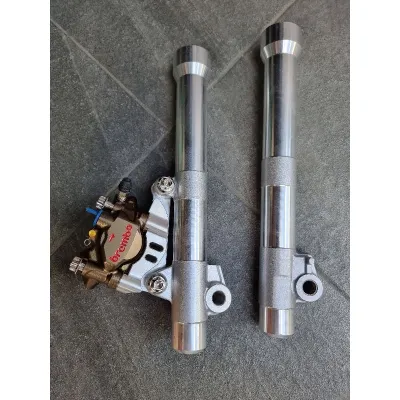
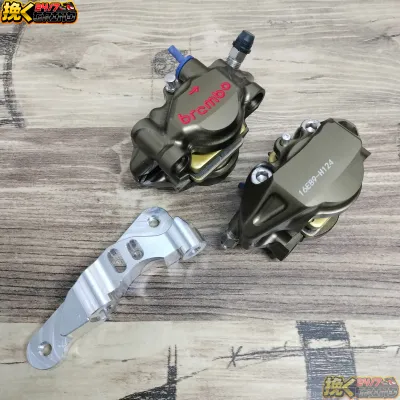
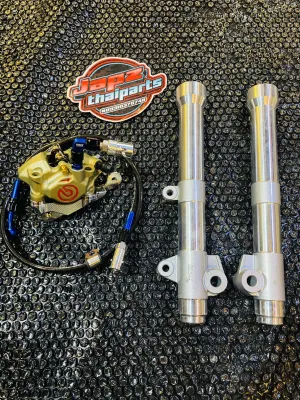
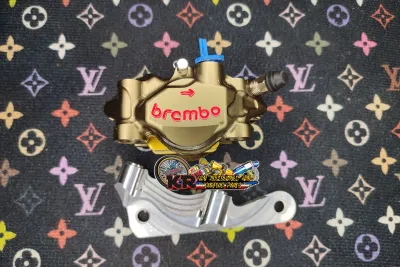
Prices are valid at publication and may change. Please refer to the product page for the latest price.
First, examine the mounting configuration. Most turtle back calipers use a specific mounting bolt spacing, often referred to as the pitch (such as 84mm axial mounting). You must measure your motorcycle’s original caliper mounting points or obtain a model-specific adapter bracket. The adapter bracket must be machined to precise tolerances, typically from high-grade billet aluminum, to ensure the caliper sits perfectly parallel to the brake disc. Any misalignment will cause uneven pad wear, reduced stopping power, and potential disc warping. Additionally, check the clearance between the caliper body and the wheel spokes. Many multi-piston turtle back calipers have wider profiles than stock single-piston units, which can lead to dangerous contact with the spokes on certain underbone or scooter models.
Second, you must match the caliper’s total piston area with your master cylinder’s fluid displacement. The hydraulic ratio between the master cylinder piston and the caliper pistons determines your brake lever’s feel and travel. If you install a large four-piston turtle back caliper while retaining a small-diameter stock master cylinder, the master cylinder will not displace enough fluid to move the caliper pistons efficiently. This results in a soft, spongy lever that must be pulled almost to the handlebar grip before the brakes engage. Conversely, a master cylinder that is too large for the caliper pistons will produce a stiff, wooden lever feel with very little modulation, making it easy to accidentally lock the wheels.
Finally, verify brake disc compatibility. The caliper must accommodate the thickness and diameter of your current brake disc. Standard motorcycle discs typically range from 3.5mm to 5mm in thickness. A disc that is too thick can cause the brake pads to drag constantly, leading to extreme heat buildup and premature wear. The caliper must also be positioned so that the brake pads make full contact with the disc’s swept area. If the pads hang over the outer edge of the disc or sit too low, they will wear unevenly and fail to provide optimal friction.
Evaluating Braking Performance Specifications
Once compatibility is established, you can compare how different brands design their calipers to maximize stopping power and heat dissipation. Braking performance is determined by structural rigidity, piston layout, and pad contact dynamics.

The number and arrangement of pistons inside the caliper play a major role in how force is applied to the brake pads. Opposed-piston designs, where pistons push from both sides of the caliper body, generally offer more balanced pressure distribution than floating calipers that rely on slider pins. In a dual-piston or four-piston opposed turtle back caliper, the hydraulic force is applied directly and symmetrically to both pads. This even distribution minimizes pad taper—a condition where one end of the brake pad wears down faster than the other—and ensures a more immediate, consistent bite when you pull the lever.
Caliper body construction is another critical performance differentiator. Under heavy braking, the hydraulic pressure inside the caliper can exceed several hundred pounds per square inch. This pressure exerts an outward force on the caliper body, causing it to flex. Caliper flex wastes hydraulic energy, resulting in a mushy lever feel and reduced clamping force. To combat this, premium brands manufacture calipers from forged aluminum rather than cast aluminum. Forging compresses the metal’s grain structure, making it significantly stronger and more rigid than cast metal of the same weight. A highly rigid forged caliper maintains its shape under extreme pressure, translating every millimeter of lever pull into direct stopping power.
Additionally, consider the friction area and pad compound compatibility. The physical size of the brake pad determines the contact patch on the disc. A larger contact area distributes heat more effectively, reducing the risk of brake fade during prolonged use. When comparing brands, check what pad shapes and compounds they support. A caliper that uses a standard, widely available pad shape allows you to choose from various high-performance compounds, such as sintered metal for aggressive riding or organic compounds for smooth, quiet daily commuting.
Assessing Build Quality and Longevity Indicators
A high-performance caliper is of little use if it degrades quickly under harsh environmental conditions. Evaluating build quality requires looking at surface treatments, seal designs, and long-term serviceability.
In tropical climates like the Philippines, motorcycles are routinely exposed to intense humidity, heavy monsoon rains, and coastal salt air. These conditions accelerate corrosion, which can seize caliper pistons and degrade mounting hardware. Hard anodized surface treatments offer superior protection compared to standard paint or powder coating. Anodizing chemically bonds an oxide layer to the aluminum surface, making it highly resistant to scratching, chipping, and chemical corrosion from brake fluid. When inspecting a caliper, a uniform, matte anodized finish is a strong indicator of robust surface protection.
The internal seals are the most critical components for long-term reliability. A standard turtle back caliper relies on two seals per piston: a primary fluid seal to contain the pressurized brake fluid and a dust boot or wiper seal to keep out road grime, water, and debris. High-quality calipers utilize ethylene propylene diene monomer (EPDM) rubber seals, which maintain their elasticity and resist swelling when exposed to glycol-based brake fluids. If a caliper lacks effective dust seals, fine road grit will eventually bypass the outer barrier, scratching the piston walls and causing fluid leaks or stuck pistons.
Serviceability is the final pillar of longevity. Before purchasing, verify the availability of official rebuild kits, replacement seals, and spare pistons. Even the highest-quality calipers require periodic maintenance, especially after riding through flooded streets or dusty terrain. If a brand does not offer accessible replacement seals or local distributor support, a simple torn seal could force you to discard the entire caliper. Opt for brands that have established local supply chains or are supported by reputable motorcycle specialty shops.
Decision Framework: Matching the Caliper to Your Riding Style
Choosing the right turtle back caliper is not about finding a single “best” product, but rather matching the caliper’s design to your daily riding habits, environment, and budget.
For daily commuters and utility riders navigating congested city streets, a standard cast-aluminum multi-piston caliper is often the most practical choice. These calipers provide a significant upgrade over stock single-piston units without requiring a massive financial investment. They offer a predictable, progressive lever feel that is easy to modulate in stop-and-go traffic. When budgeting for this upgrade, expect to evaluate options within accessible local price ranges (typically starting around ₱2,500 to ₱5,000, depending on the required adapter brackets and pad choices). This setup prioritizes low maintenance, cost-effective replacement pads, and reliable wet-weather performance.
For sport riders, canyon carvers, or those who frequently carry heavy loads and pillion passengers, a high-rigidity forged aluminum caliper is highly recommended. The increased structural stiffness of a forged body prevents caliper flex during rapid deceleration on steep descents, such as mountain passes. This ensures consistent braking performance even as temperatures rise. While forged options command a premium price, the investment yields a highly responsive, fade-resistant braking system that provides maximum feedback through the lever.
Regardless of your riding style, always verify your motorcycle’s existing infrastructure before finalizing a purchase. If your motorcycle is equipped with an Anti-lock Braking System (ABS), changing the caliper’s fluid volume can alter how the ABS module modulates pressure during an emergency stop. Ensure that any aftermarket caliper upgrade is compatible with your specific ABS sensors and pump displacement to avoid system errors or delayed ABS intervention.
Installation Safety and Professional Boundaries
Brake systems are the most critical safety components on your motorcycle. Improper installation of a caliper can lead to sudden brake failure, wheel lockup, or severe accidents. You must understand the technical requirements and safety boundaries before attempting an installation.
First, the hydraulic system must be completely sealed and free of air. After mounting the new caliper, you must perform a thorough brake bleeding procedure using fresh, clean brake fluid from a sealed container. Always use the specific DOT rating recommended by your motorcycle’s manufacturer (typically DOT 3 or DOT 4). Never mix glycol-based fluids with silicone-based fluids (such as DOT 5), as they will react and form a thick gel that clogs the master cylinder and caliper passages, causing complete brake failure. Ensure all air bubbles are purged from the system; even a tiny pocket of air will compress under pressure, resulting in a dangerous loss of braking force.
Second, all mounting hardware must be secured to exact torque specifications using a calibrated torque wrench. The caliper mounting bolts and adapter bracket bolts are subjected to extreme shear forces during braking. Under-tightening these bolts can cause them to back out due to engine vibration, while over-tightening can strip the aluminum threads or stretch the bolts beyond their yield strength. Always refer to your motorcycle’s service manual for the correct torque values and apply a medium-strength thread-locking compound to the bolt threads to prevent them from loosening over time.
Finally, recognize when a DIY installation exceeds your technical capabilities. If you encounter any of the following issues during mock-up or installation, stop immediately and consult a qualified professional motorcycle mechanic:
- The caliper body or adapter bracket makes physical contact with the wheel spokes, rim, or fork leg.
- The brake pads do not align perfectly with the swept area of the brake disc.
- The brake lever remains spongy even after multiple bleeding attempts.
- The ABS warning light on your dashboard illuminates or flashes after installing the new caliper.
Prioritizing professional installation ensures that your braking system is verified under controlled conditions, keeping you safe on the road.
Frequently Asked Questions (FAQ)
Do I need to upgrade my master cylinder when installing a larger turtle back caliper?
You do not always need to upgrade your master cylinder, but it depends entirely on the total piston surface area of the new caliper compared to your stock unit. If the new turtle back caliper has significantly larger or more pistons than your original caliper, your stock master cylinder may not displace enough fluid per stroke. This mismatch results in a long, spongy lever pull. To maintain a firm, responsive lever feel, you should calculate the hydraulic ratio; if the ratio exceeds the recommended range, upgrading to a master cylinder with a larger piston diameter is necessary to match the new caliper’s fluid requirements.
Can I use my existing brake pads with a new aftermarket caliper?
No, you cannot use your existing brake pads unless they are the exact same shape, size, and thickness required by the new aftermarket caliper. Most turtle back calipers use proprietary or standardized high-performance pad shapes that differ significantly from stock OEM pads. Even if the old pads physically fit, you should always install brand-new brake pads with a new caliper. Reusing worn pads prevents proper bedding-in against the brake disc, which reduces initial stopping power and can cause uneven wear or scoring on your disc surface.

Community discussion
Share your experience or ask a question. Comments are reviewed before publication.