
For diesel engine owners, selecting the correct motor oil is one of the most critical decisions for maintaining engine longevity and performance. The designation “10W-30” on a bottle of diesel engine oil represents its multi-grade viscosity rating, which describes how the fluid flows under different temperature conditions. Specifically, it indicates that the oil has a low-temperature viscosity equivalent to a 10-weight oil in cold conditions, and a high-temperature viscosity equivalent to a 30-weight oil at normal engine operating temperatures. Understanding this rating helps ensure your engine receives immediate lubrication during startup while maintaining a protective barrier under heavy loads.
Decoding the 10W-30 Viscosity Rating
Viscosity is fundamentally a measure of a fluid’s resistance to flow. In the automotive world, engine oils must perform across a wide temperature spectrum, leading to the development of multi-grade oils like 10W-30.
The “10W” portion of the rating denotes the oil’s low-temperature flow characteristics, with the “W” standing for Winter. A lower number before the “W” indicates that the oil remains more fluid at cold temperatures, allowing the engine starter motor to crank the engine with less resistance and enabling the oil pump to distribute lubrication quickly to critical components during a cold start. Even in tropical climates like the Philippines, where freezing temperatures are virtually non-existent, cold-start viscosity remains important because an engine at rest is still significantly cooler than its normal operating temperature.
Products mentioned in this guide
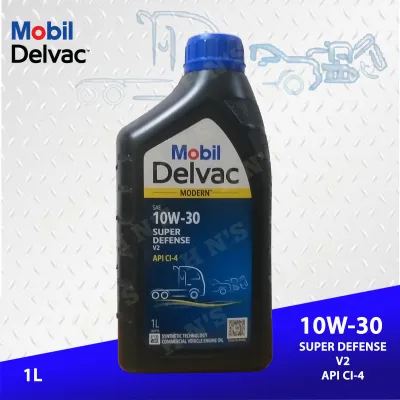
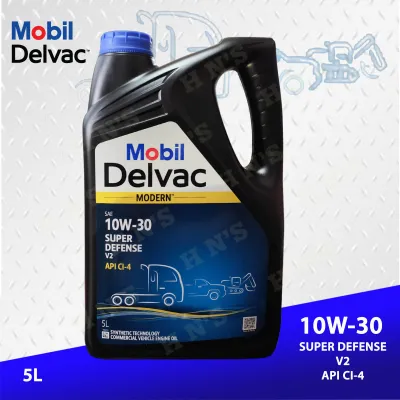
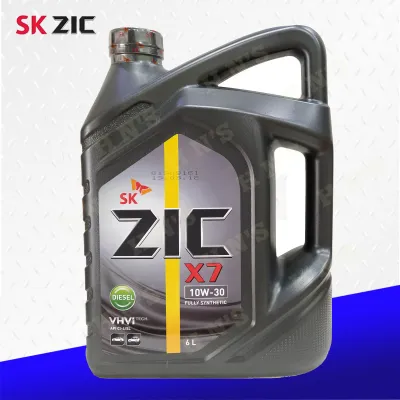
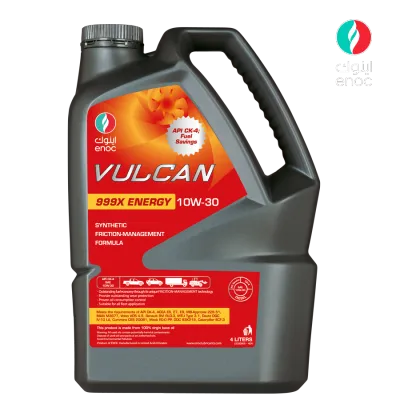
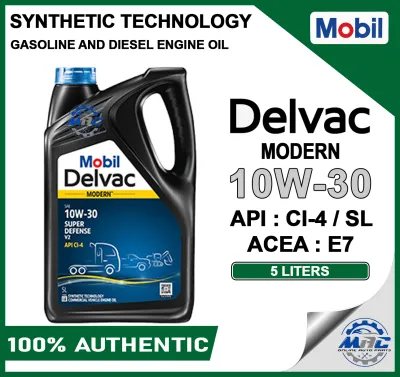
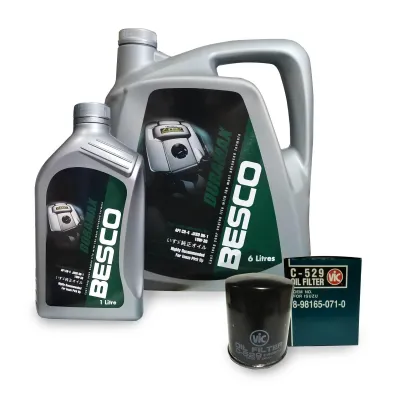
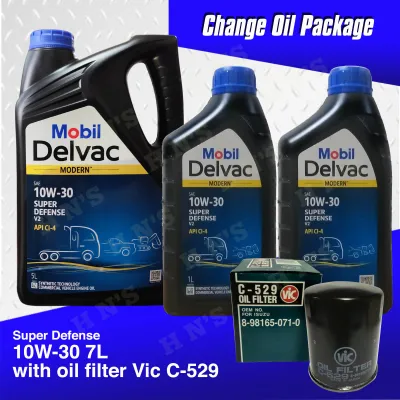
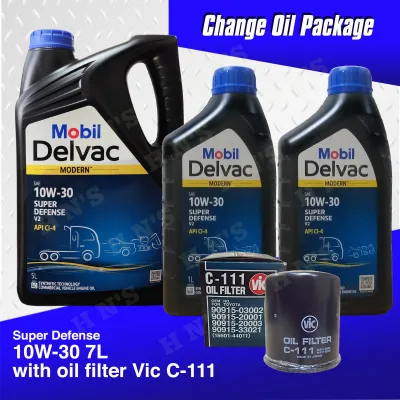
Prices are valid at publication and may change. Please refer to the product page for the latest price.
The “30” in 10W-30 represents the oil’s viscosity rating at 100 degrees Celsius, which is the standard operating temperature for most internal combustion engines. This number indicates the oil’s ability to maintain a sufficiently thick protective film between moving parts when the engine is fully warmed up. If the viscosity is too low at high temperatures, the oil film can shear, leading to metal-on-metal contact and accelerated wear on components like bearings and pistons.
It is important to clarify that a viscosity rating is solely a physical measurement of flow resistance under specific temperature conditions. It does not indicate the overall quality of the oil, the type of base stock used (such as mineral, semi-synthetic, or fully synthetic), or the specific additive packages blended into the product. Two different oils can both be rated as 10W-30 while offering vastly different levels of wear protection, soot handling, and thermal stability based on their formulation.
Is 10W-30 Suitable for Your Diesel Engine?
Determining whether 10W-30 diesel engine oil is appropriate for your vehicle requires evaluating several operational and environmental factors. The primary guide for this decision must always be the vehicle manufacturer’s specifications, which outline the acceptable viscosity ranges for different operating environments.

Diesel engines operate under significantly higher compression ratios and generate greater internal pressures than gasoline engines. They also produce soot as a byproduct of combustion, which can migrate into the crankcase and increase the viscosity of the oil over time if not properly managed. Using the correct viscosity grade ensures that the oil can flow through tight tolerances while carrying soot particles to the oil filter without clogging or shearing under extreme pressure.
In tropical regions characterized by high ambient temperatures and high humidity, such as the Philippines, the choice of viscosity is particularly critical. While a 10W-30 oil provides excellent flow during startup and is highly suitable for modern, tight-tolerance diesel engines, some older or heavy-duty diesel engines operating under continuous heavy loads may require a thicker grade, such as 15W-40, to maintain adequate oil pressure. Conversely, modern light-duty diesel passenger vehicles and utility vehicles are increasingly designed to run on lighter viscosities like 10W-30 or even 5W-30 to improve fuel efficiency and reduce internal drag.
If your daily driving involves heavy stop-and-go traffic in warm urban areas, or if you frequently haul heavy cargo, the thermal stress on your engine increases. Under these conditions, you must verify that the 10W-30 oil you choose is rated for heavy-duty diesel service and can withstand prolonged exposure to high operating temperatures without breaking down. Investing in the correct oil specification helps prevent costly engine repairs that can easily exceed ₱50,000 for major diesel component overhauls.
How to Verify Compatibility and Read Oil Labels
To ensure you are using the correct oil for your diesel engine, you must look beyond the viscosity rating on the front of the bottle and examine the technical specifications on the back label. The vehicle’s owner’s manual serves as the ultimate authority, detailing the exact viscosity grades and performance standards required for your specific engine model.
When reading the label of a 10W-30 oil bottle, look for the service classifications established by organizations like the American Petroleum Institute (API) or the European Automobile Manufacturers’ Association (ACEA). For diesel engines, the API service category will begin with the letter “C” (which stands for Commercial or Compression-ignition), such as CK-4, CJ-4, or CI-4. These standards ensure the oil contains the necessary detergents, dispersants, and anti-wear additives to handle the high soot levels and acidic combustion byproducts characteristic of diesel combustion.
Avoid using an oil that only displays gasoline-specific service ratings, such as API SP or SN, unless it also carries the corresponding diesel certification. Using a gasoline-only oil in a diesel engine can lead to rapid oil degradation, excessive deposit formation, and premature engine wear due to the lack of specialized diesel additives. Major lubricant manufacturers like Shell, Castrol, and Motul produce dedicated diesel formulations that clearly display these certifications on their packaging.
If you no longer have access to your vehicle’s owner’s manual, or if the engine has undergone significant modifications, do not guess the correct oil type. Consult a qualified mechanic or contact the vehicle manufacturer’s local service center to determine the safest oil specification for your driving conditions. This step is especially crucial if you operate commercial transport vehicles where downtime can result in significant financial losses.
Frequently Asked Questions (FAQ)
Can I mix 10W-30 with a different viscosity diesel oil?
Mixing different viscosity grades of diesel oil, such as blending 10W-30 with 15W-40, alters the overall flow characteristics of the lubricant and can compromise its protective qualities. This practice should be avoided under normal circumstances and reserved only for absolute emergencies when the oil level is dangerously low and the correct grade is unavailable. If you must mix viscosities to top up your engine, check your owner’s manual for specific manufacturer warnings and arrange for a complete oil and filter change as soon as possible to restore the correct viscosity profile.
Does 10W-30 diesel oil contain different additives than gasoline oil?
Yes, 10W-30 diesel engine oil is formulated with a significantly different additive package compared to gasoline engine oil of the same viscosity. Diesel formulations contain higher levels of detergents to neutralize acids, dispersants to keep soot particles suspended so they do not form sludge, and robust anti-wear agents to protect components under high compression. Always check the product label for diesel-specific service ratings, such as API CK-4, rather than relying solely on the 10W-30 viscosity number to ensure the oil is safe for diesel use.

Community discussion
Share your experience or ask a question. Comments are reviewed before publication.