
Choosing the right engine oil is one of the most critical decisions you can make to keep your car running smoothly, especially in a demanding tropical climate like the Philippines. While 5W-30 is one of the most widely available and recommended multi-grade oils on the market, determining if it is the correct choice for your specific gasoline engine depends entirely on your vehicle manufacturer’s specifications. Understanding what these numbers mean and how they interact with your engine’s design will help you make an informed decision at your next oil change.
Decoding the 5W-30 Viscosity Rating
The alphanumeric code on an engine oil bottle represents its viscosity grade, which is a measure of the oil’s resistance to flow at specific temperatures. Viscosity is not a measure of oil quality, purity, or cleanliness; rather, it describes how thick or thin the fluid is under different operating conditions.
The “5W” portion of the rating denotes the oil’s low-temperature flow characteristics, with the “W” standing for winter. A lower number before the W indicates that the oil remains more fluid in cold temperatures, allowing it to pump quickly through the engine during a cold start.
Products mentioned in this guide
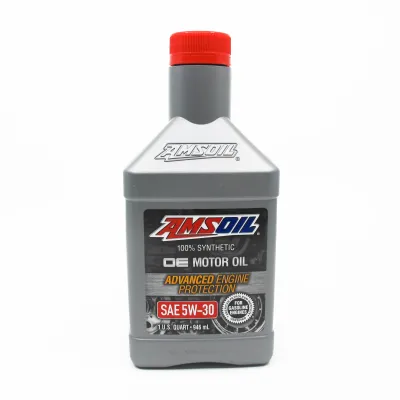
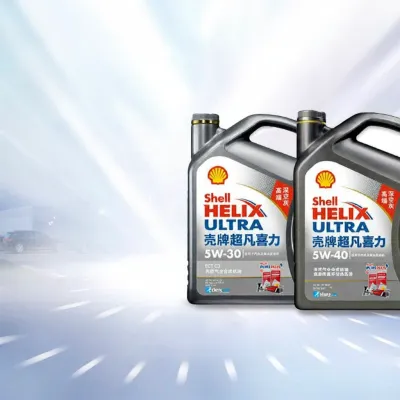
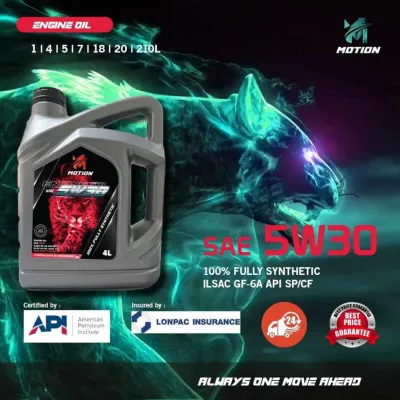
Prices are valid at publication and may change. Please refer to the product page for the latest price.
Even in a warm, tropical environment where freezing temperatures are not a concern, a lower winter rating still helps reduce friction and wear during the initial startup sequence before the engine reaches its normal operating temperature.
The “30” suffix represents the oil’s kinematic viscosity at standard engine operating temperatures, typically measured at 100 degrees Celsius. This number indicates how well the oil maintains its body and protective film under high heat.
A rating of 30 provides a balanced compromise, offering sufficient thickness to protect critical engine components like bearings and pistons while remaining thin enough to minimize internal drag and maximize mechanical efficiency.
Fully Synthetic 5W-30 for Gasoline Engines
When shopping for engine oil, you will frequently encounter fully synthetic formulations, such as a shell 5w30 fully synthetic gasoline oil or similar options from other major brands. Fully synthetic oils are engineered from highly refined base stocks, which provide superior molecular uniformity and thermal stability compared to conventional mineral oils.

This structural integrity prevents the oil from breaking down quickly under the intense heat and humidity common in daily stop-and-go traffic. It also ensures that the oil maintains its protective properties over longer service intervals.
While the base oil provides the foundation, individual manufacturers blend their own proprietary additive packages into their products. These additives are designed to clean deposits, prevent sludge buildup, and protect against wear.
Because these formulations vary, you should carefully read the product labels to compare specific cleaning or protection claims rather than relying solely on brand reputation.
To ensure a fully synthetic 5W-30 oil is suitable for your modern gasoline engine, look for current industry certifications on the bottle. The American Petroleum Institute (API) and the International Lubricant Standardization and Approval Committee (ILSAC) establish rigorous performance standards.
For modern gasoline engines, look for the API SP or ILSAC GF-6 standards, which are specifically designed to protect against low-speed pre-ignition and provide enhanced wear protection.
How to Verify If 5W-30 Fits Your Specific Vehicle
Before purchasing any engine oil, you must verify that 5W-30 is compatible with your vehicle. The definitive source for this information is always your vehicle owner’s manual or the oil filler cap located under the hood.
Automakers design engines with precise clearances between moving parts, and using an incorrect viscosity can lead to inadequate lubrication or premature component wear. If you are performing the oil change yourself, always follow the original-vehicle instructions and safety guidelines, or consult a qualified professional mechanic.
When checking your manual, look for both the recommended viscosity grade and the specific performance specifications required by the manufacturer. Some vehicles require oils that meet proprietary manufacturer standards in addition to general API or ILSAC ratings.
Matching both requirements is essential to maintain your vehicle’s warranty and ensure long-term engine health.
It is a common misconception that 5W-30 is a universal oil suitable for any modern gasoline engine simply because it is widely stocked in auto supply shops across the country. Modern engines are increasingly designed for thinner oils to meet strict fuel efficiency standards.
Assuming 5W-30 is safe without checking your manual can lead to reduced fuel economy or oil starvation in engines designed for lighter grades.
Conditions Where 5W-30 Might Not Be the Best Choice
While 5W-30 is highly versatile, there are specific scenarios where a different viscosity grade is necessary. For instance, high-mileage engines that have experienced significant wear may benefit from a slightly thicker oil or a specialized high-mileage formulation.
These oils often contain seal conditioners to help prevent leaks and maintain adequate oil pressure in older engines with wider internal clearances.
Conversely, many modern gasoline engines are engineered specifically for lower viscosity oils, such as 0W-20 or 5W-20. These engines feature extremely tight tolerances and variable valve timing systems that rely on the rapid flow of thinner oil to function correctly.
Using a thicker 5W-30 oil in these engines can restrict oil flow, increase internal drag, and ultimately reduce fuel efficiency.
Additionally, extreme driving conditions can influence your oil choice. If you frequently tow heavy loads or operate your vehicle under continuous high-load conditions in extreme heat, your manufacturer may allow or recommend a different viscosity range.
Always refer to the temperature and usage charts in your owner’s manual to determine if your driving habits warrant an alternative grade.
Frequently Asked Questions (FAQ)
Can I mix 5W-30 fully synthetic with conventional oil?
Mixing fully synthetic 5W-30 with conventional mineral oil is generally safe in emergency situations when your oil level is critically low and no synthetic oil is available. However, doing so will dilute the performance benefits of the synthetic base oil, reducing its overall thermal stability and lifespan.
If you must mix oil types to top off your engine, it is highly recommended to schedule a full oil and filter change soon afterward to restore optimal protection.
Does 5W-30 improve fuel economy compared to thicker oils?
Yes, using 5W-30 can improve fuel economy when compared to thicker viscosity grades like 10W-40 or 20W-50. Thinner oils create less fluid resistance inside the engine, allowing moving parts to rotate with less effort and reducing fuel consumption.
However, you should never use an oil thinner than what your manufacturer recommends, as the primary key to maintaining designed efficiency and protecting your engine is adhering strictly to the owner’s manual specifications.

Community discussion
Share your experience or ask a question. Comments are reviewed before publication.