
Choosing the right engine oil is critical for maintaining the longevity and performance of your diesel vehicle. When you look at a bottle of Delo Gold 15W-40, the alphanumeric code on the front label is not a random product number. It is a standardized rating that tells you exactly how the oil behaves under different temperature extremes, helping you decide if it is the correct match for your engine.
The numbers represent the oil’s viscosity, which is a measure of its resistance to flow. Thicker oils flow more slowly, while thinner oils flow more quickly. For diesel engines, which operate under immense pressure and generate significant heat, finding the correct balance of flow and thickness is essential to prevent metal-on-metal contact and premature wear.
Decoding the 15W-40 Viscosity Grade
The Society of Automotive Engineers (SAE) established the numerical system used to classify motor oils by their viscosity characteristics. In a multi-grade oil like 15W-40, the rating is divided into two distinct parts to describe how the fluid performs at both low and high temperatures.
Products mentioned in this guide
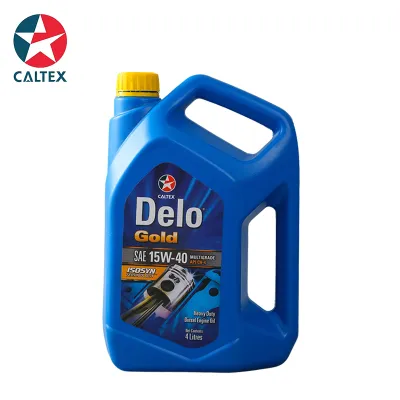
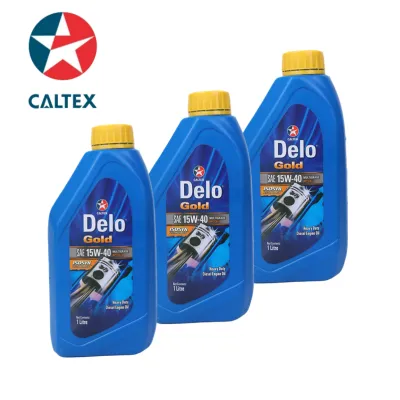
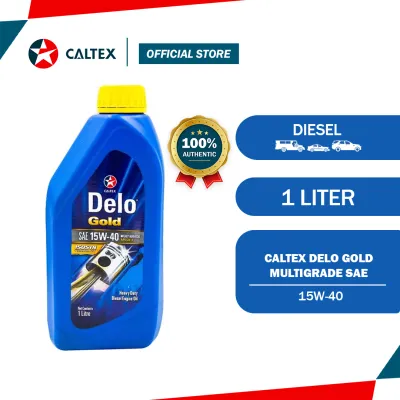
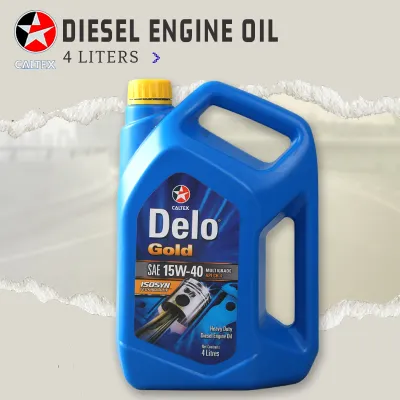
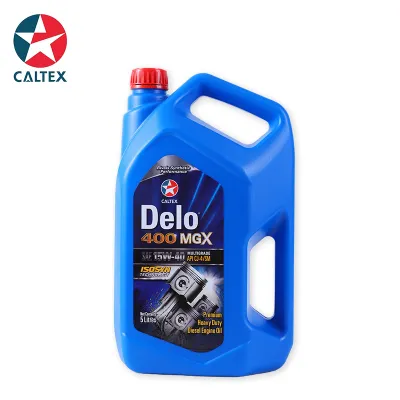
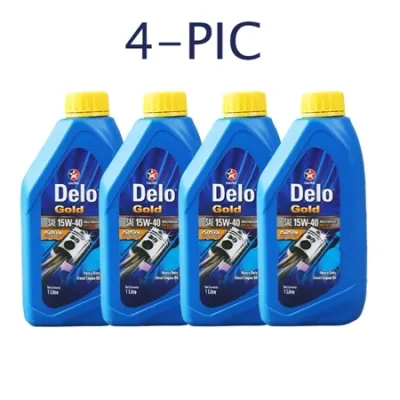
Prices are valid at publication and may change. Please refer to the product page for the latest price.
The “15W” portion of the rating describes the oil’s low-temperature viscosity, with the “W” standing for winter. This number indicates how easily the oil flows when the engine is cold, such as during a morning start-up after sitting overnight. A lower number before the “W” means the oil remains more fluid in freezing temperatures, reducing cranking resistance and allowing the oil pump to distribute lubrication quickly to critical engine components.
The second number, “40”, represents the oil’s viscosity at standard engine operating temperatures, typically measured at 100 degrees Celsius. This rating indicates the oil’s thickness and ability to resist thinning out when the engine reaches its full thermal capacity. A higher second number means the oil maintains a thicker, more robust protective barrier under intense heat.
These ratings are standardized industry measurements determined through rigorous laboratory testing. They are not proprietary marketing terms or brand-specific performance claims, meaning any oil labeled as 15W-40 must meet these exact viscosity parameters regardless of the manufacturer.
How 15W-40 Viscosity Supports Diesel Engine Protection
Diesel engines operate under significantly higher compression ratios and generate greater internal loads than gasoline engines. These demanding mechanical conditions require an oil that can withstand extreme pressures without breaking down or shearing.

The high-temperature viscosity of a 40-weight oil is specifically suited to these heavy-duty demands. When your vehicle is hauling heavy cargo, climbing steep inclines, or idling for extended periods in dense traffic, the internal components of the engine experience extreme stress. The thicker oil film of a 40-grade lubricant maintains critical clearances between moving parts, such as the pistons, crankshaft, and bearings, preventing direct metal contact.
This stable oil film acts as a cushion, absorbing mechanical shocks and reducing friction wear. In heavy-duty applications, a thinner oil might fail to maintain this barrier under peak loads, leading to accelerated component wear or localized overheating.
While the 15W-40 viscosity profile provides the physical barrier needed to protect your engine, physical thickness is only one part of the equation. The overall wear protection, soot handling, and deposit control also depend heavily on the specific additive package blended into the oil. You must verify these performance capabilities by checking the certifications printed on the product label.
Verifying if Delo Gold 15W-40 Matches Your Vehicle's Needs
Before purchasing any engine oil, your first step should always be to consult your vehicle’s owner’s manual. Manufacturers specify the exact viscosity grades approved for your specific engine model and year, taking into account the internal clearances and oil pump design.
In tropical climates like the Philippines, where ambient temperatures remain consistently warm throughout the year, a 15W cold-start rating is highly adequate. Because the region does not experience freezing winter temperatures, the oil does not need the extreme low-temperature fluidity of a 0W or 5W oil to flow safely during a cold start. The “40” rating is particularly beneficial in these warm climates, as it provides excellent protection against the high ambient heat and stop-and-go traffic conditions common in urban areas.
Engine age and usage patterns also play a significant role in your selection. High-mileage diesel engines or commercial vehicles subjected to daily heavy-duty hauling often benefit from a 15W-40 oil. As engines age, internal clearances between components can widen slightly, and a thicker 40-weight oil can help seal these gaps, maintain oil pressure, and reduce oil consumption.
However, if your modern diesel vehicle specifies a thinner viscosity grade, such as 5W-30, switching to a thicker 15W-40 could restrict oil flow through narrow passages, leading to inadequate lubrication during start-up. Always prioritize the manufacturer’s guidelines over general recommendations.
Reading the Label: Beyond Just the Viscosity Number
Viscosity is only one aspect of engine oil compatibility; you must also ensure the oil meets the correct performance standards. These standards are established by international bodies like the American Petroleum Institute (API) and the Association des Constructeurs Européens d’Automobiles (ACEA).
When examining a bottle of Delo Gold 15W-40, look for the API service symbol, often referred to as the “donut,” or the technical specifications list on the back label. For diesel engines, these ratings typically begin with the letter “C” (such as CK-4, CJ-4, or CI-4). Modern diesel engines equipped with advanced emissions systems, such as Diesel Particulate Filters (DPF), require newer specifications like API CK-4 to prevent damage to the exhaust treatment components.
You must match these service letters exactly to the minimum requirements listed in your vehicle’s manual. Using an oil with an obsolete or incorrect API classification can lead to increased emissions, filter clogging, or internal engine deposits, even if the 15W-40 viscosity rating is correct.
Never assume that a reputable brand name alone guarantees compatibility with your specific vehicle. Lubricant manufacturers produce multiple variations of their products under similar brand families, each tailored to different engine generations and emissions standards. Always verify the exact API or ACEA rating printed on the specific bottle before pouring it into your engine.
Frequently Asked Questions (FAQ)
Can I mix 15W-40 with a different viscosity oil in an emergency?
Mixing different viscosity grades should only be done as a temporary emergency measure when your oil level is dangerously low and the correct grade is unavailable. Combining 15W-40 with a thinner or thicker oil alters the overall viscosity profile, meaning the oil may no longer perform as expected at extreme temperatures. Additionally, mixing different oil brands or formulations can dilute the specific additive packages, reducing the oil’s ability to combat soot and prevent wear. If you must mix oils to top up your engine, plan to perform a complete oil and filter change as soon as possible to restore the proper lubrication characteristics.
Will switching to 15W-40 improve my fuel economy?
Switching to a thicker oil like 15W-40 is unlikely to improve your fuel economy and may actually cause a slight decrease in efficiency. Thicker lubricants create more fluid friction within the engine, requiring more energy to pump the oil and move internal components compared to thinner grades like 5W-30 or 10W-30. However, 15W-40 is designed to prioritize heavy-load engine protection, component longevity, and oil film stability under high heat rather than maximizing fuel efficiency. If fuel economy is your primary concern, consult your owner’s manual to see if a thinner, energy-conserving viscosity grade is approved for your engine and operating conditions.

Community discussion
Share your experience or ask a question. Comments are reviewed before publication.