
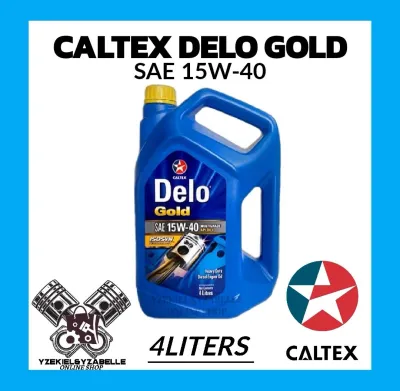
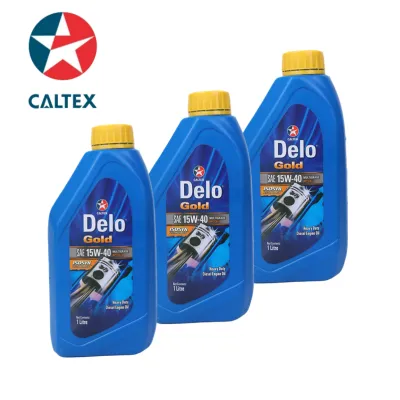
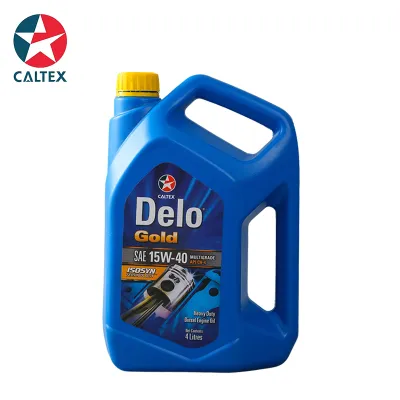
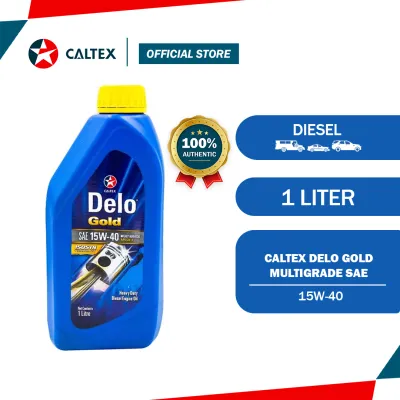
The numbers and letters printed on a bottle of Delo Gold engine oil represent standardized ratings that dictate how the oil performs under different thermal and mechanical stresses. Specifically, these markings represent the Society of Automotive Engineers (SAE) viscosity grade and the American Petroleum Institute (API) service classification. Understanding these specifications is the key to selecting an oil that will properly lubricate, cool, and protect your diesel engine. While these labels help you evaluate the product’s capabilities, the exact grade you choose must always align with your vehicle manufacturer’s explicit recommendations to ensure long-term engine health and preserve your warranty.
Decoding SAE Viscosity Numbers on Your Delo Gold Bottle
When looking at a bottle of Delo Gold, you will typically see a rating such as 15W-40 or 10W-30. This is the SAE viscosity grade, which describes the oil’s resistance to flow at both low and high temperatures. The “W” stands for winter, and the number preceding it indicates the oil’s cold-flow properties. A lower winter number means the oil remains more fluid at cold starts, allowing the oil pump to distribute lubrication rapidly to critical engine components during those first crucial seconds of operation. Even in a tropical climate like the Philippines, where freezing temperatures are not a concern, a lower winter rating still assists with easier starting and faster initial oil pressure buildup after the vehicle has been sitting overnight.
The second number, which follows the hyphen, represents the oil’s viscosity at the engine’s normal operating temperature, typically measured at 100 degrees Celsius. A higher second number, such as 40, indicates a thicker, more robust oil film that can withstand intense heat and heavy mechanical loads without thinning out excessively. Conversely, a lower number like 30 flows more easily at operating temperature, which can reduce internal engine drag and slightly improve fuel efficiency, provided the engine’s clearances are designed for it.
Products mentioned in this guide
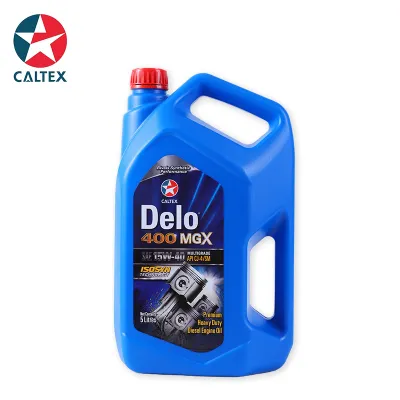
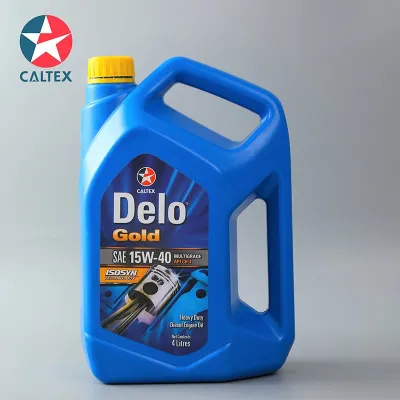
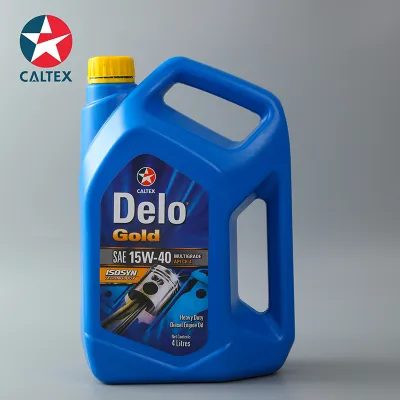
Prices are valid at publication and may change. Please refer to the product page for the latest price.
Modern multi-grade formulations like Delo Gold achieve this dual-temperature performance through the use of viscosity index improvers. These polymer additives expand as the oil heats up, preventing the fluid from thinning out too rapidly, and contract as it cools, keeping the oil fluid. This adaptability ensures that your diesel engine receives consistent protection whether you are starting the vehicle first thing in the morning or hauling a heavy load under the midday sun.
Reading API Service Classifications for Diesel Protection
Beyond viscosity, your diesel engine requires an oil that can handle the unique chemical byproducts of diesel combustion, such as soot, acids, and high-temperature deposits. This performance level is defined by the API service classification, which you will find in the donut-shaped symbol or the specifications list on the back of the Delo Gold bottle. For diesel engines, this classification always begins with the letter “C,” which stands for Commercial or Compression-ignition.

The second letter in the API code indicates the generation of the standard. For example, in classifications like CH-4, CI-4, or CK-4, the letters progress alphabetically. A later letter in the alphabet signifies a newer, more stringent standard designed to meet the demands of modern engine technologies, such as advanced exhaust gas recirculation (EGR) systems, diesel particulate filters (DPF), and selective catalytic reduction (SCR) systems. These newer standards offer improved oxidation stability, better soot handling, and enhanced wear protection compared to older classifications.
While newer API classifications are generally backward compatible—meaning a CK-4 oil can typically be used in an older engine that originally required a CH-4 or CI-4 oil—you must always verify the exact requirements of your specific engine. Some older engines or specialized industrial diesel systems may have specific metallurgical or fuel-sulfur requirements that dictate a particular API grade. Always cross-reference the API service category printed on the Delo Gold bottle with the specifications listed in your vehicle’s owner’s manual to ensure complete compatibility.
Matching the Delo Gold Label to Your Diesel Engine's Needs
Selecting the right Delo Gold product requires a systematic approach that begins with your vehicle’s documentation. Your first step should always be to consult the owner’s manual or check the physical oil filler cap under the hood. Manufacturers explicitly state the required SAE viscosity and API classification based on the engine’s design clearances, oil pump capacity, and emissions equipment.
Once you know the manufacturer’s baseline requirements, consider your typical driving conditions. In the Philippines, diesel vehicles often face severe operating environments. Stop-and-go traffic in congested urban areas, prolonged idling with the air conditioning running, and navigating steep terrain under heavy loads all generate substantial engine heat. If your manufacturer allows a range of viscosities—such as both 10W-30 and 15W-40—you might opt for the higher viscosity grade (like 15W-40) to provide a more durable protective barrier against the extreme ambient heat and heavy-duty cycles. Conversely, if you primarily drive a modern light-duty diesel utility vehicle that specifies a lower viscosity for fuel economy, sticking to that exact lower grade is essential.
Before purchasing any engine oil, physically inspect the Delo Gold bottle to confirm that it displays the exact specifications your vehicle requires. Do not rely solely on the product name or general category. Check the back label for the precise SAE viscosity rating and the API donut to ensure the service classification meets or exceeds your OEM requirements. If you are performing the oil change yourself, always observe proper safety protocols: allow the engine to cool sufficiently to avoid burns, use jack stands if raising the vehicle, and dispose of the used oil and filter at an authorized recycling center.
Frequently Asked Questions (FAQ)
Can I mix different Delo Gold viscosity grades in an emergency?
Mixing different viscosity grades or API classifications of Delo Gold should only be done as a temporary, emergency measure to prevent your engine from running dry. When you mix different grades, you alter the overall viscosity profile and potentially disrupt the balance of the additive packages formulated for each specific oil. This can compromise the oil’s ability to protect your engine under high loads. If you must top up with a different grade to reach safety, treat it as a temporary fix. Plan to perform a complete oil and filter change as soon as possible to restore the consistent, uniform protection of a single, correct grade.
What happens if I use a higher or lower viscosity than recommended?
Deviating from your manufacturer’s recommended viscosity can lead to serious mechanical issues. If you use an oil that is too thick (higher viscosity than recommended), the oil may not circulate quickly enough during cold starts, leading to temporary starvation of critical components. It also increases internal drag, which raises engine operating temperatures and reduces fuel efficiency. If you use an oil that is too thin (lower viscosity than recommended), the oil film may fail to keep metal surfaces separated under heavy loads or high temperatures, resulting in accelerated wear on bearings, pistons, and camshafts. Always adhere strictly to the OEM-specified grade to maintain engine longevity and keep your warranty valid.

Community discussion
Share your experience or ask a question. Comments are reviewed before publication.