
Brake fluid is the lifeblood of your vehicle’s braking system, translating the pressure of your foot on the pedal into the stopping force that halts your car. Among the various classifications, DOT 4 is one of the most common brake fluid specifications used in modern passenger vehicles. Understanding what DOT 4 means requires looking closely at its temperature thresholds, how it handles moisture in humid tropical climates, and how it interacts with your vehicle’s specific braking components.
Decoding DOT 4 Specifications: Dry vs. Wet Boiling Points
When you press your brake pedal, the friction between the brake pads and rotors generates intense heat, which transfers directly into the brake fluid. If the fluid reaches its boiling point, it vaporizes, creating gas bubbles that compress easily and cause a spongy pedal or complete brake failure. To prevent this, brake fluids are rated by two critical temperature thresholds: the dry boiling point and the wet boiling point.
The dry boiling point refers to the temperature at which brand-new, uncontaminated fluid from a freshly sealed container will boil. This rating represents the fluid’s peak performance level before it has been exposed to the atmosphere. Once the fluid is introduced into the vehicle, it begins to absorb moisture, which gradually lowers its boiling point.
Products mentioned in this guide
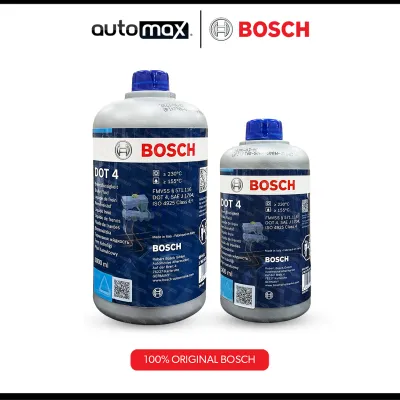
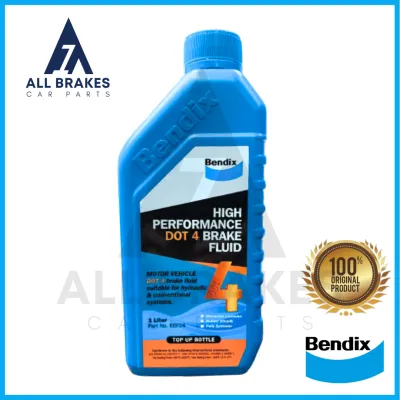
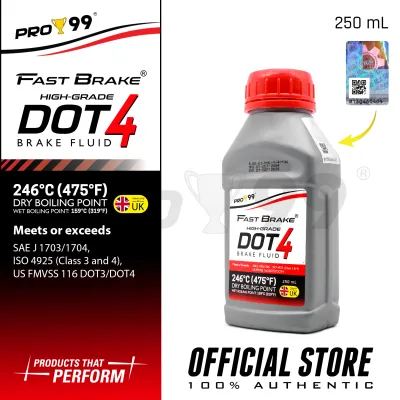
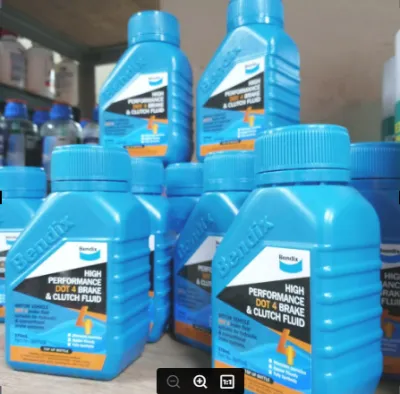
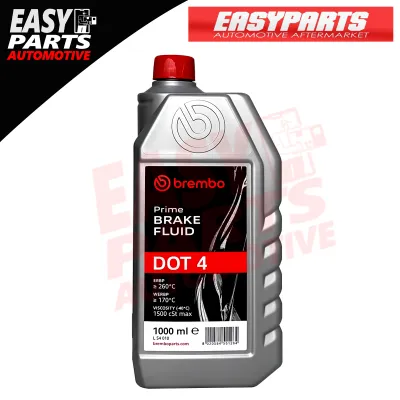
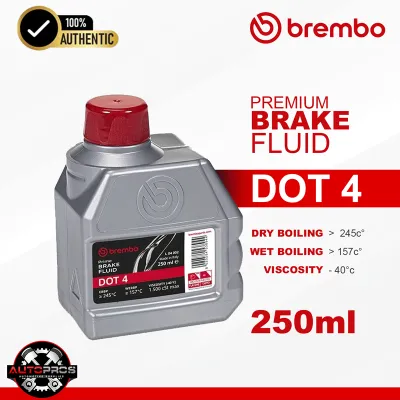
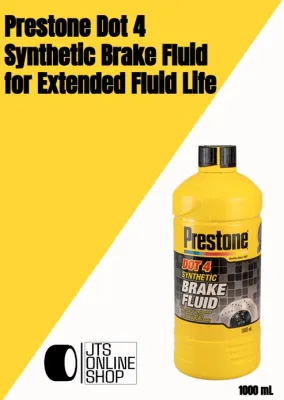
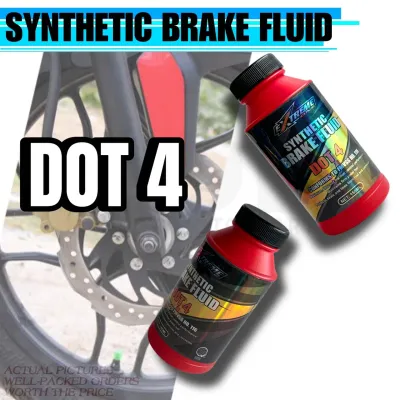
Prices are valid at publication and may change. Please refer to the product page for the latest price.
The wet boiling point is the temperature at which the fluid boils after it has absorbed a specific percentage of water (typically around 3.7% by volume). In everyday driving, especially under heavy loads, steep descents, or sustained stop-and-go traffic, the wet boiling point is the most critical safety metric. It represents the real-world performance of the fluid after it has been in your braking system for several months or years.
Because different manufacturers formulate their products with varying chemical additives, you should always check the exact temperature ratings printed on the product label. Compare these numbers against the minimum thresholds specified in your vehicle’s owner’s manual to ensure the fluid meets or exceeds your car’s requirements.
Moisture Absorption and Maintenance Intervals
DOT 4 is a polyglycol-based fluid, which means it is naturally hygroscopic. This chemical property causes the fluid to actively absorb moisture from the surrounding atmosphere over time. Even in a sealed braking system, water vapor slowly penetrates through microscopic pores in the rubber brake hoses, seals, and the reservoir cap vent.

In highly humid environments, such as the tropical climate of the Philippines, this moisture absorption process can occur more rapidly. As water content accumulates in the brake fluid, the effective boiling point drops significantly. Under heavy braking conditions, the heat can cause this absorbed water to turn into steam, leading to a dangerous condition known as vapor lock, where the brake pedal goes to the floor without slowing the vehicle.
To maintain safety, you must adhere to regular fluid replacement intervals rather than waiting for symptoms to appear. While some drivers rely on visual color changes to judge fluid health, a dark color does not accurately measure water content. A dark fluid indicates contamination or oxidation, but clear fluid can still hold a dangerous amount of moisture.
The most reliable way to determine replacement timing is to follow your vehicle manufacturer’s maintenance schedule. Alternatively, you can use a digital brake fluid moisture tester pen to measure the exact water percentage in the reservoir. If the tester indicates a water content approaching or exceeding the manufacturer’s limit, the system requires a complete flush.
Evaluating Vehicle Compatibility and Mixing Rules
Before purchasing any brake fluid, you must verify your vehicle’s exact requirements. This information is typically stamped directly onto the brake fluid reservoir cap in the engine bay or detailed in the vehicle’s owner’s manual. Using a fluid that does not match the manufacturer’s specifications can compromise your braking performance and safety.
In general, glycol-based fluids like DOT 3, DOT 4, and DOT 5.1 share a similar chemical base and can technically be mixed in an emergency. However, doing so alters the overall boiling point of the system, usually reducing it to the level of the lowest-performing fluid in the mix. If your vehicle requires DOT 4, topping it up with DOT 3 lowers the boiling point and reduces your safety margin under high-heat conditions.
You must never mix DOT 4 with DOT 5 brake fluid. DOT 5 is a silicone-based fluid that does not mix with glycol-based fluids. Combining them causes the fluids to separate, creates a thick sludge that can clog internal valves, and leads to rapid swelling or destruction of the rubber seals in your braking system, resulting in complete brake failure.
If you are upgrading your fluid or changing types, a complete system flush is necessary to remove all traces of the old fluid. Always consult your vehicle’s documentation to confirm if your braking system, including the anti-lock braking system (ABS) valves, is compatible with the chemical properties of the new fluid.
Practical Selection and Safety Checks
When purchasing DOT 4 brake fluid from an auto parts store or an online marketplace, always inspect the physical packaging carefully. Ensure the factory foil seal under the cap is completely intact and shows no signs of tampering or leakage. A broken seal means the fluid has already been exposed to atmospheric humidity and may have lost its dry boiling point advantages before even entering your car.
Look for recognized safety standards and compliance markings on the product label, such as FMVSS 116, ISO 4925, or SAE J1704. These markings verify that the fluid has been manufactured to meet strict international safety and performance standards. Avoid products that lack clear certification labels or detailed manufacturer information.
While basic top-ups are straightforward, performing a full brake fluid flush or bleeding the system involves specific safety risks. If your vehicle is equipped with a complex ABS or electronic stability control (ESC) module, bleeding the system often requires specialized diagnostic scan tools to cycle the internal valves.
If you observe any leaks around the master cylinder, calipers, or brake lines, or if you are unsure of the correct bleeding procedure, stop immediately. In these situations, or if the correct fluid specification remains unclear, always consult a qualified professional mechanic to perform the service safely.
Frequently Asked Questions (FAQ)
Can I use DOT 4 instead of DOT 3 in my car?
While DOT 4 generally offers higher dry and wet boiling points than DOT 3, your vehicle manufacturer’s specification is the final authority. In many modern vehicles, DOT 4 can serve as an upgrade for a system designed for DOT 3. However, some older vehicles may have internal rubber seals or hoses that are sensitive to the specific chemical additives used in DOT 4 formulations. Always check your owner’s manual or consult a professional mechanic before switching specifications to ensure complete compatibility.
How do I know if my DOT 4 brake fluid needs replacing?
The most accurate way to know if your DOT 4 brake fluid needs replacing is to use a dedicated electronic brake fluid moisture tester to measure the water percentage. You should also strictly follow the time or mileage intervals recommended in your vehicle’s maintenance schedule. Visual inspection is not a reliable method, as brake fluid can absorb a dangerous amount of moisture and lower its boiling point significantly while still appearing relatively clear and clean.

Community discussion
Share your experience or ask a question. Comments are reviewed before publication.