
Riding a classic motorcycle or a modern retro scooter through the bustling streets of Manila or along the scenic highways of Rizal requires gear that matches your style without compromising your safety. The iconic bubble lens retro helmet has become a staple for riders who love vintage aesthetics, but navigating the safety certifications can be confusing. To ride legally and safely on public roads in the Philippines, your helmet must carry either a Philippine Standard (PS) mark or an Import Commodity Clearance (ICC) sticker.
While you might also see Singapore’s Product Standards Board (PSB) mark on premium imported helmets, understanding how these certifications interact is crucial before you make a purchase. Ensuring your helmet is certified guarantees that both the protective shell and the distinctive curved visor can withstand the hazards of daily riding.
What the PS and ICC Marks Mean for Motorcycle Helmets
The Philippine Standard (PS) mark and the Import Commodity Clearance (ICC) sticker are the official seals of safety and compliance recognized by the Philippine government. Administered by the Bureau of Philippine Standards (BPS) under the Department of Trade and Industry (DTI), these marks prove that a helmet model has undergone rigorous laboratory testing to protect your head during an impact.
Products mentioned in this guide
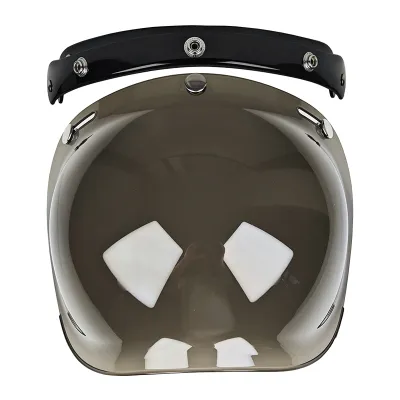
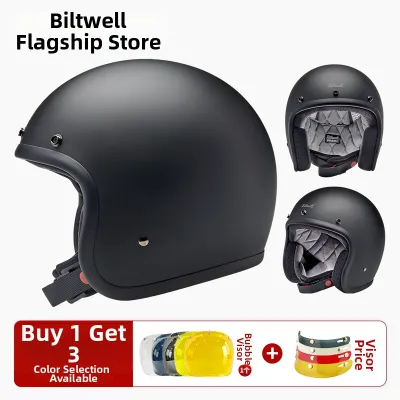
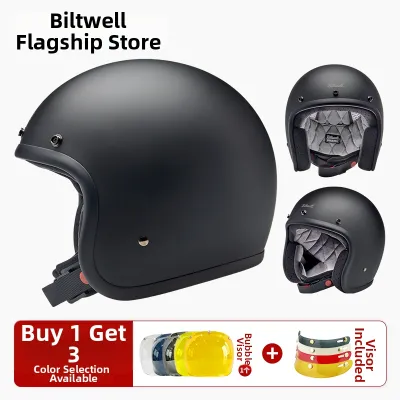
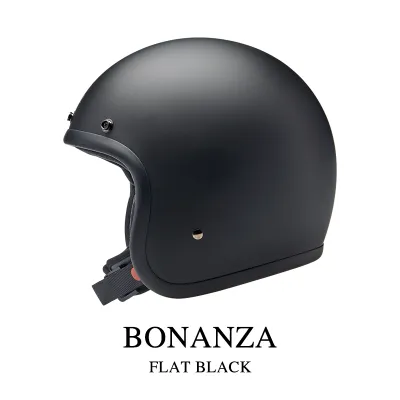
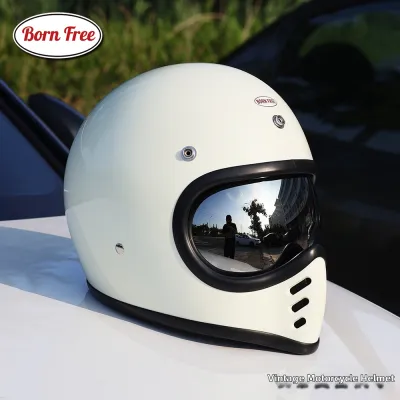
Prices are valid at publication and may change. Please refer to the product page for the latest price.
The PS mark is specifically issued to motorcycle helmets manufactured locally in the Philippines. To earn this mark, local manufacturers must subject their production lines and finished products to regular audits and performance tests, ensuring every batch meets the national standards for shock absorption, penetration resistance, and chin strap strength.
Conversely, the ICC sticker is pasted on imported motorcycle helmets that enter the Philippine market. Because these helmets are manufactured abroad, they must undergo representative sampling and testing upon arrival to ensure they meet the exact same safety benchmarks as locally made gear before they are cleared for retail sale.
Riders often encounter the PSB certification on high-quality retro helmets imported from Singapore or neighboring Southeast Asian markets. The PSB mark indicates that the helmet complies with Singapore’s stringent safety standards; however, it is important to know that a PSB mark alone does not grant legal compliance on Philippine roads. If you buy an imported helmet with a PSB mark, it must still carry an official ICC sticker to be considered fully legal for road use in the Philippines.
Why Certifications Matter for Retro Helmets with Bubble Lenses
A common misconception among classic bike enthusiasts is that retro, cafe racer, or open-face helmets are exempt from strict safety regulations because they are designed for casual, low-speed cruising. In reality, the physical forces of a road accident do not change based on the style of your motorcycle, making certified protection mandatory for every rider on public roads.

When a helmet receives a PS or ICC certification, the testing process evaluates the entire unit as a cohesive safety system. This means the outer shell, the protective expanded polystyrene (EPS) inner liner, the retention chin strap, and the visor are all tested together to ensure they do not fail under sudden stress.
The bubble lens itself is a critical component of this safety ecosystem. Unlike flat visors, the highly curved design of a bubble lens requires precise manufacturing to prevent optical distortion while maintaining high impact resistance. Certification ensures that the bubble visor can withstand flying pebbles, road debris, and heavy wind pressure without shattering or popping off the helmet frame.
Riding with an uncertified retro helmet—often sold cheaply as “novelty” gear—exposes you to severe safety and financial risks. In the event of a crash, uncertified shells can easily crack, and low-grade bubble lenses can shatter directly into your face, while non-compliant chin straps may snap, leaving your head completely unprotected.
How to Verify Authentic PS and ICC Marks When Buying
Protecting yourself from counterfeit safety gear requires a close physical inspection of the helmet before handing over your hard-earned pesos. Authentic PS and ICC marks are not just random stickers; they have specific characteristics and placements that reputable manufacturers adhere to.
Start by looking at the back of the helmet shell, where the ICC sticker is typically affixed. Authentic ICC stickers feature a distinct holographic background that glimmers when tilted under light, clear and crisp printing, and a unique serial number that is registered with the DTI.
The PS mark, on the other hand, is usually found as a permanent sticker on the helmet shell or printed directly onto the inner comfort liner alongside the manufacturer’s label. This label should also display essential details, including the brand name, specific model designation, helmet size, and the exact date of manufacture.
Be highly suspicious of stickers that look easily peelable, have blurry logos, or exhibit mismatched serial numbers. Counterfeiters frequently buy cheap, uncertified retro helmets online and slap fake, mass-produced ICC stickers on them to deceive buyers.
To guarantee authenticity, cross-reference the physical tags with the helmet itself. The model name and size printed on the internal comfort liner must match the details on the packaging and the official certification documentation. You can also verify the brand’s certification status by checking the updated list of approved helmet manufacturers and importers on the official DTI Bureau of Philippine Standards website.
Bubble Lens Specifications and Safety Considerations
Beyond legal compliance, the physical specifications of your bubble lens directly impact your daily comfort and safety under the unique driving conditions of the Philippines. A high-quality bubble lens must balance vintage style with modern optical engineering.
Optical clarity is paramount when navigating dense traffic in urban areas like Metro Manila or Cebu. Poorly manufactured bubble lenses can warp your peripheral vision, making it difficult to judge distances accurately or spot sudden lane changes from adjacent vehicles. Always look through the lens before buying to check for any warping or distortion.
The tropical climate of the Philippines also demands specific lens treatments. Ensure the product label specifies scratch resistance and UV protection, which help prevent the lens from yellowing under intense sunlight and maintain clear visibility during sudden afternoon downpours.
It is crucial to understand the limitations of safety certifications like PS and ICC. While these marks guarantee that the bubble lens meets strict impact and optical standards, they do not guarantee that the lens will remain free of fog. High humidity and heavy rain can cause moisture to build up rapidly on the inside of your visor when you are stopped at intersections.
To keep your bubble lens in optimal condition, always follow the manufacturer’s care label for cleaning. Avoid using harsh household glass cleaners or dishwashing soaps, as their chemical formulas can strip away delicate UV and scratch-resistant coatings. Instead, clean the lens using mild soap, lukewarm water, and a clean microfiber cloth to preserve its clarity and protective features.
Frequently Asked Questions (FAQ)
Can I legally ride with an uncertified retro helmet in the Philippines?
No, it is illegal to ride a motorcycle on any public road in the Philippines without a certified helmet. All riders and passengers must wear protective helmets that bear the official PS or ICC mark, regardless of whether the helmet features a classic, retro, or modern design. Using an uncertified novelty helmet can result in traffic citations, heavy fines, or vehicle impoundment by the Land Transportation Office (LTO) or local traffic enforcers.
Does the PS or ICC mark guarantee the bubble lens will not fog up?
No, the PS and ICC certifications only verify structural integrity, impact resistance, and optical clarity under standard conditions; they do not test for environmental fogging. To manage fogging in hot, humid weather, check if your helmet manufacturer offers a compatible anti-fog insert or use mild, manufacturer-approved anti-fog visor sprays. Always verify that any aftermarket treatment is safe for your specific bubble lens material to avoid damaging its protective coatings.

Community discussion
Share your experience or ask a question. Comments are reviewed before publication.