
Riding a motorcycle through the busy streets of the Philippines requires reliable safety gear, with a certified full-face motorcycle helmet being your primary line of defense. To ensure these helmets can withstand real-world impacts, the Philippine government mandates specific safety certifications: the Philippine Standard (PS) quality mark—often referred to locally as the PSB mark—and the Import Clearance Certificate (ICC) sticker. Understanding what these labels mean, how to verify them, and why they are legally required is essential for every rider looking to stay safe and compliant on the road.
What the PSB and ICC Marks Mean
When shopping for a full face motorcycle helmet, you will encounter two distinct certification marks that signify compliance with national safety standards. While they serve the same ultimate goal of protecting your head during an impact, they apply to different manufacturing origins.
The Philippine Standard (PS) mark, commonly associated with the Bureau of Philippine Standards (BPS), is issued for helmets that are manufactured locally. This mark indicates that the domestic production facility and the helmets themselves have undergone rigorous quality audits and testing to meet the country’s established safety specifications.
Products mentioned in this guide
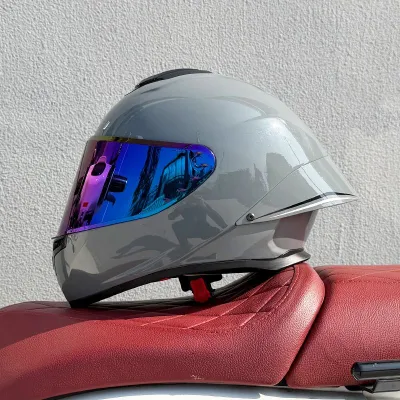
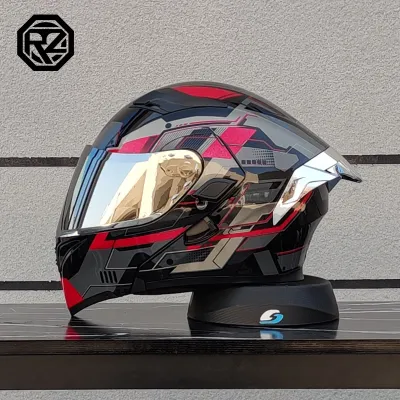
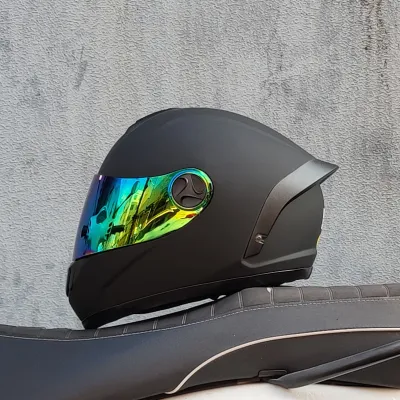
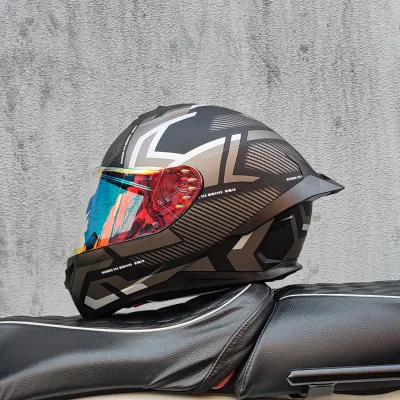
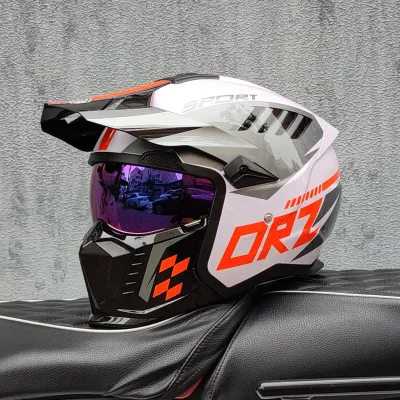
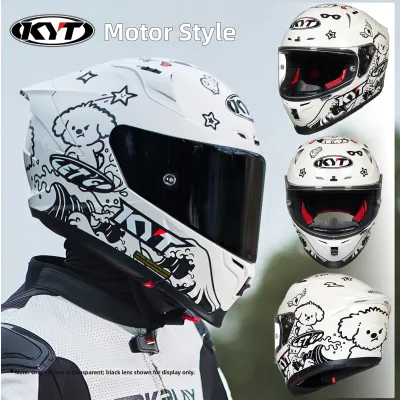
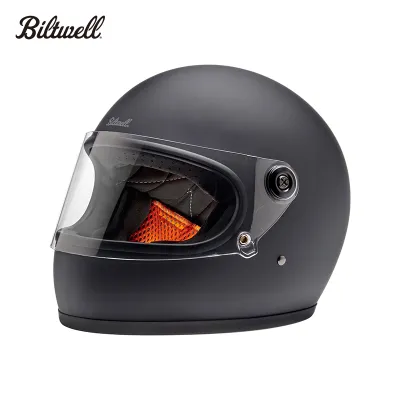
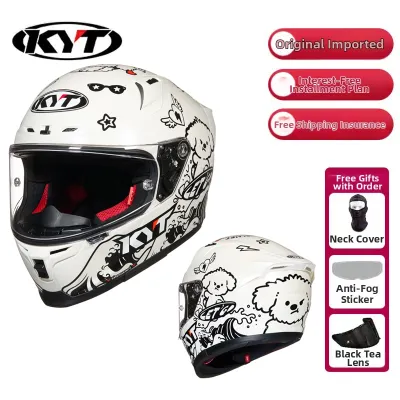
Prices are valid at publication and may change. Please refer to the product page for the latest price.
Conversely, the Import Clearance Certificate (ICC) mark is mandatory for all imported helmets entering the local market. Since many popular helmet brands are manufactured abroad, importers must secure this clearance to prove that the specific batches of helmets meet equivalent local safety and performance standards before they can be legally distributed.
Together, these two marks serve as the baseline legal requirement for helmet roadworthiness in the country. Whether a helmet carries a PS mark or an ICC sticker, both certifications assure riders that the protective gear has been evaluated for structural integrity, impact absorption, and strap retention.
How to Identify Genuine Certification Marks on a Full-Face Helmet
With counterfeit safety gear circulating in the market, knowing how to spot authentic certification marks is a critical skill for every motorcyclist. Legitimate labels are designed with specific security features to prevent tampering and reproduction.

On a compliant full-face motorcycle helmet, you will typically find the physical sticker or mark affixed to the back exterior of the helmet shell or on the protective EPS liner inside. The sticker should be firmly adhered, and any attempt to peel it off should cause the label to tear or show signs of damage, as they are designed to be tamper-evident.
Genuine ICC stickers feature unique serial numbers, holographic elements, and specific color gradients that are difficult for counterfeiters to replicate. The print quality on authentic labels is sharp and clear, with no blurry text, misaligned logos, or fading colors.
If you suspect a label is fake, you can verify its authenticity by checking the manufacturer’s documentation or consulting the official registry of certified brands provided by the Department of Trade and Industry (DTI). Authorized dealers should also be able to provide the corresponding clearance certificates for the specific helmet model you are purchasing.
Legal and Safety Implications of Non-Compliant Helmets
Riding with an uncertified helmet poses severe risks that extend far beyond simple traffic violations. The legal framework in the Philippines strictly penalizes the use of non-compliant protective gear to reduce road fatalities.
From a legal standpoint, traffic law enforcement officers regularly conduct checkpoints to inspect helmet compliance. Riding with a helmet that lacks a genuine PS or ICC mark can lead to steep fines, traffic citations, and even the temporary confiscation of your license or riding gear under national helmet laws.
From a safety perspective, uncertified helmets often use substandard materials that fail to absorb impact energy during a crash. Without undergoing the mandatory testing for penetration resistance, shell rigidity, and chin strap strength, these helmets may crack or fly off during an accident, offering little to no protection.
Additionally, using non-compliant safety gear can complicate financial recovery after an accident. Insurance providers may review police reports and equipment specifications following a collision, and riding with an uncertified helmet could serve as grounds to deny or reduce personal accident insurance claims.
Buyer’s Checklist for a Compliant Full-Face Motorcycle Helmet
To ensure your next helmet purchase is both legal and safe, follow a systematic verification process before handing over your payment. This checklist helps filter out substandard products in physical stores and digital spaces.
First, physically inspect the helmet for an intact, clearly printed PS or ICC label. Run your fingers over the sticker to check for a smooth, professional finish, and ensure the serial number is legible and does not look printed from a home inkjet printer.
Second, always buy from authorized physical retail stores or official brand outlets. Request an official receipt and check if the packaging includes the original user manual, warranty card, and manufacturer specifications that match the helmet model.
Third, cross-reference the helmet model with the official list of certified helmet brands published by the Bureau of Philippine Standards. If a specific model or brand is not listed as certified, it is best to choose an alternative that is officially recognized.
Finally, exercise extreme caution when browsing online marketplaces. Avoid purchasing from unverified third-party sellers offering high-end helmet designs at suspiciously low prices, as these are often counterfeit replicas carrying fake certification stickers.
Frequently Asked Questions (FAQ)
Can I use a helmet with only DOT or ECE certification in the Philippines?
While Department of Transportation (DOT) standards from the United States and Economic Commission for Europe (ECE) standards are highly respected international safety benchmarks, they do not automatically grant legal compliance in the Philippines. Local road laws specifically mandate either a PS or an ICC certification mark for a helmet to be considered legally roadworthy.
If you purchase an imported helmet that carries a DOT or ECE certification, you must ensure it also has a valid ICC sticker affixed to it. Importers of these high-quality international helmets must still go through the local clearance process to obtain the physical ICC sticker, which legally bridges the foreign safety standard to local compliance.

Community discussion
Share your experience or ask a question. Comments are reviewed before publication.