
When an ignition coil fails, your engine will immediately let you know through rough idling, sudden misfires, decreased fuel efficiency, or a persistent check engine light. Resolving this issue requires choosing between a universal replacement coil and a vehicle-specific (OEM or OEM-equivalent) part. This decision directly impacts your vehicle’s reliability, your repair budget, and the safety of your engine’s sensitive electronic control unit (ECU). While vehicle-specific coils offer plug-and-play convenience and guaranteed compatibility, universal coils can sometimes provide a cost-effective alternative for older vehicles or custom projects. Understanding the physical, electrical, and practical differences between these two options is essential to making an informed purchase that keeps your vehicle running smoothly.
Understanding the Core Design Differences
To make the right choice, you must first understand how these two types of ignition coils differ in physical construction and internal engineering. Vehicle-specific ignition coils are custom-tailored to match the exact dimensions, mounting brackets, and connector shapes of a particular engine family. This precise engineering ensures that the coil fits securely over the spark plug, sealing out moisture while maintaining a direct electrical connection. Internally, these coils are wound with specific primary-to-secondary wire ratios designed to deliver the exact voltage required by your vehicle’s factory ignition system.
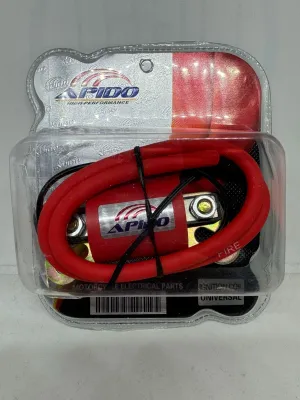
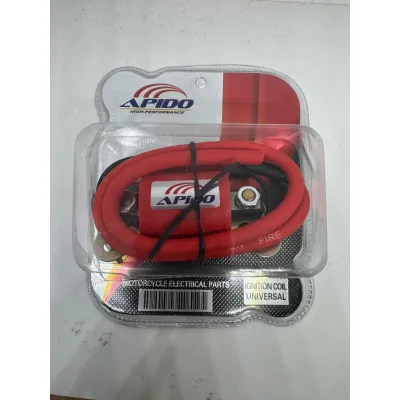
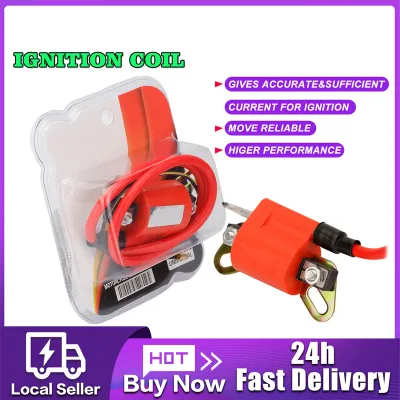
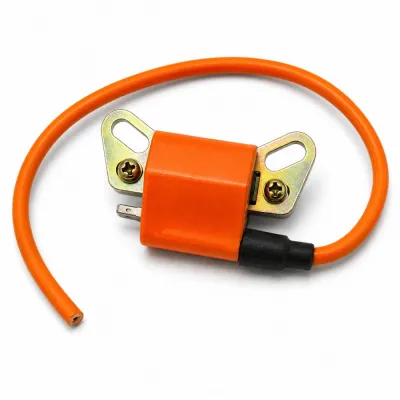
In contrast, universal ignition coils are designed with a one-size-fits-many philosophy. They typically feature generic outer housings, standard mounting tabs, and basic electrical terminals rather than model-specific plug connectors. Installing a universal coil often requires you to fabricate custom mounting brackets, splice into the factory wiring harness, or use specialized adapter leads. Furthermore, because they are built for a wide range of applications, their internal winding ratios and impedance levels may not perfectly align with the specific requirements of your vehicle’s ignition system.
Products mentioned in this guide
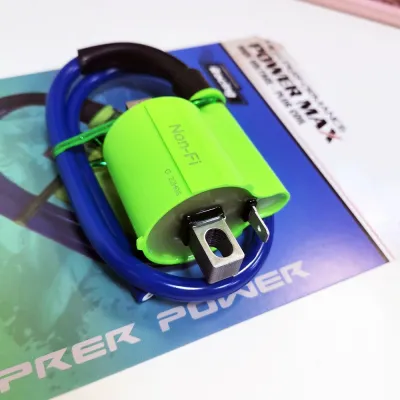
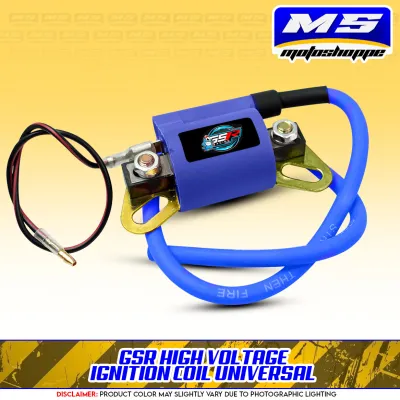
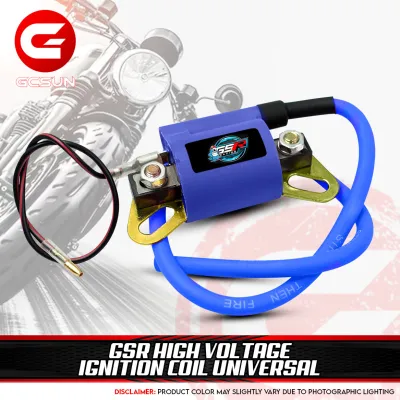
Prices are valid at publication and may change. Please refer to the product page for the latest price.
The way each coil type interfaces with the ECU is another critical design distinction. Modern vehicles rely on the ECU to precisely control the ignition coil’s dwell time, which is the duration the coil is allowed to charge before releasing its high-voltage spark. Vehicle-specific coils are designed to match the exact electrical impedance that the ECU expects. A universal coil, however, may have a different internal resistance, which can alter the current flow and potentially disrupt the delicate timing signals managed by the engine computer.
Fitment and Electrical Compatibility Checks
Before purchasing any replacement ignition coil, you must perform a series of rigorous fitment and electrical compatibility checks to avoid buying an unusable part. The most reliable starting point is to locate the original equipment manufacturer (OEM) part number stamped on the body of your existing coil. Cross-referencing this number with the replacement part’s compatibility database is the best way to ensure a proper match.

Physical inspection is equally important and should not be overlooked. Carefully count the number of pins inside the electrical connector of your old coil and compare it to the replacement option. Even if a connector shell looks identical from the outside, the internal pin configuration or the plastic alignment keys may differ, preventing the harness from plugging in securely. Additionally, measure the overall length of the coil boot and the mounting hole spacing to ensure the new part will physically sit flush on the engine cylinder head.
Electrical compatibility goes far beyond physical dimensions. You must verify the primary and secondary resistance values of the replacement coil against the specifications listed in your vehicle’s official service manual. Using a digital multimeter, you can measure the primary resistance across the low-voltage input terminals and the secondary resistance between the high-voltage output and the ground. If these values do not fall within the manufacturer’s specified tolerances, the coil should not be installed.
Never assume that a matching connector shape or a successful physical fit guarantees electrical compatibility with your ECU. An incorrect resistance value can cause the coil to draw too much current or produce an unstable spark. If your vehicle’s wiring harness has been previously modified, repaired, or altered by a previous owner, standard compatibility charts may no longer apply. In such cases, it is highly recommended to consult a reliable parts catalog or a qualified automotive technician to verify the wiring configuration before purchasing a new coil.
Performance Expectations and Safety Boundaries
Installing an ignition coil that is not electrically matched to your vehicle carries significant operational risks and safety concerns. If the replacement coil’s primary resistance is too low, it will draw excessive current from the ECU’s ignition drivers. This electrical overload can cause the drivers to overheat and fail, resulting in a costly ECU replacement. Conversely, a coil with excessive resistance will produce a weak spark, leading to persistent engine misfires, poor fuel economy, unburned fuel entering the catalytic converter, or blown ignition fuses.
Build quality and environmental resilience are also critical factors to consider, particularly under the demanding driving conditions in the Philippines. The combination of intense tropical heat, high humidity, and heavy seasonal rainfall puts extreme stress on electrical components. When evaluating ignition coils, review the product labels and manufacturer specifications for high-quality epoxy insulation, robust heat management designs, and vibration resistance ratings. Poorly insulated coils are highly susceptible to moisture intrusion and thermal cracking, which can lead to internal short circuits and sudden engine stalling.
Working on an automotive ignition system involves handling high-voltage components that can deliver a dangerous electrical shock. Always disconnect the vehicle’s negative battery terminal before attempting to inspect, remove, or install an ignition coil. Refer to your vehicle’s original service manual for specific safety instructions, torque specifications for mounting bolts, and proper handling procedures for electrical connectors.
Establish strict safety boundaries during the installation process. If you discover that installing a universal coil requires cutting, splicing, or otherwise modifying the factory wiring harness, stop the installation immediately and consult a professional. If the check engine light remains illuminated after installing the new coil, or if you notice the coil body becoming abnormally hot to the touch during operation, turn off the engine immediately. These symptoms indicate an electrical mismatch or an installation error that requires professional diagnostic equipment to resolve safely.
Cost, Value, and Sourcing in the Philippines
When deciding between universal and vehicle-specific ignition coils, it is important to weigh the upfront purchase price against the long-term value and potential hidden costs. In the Philippines, universal ignition coils are often marketed as a budget-friendly option, with prices typically ranging from ₱500 to ₱1,500. Vehicle-specific or OEM-equivalent coils generally command a premium, often costing between ₱2,000 and ₱6,000 or more depending on the vehicle’s make, model, and engine complexity.
However, the lower initial cost of a universal coil can be highly deceptive. If the universal part requires custom mounting brackets, wiring adapters, or professional labor to modify the vehicle’s electrical system, the total cost of installation can quickly surpass the price of a premium, plug-and-play vehicle-specific coil. Furthermore, vehicle-specific coils usually come with more robust manufacturer warranties that cover premature failure, whereas universal coils may offer limited or no warranty coverage once they have been modified or installed.
Sourcing your replacement parts safely requires careful selection of retail channels. Whether you prefer shopping at physical auto parts stores in your local area or browsing established online marketplaces, always prioritize reputable sellers. When buying online, verify the seller’s ratings, read customer feedback specifically regarding electrical parts, and carefully review the return policy. Many retailers enforce strict return restrictions on electrical components once the packaging has been opened or the part has been installed, making accurate pre-purchase verification absolutely essential.
Decision Framework: Which Ignition Coil Should You Buy?
To help you make the final decision, use this structured framework to match your vehicle’s needs and your technical capabilities with the right ignition coil type.
Choose vehicle-specific if: You drive a modern daily commuter, value a straightforward plug-and-play installation, and want to ensure long-term ECU safety and warranty protection. This option eliminates the guesswork of electrical compatibility and maintains your vehicle’s original performance standards, making it the most reliable choice for everyday driving.
Choose universal if: You are working on a classic car or a vintage motorcycle where OEM replacement parts are discontinued and no longer available. It can also be a viable choice if you need a temporary emergency fix to transport the vehicle to a repair facility, or if you are working on a dedicated budget project and possess the specialized tools, wiring knowledge, and fabrication skills required to adapt the coil safely.
Verify first if: You are tempted to buy a universal coil for a modern vehicle simply to save money. Before making the purchase, you must confirm that the coil’s primary and secondary resistance values perfectly match your vehicle’s factory specifications. You should also verify the seller’s return policy for electrical components and consult a qualified mechanic to ensure the modification will not compromise your engine’s electronics.
Frequently Asked Questions (FAQ)
Can a universal ignition coil damage my car's ECU?
Yes, an incorrect or poorly matched universal ignition coil can cause severe damage to your car’s ECU. The ECU contains delicate transistors, known as ignition drivers, which switch the ground circuit of the ignition coil on and off to trigger the spark. If a universal coil has a primary resistance that is lower than the factory specification, it will draw more current than the ECU’s drivers are designed to handle. This excessive current draw leads to rapid overheating and can permanently burn out the driver circuits inside the ECU, resulting in an expensive computer replacement.
Do I need to replace all ignition coils at the same time?
While it is not strictly mandatory to replace all ignition coils simultaneously, doing so is highly recommended for high-mileage vehicles. Ignition coils are exposed to the same engine heat, vibration, and electrical stress over their operating life. When one coil fails due to age and wear, the remaining coils are often near the end of their functional lifespan as well. Replacing them as a complete set ensures consistent engine performance, prevents sequential failures that require multiple diagnostic trips, and can save you money on repeated professional labor costs. However, if your vehicle has low mileage and a single coil failed due to an isolated defect, replacing only the faulty unit is a perfectly acceptable and cost-effective solution.

Community discussion
Share your experience or ask a question. Comments are reviewed before publication.