
Choosing the right engine oil is one of the most critical decisions you can make to preserve your vehicle’s performance and longevity. When comparing Valvoline SynPower and Valvoline Daily Protection, the choice primarily comes down to your vehicle’s engineering requirements, your daily driving conditions, and your budget. Valvoline SynPower is formulated as a premium fully synthetic motor oil designed to withstand extreme thermal stress and high-temperature environments. In contrast, Valvoline Daily Protection is typically offered as a synthetic blend or conventional motor oil engineered for standard commuting and routine engine care. To make the correct choice, you must evaluate how your driving habits, local climate, and manufacturer specifications align with these two distinct formulations.
Core Formulation Differences and Intended Use Cases
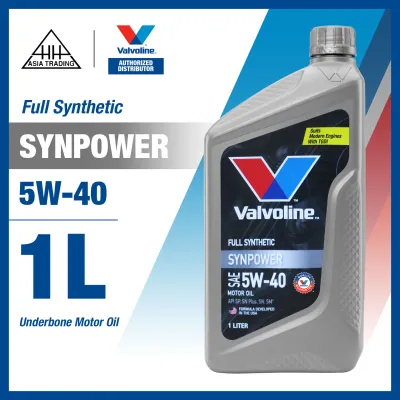
To understand which oil fits your vehicle, it is essential to look at how each product line is engineered. Valvoline SynPower is a fully synthetic engine oil, meaning its base oil is chemically synthesized to achieve a highly uniform molecular structure. This uniformity allows the oil to flow more consistently at extreme temperatures and resist thermal breakdown under high-stress conditions. The advanced additive package in SynPower is specifically tailored to combat heat, prevent sludge buildup, and minimize friction in modern, high-performance engines. When purchasing SynPower, always inspect the product label to verify its full synthetic status and check for specific performance claims, such as enhanced wear protection or resistance to low-speed pre-ignition.
On the other hand, the Valvoline Daily Protection line is designed for vehicles operating under standard, everyday driving conditions. Depending on the specific viscosity grade, Daily Protection is formulated as either a synthetic blend or a conventional motor oil. Synthetic blends combine synthetic and conventional base oils to offer better protection than pure conventional oils, but they do not match the thermal stability of a true fully synthetic oil. This line is engineered to provide reliable, everyday lubrication, keeping engine components clean and protected against routine wear. Before buying, check the front and back labels of the Daily Protection bottle to confirm whether the specific viscosity you are purchasing is a synthetic blend or a conventional formulation.
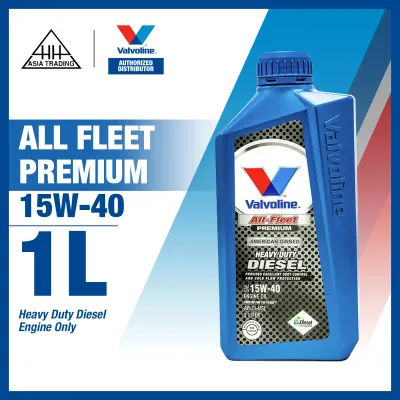
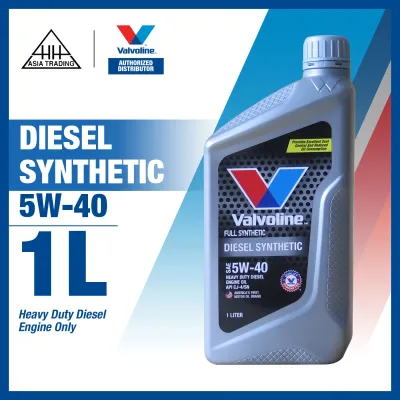
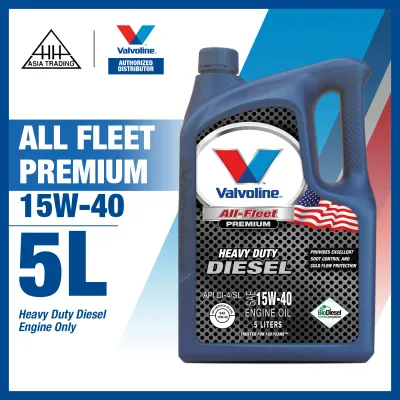
Products mentioned in this guide
16 Lazada user ratings
5 ⭐⭐⭐⭐⭐ 💰Price:10:10 Thank u lazada and to the rider. Definitely will order again
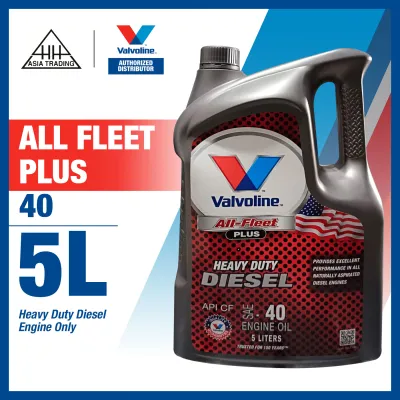
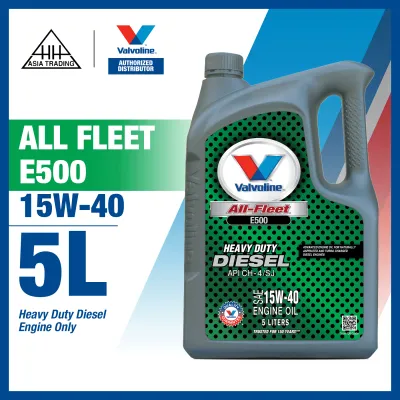
3 Lazada user ratings
very useful in changing your oil regularly before ots due. Oil viscocity is as discribed.
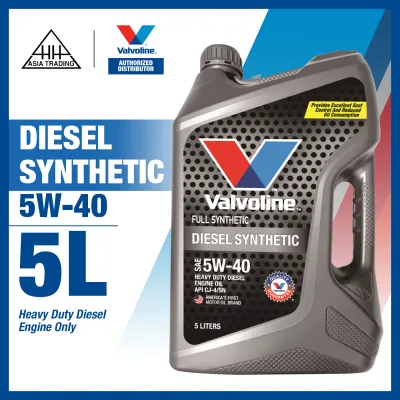
11 Lazada user ratings
Wide service conditions, Synthetic technology,
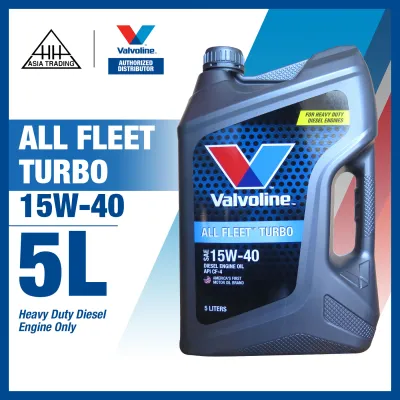
Prices are valid at publication and may change. Please refer to the product page for the latest price.
Regardless of which line you consider, you must cross-reference the industry certifications printed on the bottle with your vehicle’s owner’s manual. Look for the American Petroleum Institute (API) service symbol, often called the API Donut, which indicates the performance category of the oil. Modern gasoline engines typically require API SP or SN Plus standards to protect against timing chain wear and pre-ignition issues. Additionally, look for the International Lubricant Standardization and Approval Committee (ILSAC) starburst certification on the front label, which guarantees that the oil meets stringent fuel economy and engine protection standards. Matching these certifications to your manufacturer’s requirements is the most reliable way to ensure engine compatibility.
Viscosity Grades and Vehicle Compatibility
Viscosity is a measure of an oil’s resistance to flow, and selecting the correct viscosity grade is even more critical than choosing between different product lines. Viscosity grades are designated by a two-number system established by the Society of Automotive Engineers (SAE), such as 5W-30 or 10W-40. The first number, followed by the letter ‘W’ (which stands for Winter), indicates how easily the oil flows at low temperatures during a cold start. The second number represents the oil’s viscosity at normal engine operating temperatures, typically measured at 100 degrees Celsius. In tropical climates like the Philippines, where ambient temperatures remain high year-round, the high-temperature viscosity rating is particularly important for maintaining a protective oil film between moving engine parts.

While both SynPower and Daily Protection offer reliable lubrication, they cater to different viscosity needs based on vehicle age and engine design. Valvoline SynPower is widely available in modern, lower viscosity grades such as 0W-20, 5W-20, and 5W-30. These thin oils are required by modern, tight-tolerance engines to maximize fuel efficiency and ensure rapid oil circulation upon startup. Valvoline Daily Protection, conversely, is often available in broader and slightly higher viscosity ranges, such as 10W-30, 10W-40, or 20W-50. These thicker grades are frequently specified for older engine designs, which have wider clearances between internal components and require a heavier oil film to prevent metal-on-metal contact.
To find the exact viscosity grade recommended for your vehicle, check the engine oil filler cap under the hood, where the required grade is often stamped for quick reference. If it is not visible on the cap, consult the maintenance or specifications section of your vehicle’s owner’s manual. Using an oil with a viscosity different from the manufacturer’s recommendation can lead to severe consequences. An oil that is too thick can increase internal drag, reduce fuel economy, and make it difficult for the oil pump to distribute lubricant quickly during startup. Conversely, an oil that is too thin may fail to provide an adequate protective barrier under high thermal loads, leading to accelerated engine wear.
Service Intervals and Maintenance Planning
Establishing a realistic maintenance schedule requires understanding how different oil formulations degrade over time. Fully synthetic oils, such as Valvoline SynPower, possess superior chemical stability, allowing them to resist oxidation and maintain their protective properties over longer periods. This high resistance to breakdown generally allows for extended drain intervals compared to conventional or blend options. Synthetic blends and conventional oils, like those found in the Daily Protection line, tend to break down more rapidly when exposed to combustion byproducts and high operating temperatures, necessitating more frequent oil changes to prevent harmful sludge formation.
However, the actual lifespan of your engine oil depends heavily on your driving habits and local environmental factors. Vehicle manufacturers typically define two distinct maintenance schedules: ‘normal’ and ‘severe’ driving conditions. Many drivers mistakenly assume they fall under the normal category, but routine driving in the Philippines often aligns with severe conditions. Severe driving includes frequent short trips where the engine does not reach full operating temperature, prolonged idling in heavy city traffic, driving in highly humid or dusty environments, and operating in sustained high ambient temperatures. Under these severe conditions, oil degrades much faster, and you must shorten your service intervals accordingly to protect your engine.
To plan your maintenance effectively, always check the product label for any specific mileage or time-based recommendations provided by Valvoline. Keep in mind that these manufacturer claims are general guidelines and should never supersede the service intervals specified in your vehicle’s owner’s manual. If your vehicle is still under warranty, failing to adhere to the manufacturer’s recommended service schedule can void your coverage. For older vehicles with high mileage (typically over 100,000 kilometers) or vehicles that have undergone performance modifications, it is highly recommended to consult a qualified professional mechanic. A professional can inspect your engine for wear, check for internal deposits, and recommend a customized oil change interval tailored to your vehicle’s actual condition.
Decision Framework: Choosing the Right Oil for Your Car
To finalize your purchase decision, you can use a structured framework that balances your driving environment, vehicle specifications, and budget. Choosing the right oil involves matching the unique properties of SynPower or Daily Protection to your daily driving reality.
You should choose Valvoline SynPower if you frequently operate your vehicle under high-stress conditions. This includes daily commuting through congested urban traffic corridors, driving in the intense tropical heat of the Philippines, or regularly towing heavy loads and climbing steep inclines. SynPower is also the appropriate choice if you drive a modern vehicle equipped with a turbocharged engine or gasoline direct injection, as these engines generate extreme internal heat and require the superior thermal stability of a fully synthetic oil. If your owner’s manual explicitly specifies a fully synthetic oil or requires modern OEM approvals, SynPower is the necessary option to maintain peak performance and preserve your warranty.
You should choose Valvoline Daily Protection if your driving habits consist primarily of standard, smooth highway commuting with minimal stop-and-go idling. This line is also highly suitable for older vehicle models whose manufacturers originally specified conventional or synthetic blend oils. If you operate a well-maintained vehicle with standard clearances and prefer to save a few hundred ₱ on routine maintenance, Daily Protection offers a cost-effective solution. Choosing Daily Protection allows you to save on upfront oil costs while still providing reliable, everyday wear protection, provided you commit to more frequent oil change intervals as recommended by your vehicle manufacturer.
Before making your final selection, always verify two critical factors. First, check if your vehicle is covered by an active manufacturer warranty that mandates specific original equipment manufacturer (OEM) oil specifications. Many European and modern Asian vehicles require oils that meet precise manufacturer standards, which are typically only achieved by fully synthetic formulations like SynPower. Second, evaluate whether your engine has specific high-mileage needs, such as worn seals or minor oil consumption. If your engine is prone to minor leaks, you may need to look for a specialized formulation containing seal conditioners, which can be verified by carefully reading the product labels before purchase.
Frequently Asked Questions (FAQ)
Can I mix Valvoline SynPower and Daily Protection?
In an emergency situation, such as when your oil level is dangerously low and you cannot find an exact match, mixing Valvoline SynPower and Daily Protection is acceptable to prevent engine damage from oil starvation. However, mixing them for routine top-offs is not recommended. Combining a premium fully synthetic oil like SynPower with a synthetic blend or conventional oil like Daily Protection dilutes the advanced synthetic base stocks and specialized additive packages. This dilution reduces the overall performance benefits, thermal stability, and wear protection of the synthetic oil. To maintain consistent engine protection and ensure the additives function as engineered, it is best to perform a complete oil drain and fill with a single product line rather than mixing different formulations.
Is there a diesel variant for both SynPower and Daily Protection?
Yes, Valvoline offers diesel-specific formulations within its product families, but you must carefully verify the product labels before purchase. Diesel engines operate under higher compression and generate more soot than gasoline engines, requiring oils with robust detergent and dispersant additives. To identify a diesel-compatible oil, look for heavy-duty diesel specifications on the back label, such as API CK-4, CJ-4, or European ACEA standards like C3 or E9. If you drive a modern diesel vehicle equipped with a Diesel Particulate Filter (DPF) or Selective Catalytic Reduction (SCR) system, you must ensure the oil is rated as a low-SAPS (Sulfated Ash, Phosphorus, and Sulfur) formulation. Using a non-compatible oil can clog your emissions systems, so always verify DPF safety on the label or consult a professional mechanic.

Community discussion
Share your experience or ask a question. Comments are reviewed before publication.