
Riding a motorcycle with a vintage-style helmet in the Philippines is legal and safe only if the helmet carries a valid local certification mark and meets modern protective standards. While authentic antique helmets or novelty retro headgear may look appealing on classic cruisers and scooters, they often fail to comply with national safety laws and lack the structural integrity needed to protect you in a crash. To stay both safe and compliant on local roads, you must understand how Philippine helmet laws apply to retro designs and how to distinguish a legally certified retro-style helmet from an unsafe novelty cap.
Decoding PSB and ICC: The Legal Baseline for Motorcycle Helmets
In the Philippines, motorcycle helmet use is strictly regulated to reduce road crash injuries. Every rider and passenger on public roads must wear a protective helmet that complies with national standards. The legal framework establishes that a helmet’s compliance is determined by official certification marks rather than its brand name, price, or aesthetic style.
The two primary certification marks you must look for are the PSB (Philippine Standard) mark and the ICC (Import Commodity Clearance) sticker. The PSB mark is typically issued for helmets manufactured or assembled locally that have passed rigorous quality and impact testing. For imported helmets, which make up a significant portion of the local market, the ICC sticker serves as proof that the specific batch of imported headgear has been inspected and cleared by the Bureau of Product Standards.
Products mentioned in this guide
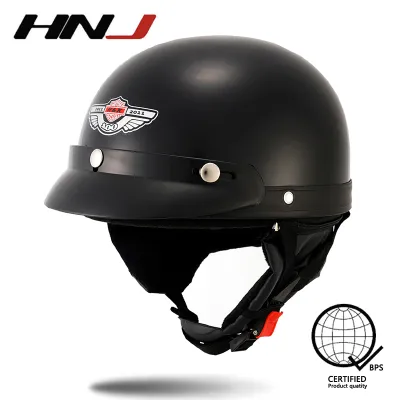
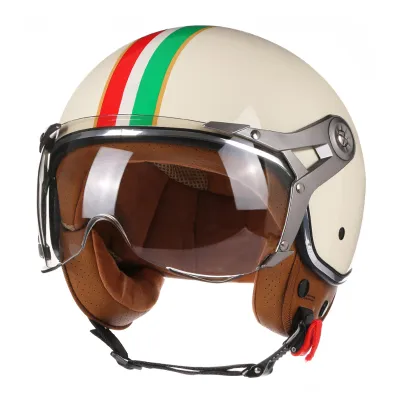
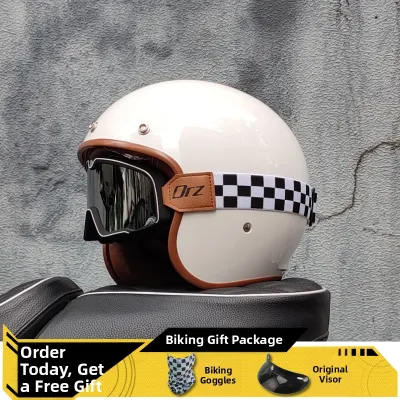
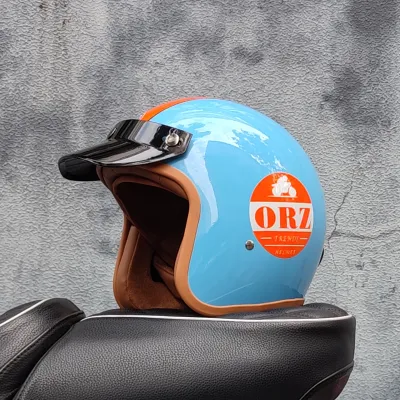
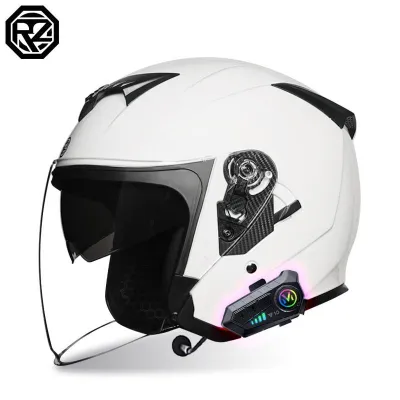
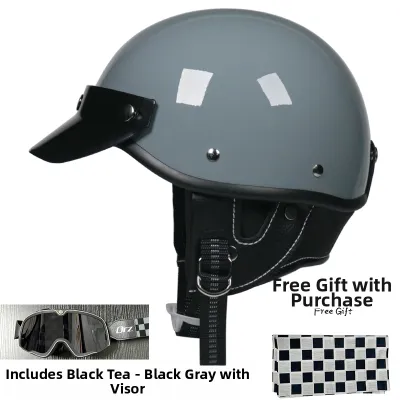
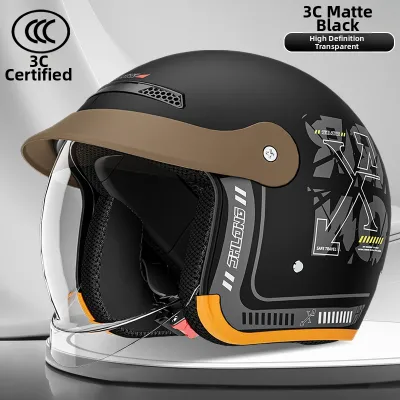
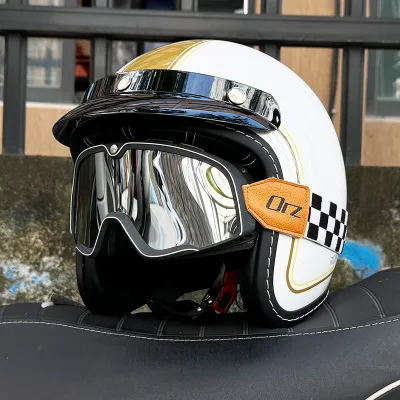
Prices are valid at publication and may change. Please refer to the product page for the latest price.
It is a common misconception that a vintage aesthetic automatically exempts a helmet from these requirements. Whether your helmet is a sleek modern full-face model or a classic open-face design with retro graphics, it must display the appropriate physical sticker to be considered road-legal. Riding with a helmet that lacks these marks, even if it is a premium international brand, can lead to legal consequences.
Using uncertified headgear on public roads can result in traffic stops, citations, and confiscation of the helmet by law enforcement officers. To understand the exact fines, penalty points, and enforcement protocols currently in place, you should consult the latest guidelines published by the Land Transportation Office and local government traffic units. These regulations are updated periodically, making it essential to refer directly to official government channels for the most current legal schedules.
Safety Trade-Offs: What Vintage Helmet Designs Mean for Protection
Choosing a vintage helmet design often involves balancing classic aesthetics with modern protective capabilities. Traditional vintage helmets, particularly open-face or half-shell designs, offer significantly less physical coverage than modern full-face helmets. An open-face helmet leaves your face, jaw, and chin completely exposed to the road, which are areas highly vulnerable to impact during a motorcycle accident.

Beyond the outer coverage, the internal construction of a helmet determines how well it manages impact energy. Modern helmets rely on a thick, high-density expanded polystyrene liner designed to crush slowly upon impact, absorbing the forces before they reach your skull. True vintage helmets or poorly made retro replicas often feature ultra-thin shells and minimal internal padding to maintain a low-profile look. This lack of a robust energy-absorbing liner severely compromises the helmet’s ability to protect you during a collision.
Another critical safety factor is eye protection. Many classic vintage helmets do not feature integrated visors or face shields. Riding without a shield exposes your eyes to tropical downpours, flying insects, road dust, and kicked-up gravel, all of which are common on roads in the Philippines. To mitigate this risk, you must pair an open-face retro helmet with separate, shatter-resistant riding goggles or glasses that secure tightly around your head.
Furthermore, the materials used in older, authentic vintage helmets degrade over time. Even if an old helmet has never been in an accident, the outer fiberglass or plastic shell can become brittle, and the internal expanded polystyrene liner can dry out and crumble. This natural aging process renders older helmets unsafe for active road use, regardless of how well they have been preserved cosmetically.
The Buyer’s Checklist: How to Spot Genuine Certification Marks
When shopping for a vintage-style helmet, verifying the authenticity of the safety marks is your most important step. Genuine PSB and ICC labels have specific physical characteristics designed to prevent tampering. A real ICC sticker is typically a holographic label with a unique serial number and a clear, high-quality print that does not smudge. It is firmly adhered to the back or lower rear portion of the helmet shell, often under a protective clear coat on premium models.
You should inspect the helmet closely for common red flags that indicate counterfeit or non-compliant headgear. Be wary of stickers that are peeling at the edges, look like simple paper printouts, or lack a standard certification number. If a seller tells you that the sticker can be purchased separately or applied at home, this is a major warning sign. Genuine certification marks are only applied at the factory or by authorized inspectors after successful batch testing; they are never sold loose.
To protect yourself from counterfeit products, always verify the seller’s authorization. Reputable distributors and physical motorcycle accessory shops in the Philippines can provide documentation showing their products are sourced from certified importers. You can also cross-reference the helmet’s brand, model, and batch number through official government portals, such as the Department of Trade and Industry databases, or by contacting the manufacturer directly to confirm the certification status.
Avoid purchasing second-hand vintage helmets entirely. It is virtually impossible to verify the history of a used helmet. A drop from a seat or a minor collision can cause internal fractures in the expanded polystyrene liner that are completely invisible from the outside but destroy the helmet’s protective capability. Additionally, older used helmets may carry expired certifications or outdated safety designs that no longer meet current legal standards.
Finding the Right Balance: Retro Style Meets Legal Compliance
Fortunately, you do not have to sacrifice your personal style to remain safe and law-abiding. Many reputable helmet manufacturers now produce modern retro-styled helmets. These helmets feature classic lines, vintage paint schemes, and chrome trim reminiscent of the 1960s and 1970s, but they are manufactured using advanced composite shells, multi-density expanded polystyrene liners, and modern retention systems. These compliant retro-style helmets are fully certified and carry the necessary local PSB or ICC marks.
When evaluating these options, it is helpful to understand how international safety standards relate to local laws. Standards such as the United States Department of Transportation or the Economic Commission for Europe are highly respected global benchmarks. However, having an international certification sticker on a helmet does not automatically make it legal for road use in the Philippines. The helmet must still go through the local import clearance process to receive its official ICC or PSB sticker.
To make an informed purchase, establish a clear decision framework before you buy. Start by setting a realistic budget, keeping in mind that safety gear is an investment in your personal protection. Next, prioritize the helmet style that offers the highest level of coverage you are comfortable with, such as a retro full-face model over an open-face design. Finally, treat the presence of a verifiable, genuine local certification mark as a non-negotiable requirement. If a helmet does not have a valid ICC or PSB mark, exclude it from your choices immediately.
Frequently Asked Questions (FAQ)
Is a DOT or ECE Sticker Enough to Ride Legally in the Philippines?
No, a DOT or ECE sticker alone is not legally sufficient for road use in the Philippines. While these international certifications indicate that the helmet meets rigorous foreign safety standards, local law specifically requires either a PSB mark or an ICC sticker. To ride legally, you must ensure that the importer or manufacturer has processed the helmet through the Bureau of Product Standards to obtain the official local certification label.
What Are the Penalties for Riding With an Uncertified Helmet?
Riding with an uncertified helmet, or riding without one entirely, subjects you to law enforcement actions, including traffic citations, fines, and the potential confiscation of your driver’s license or vehicle. Because penalty structures and fine amounts can change, you should consult the official violation matrices published on the Land Transportation Office website or visit your local municipal traffic management office for the most accurate and up-to-date penalty codes.
Are Leather Flight Caps or Skull Caps Considered Legal Helmets?
No, leather flight caps, bandanas, and novelty skull caps are not legal motorcycle helmets in the Philippines. To be legally recognized, a helmet must feature a rigid outer shell, a thick impact-absorbing inner liner, and a secure chin strap retention system capable of passing standardized drop and penetration tests. Novelty headwear lacks these structural components and cannot secure the mandatory PSB or ICC certifications required for public road use.

Community discussion
Share your experience or ask a question. Comments are reviewed before publication.