
Selecting the right waterproof motorcycle boots depends heavily on your riding environment, the duration of your trips, and how much time you spend walking off the bike. For daily urban commuters, the priority lies in finding a balance between wet-weather protection, breathability in slow-moving traffic, and walking comfort. Conversely, long-distance touring riders require maximum weather sealing, structural support, and robust armor to withstand hours of continuous highway-speed rain and wind. Understanding these distinct scenarios allows you to choose footwear that keeps your feet dry and safe without compromising your daily comfort or long-term riding endurance.
Understanding Waterproof Construction in Riding Boots
To make an informed choice, riders must understand how waterproofing is integrated into motorcycle footwear. Most waterproof boots rely on an internal waterproof and breathable membrane situated between the outer shell and the inner lining. This membrane features microscopic pores that are small enough to block liquid water droplets from entering but large enough to allow sweat vapor to escape. Other boots use a laminated construction where the waterproof barrier is bonded directly to the underside of the outer material, preventing the boot from absorbing water and becoming heavy. In contrast, simple water-resistant treatments applied to the exterior leather or textile only repel light splashes and quickly saturate during heavy downpours.
Beyond the membrane itself, the overall construction of the boot determines its ability to keep water out. Critical entry points like zippers, seams, and tongues require specialized designs. Look for boots with gusseted tongues—where the fabric connects the tongue to the main body of the boot—to prevent water from seeping through the lace area. Seam sealing ensures that water does not penetrate the stitching, while waterproof zippers often feature rubberized coatings or wide storm flaps secured by hook-and-loop fasteners. When shopping, always check the manufacturer’s technical specifications to verify the exact membrane technology and construction methods used, rather than relying on generic marketing claims.
Products mentioned in this guide
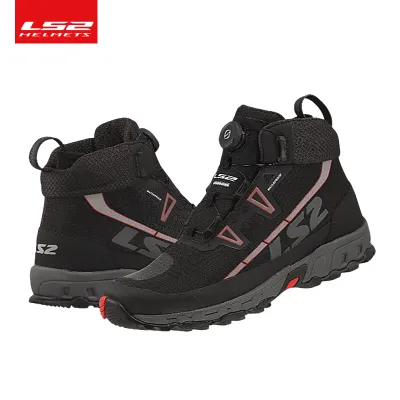
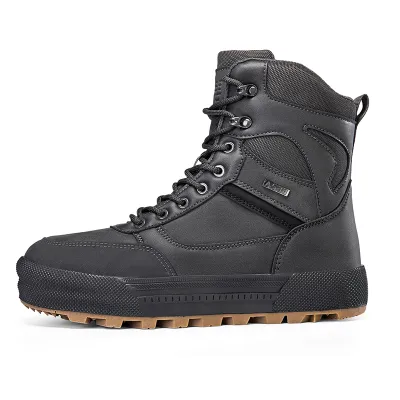
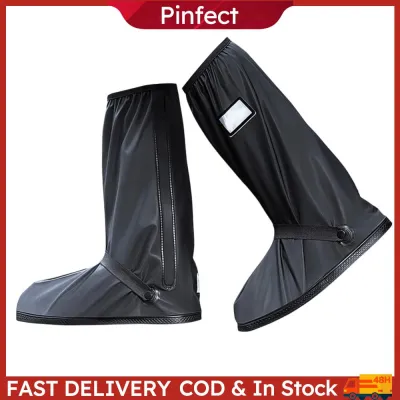
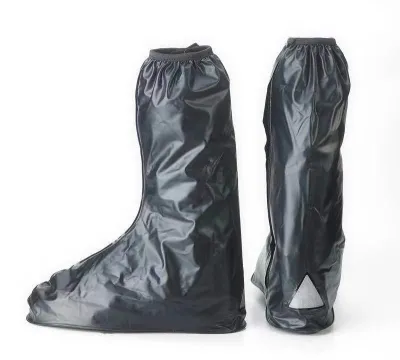
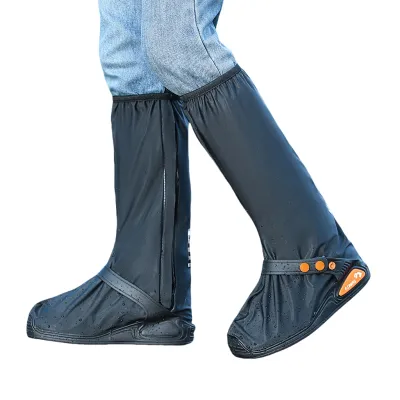
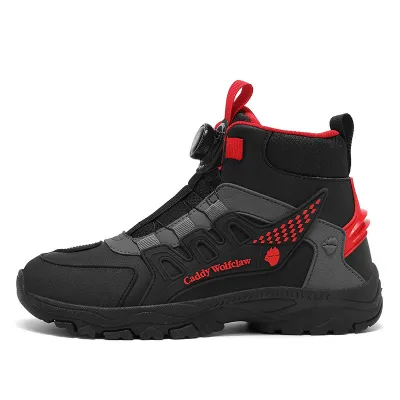
Prices are valid at publication and may change. Please refer to the product page for the latest price.
Daily Urban Commuting: Features for Stop-and-Go Riding
Daily commuting in tropical urban centers presents unique challenges, including sudden afternoon downpours, high humidity, and frequent stop-and-go traffic. For these short but intense rides, ankle-height or mid-cut boots with shorter shaft heights are highly practical. These designs offer greater ankle flexibility, making it easier to shift gears constantly in heavy traffic and walk comfortably once you reach your office, school, or local shops. A stiff, unyielding boot can quickly become uncomfortable during a walk from the parking lot to your desk.

However, the stop-and-go nature of city riding means your feet do not benefit from constant highway airflow. In hot and humid weather, a heavy, non-breathable waterproof boot can trap heat and sweat, leaving your feet damp from the inside even if no rain gets in. Commuters should look for lightweight textile or perforated leather boots equipped with highly breathable waterproof liners. Additionally, convenience is key for daily routines. Quick-entry designs, such as side zippers protected by secure flaps or quick-lace systems, allow you to slip your boots on and off rapidly without wrestling with stiff buckles or long laces every morning and evening.
Long-Distance Touring: Features for Extended Highway Exposure
Long-distance touring demands a completely different set of features to handle prolonged exposure to the elements at sustained highway speeds. When riding at high speeds in heavy rain, wind forces water through any weak point in your gear. To combat this, touring boots feature tall shaft heights that extend well up the shin. This height allows your riding pants to overlap the boots significantly, preventing water from running down your legs and pooling inside your footwear.
Touring also requires stiffer sole construction and robust armor to protect against fatigue and road debris over long hours. A stiff sole distributes pressure evenly across your foot when resting on the footpegs, reducing arch strain during multi-hour journeys. Look for boots with integrated shin guards, reinforced ankle cups, and sturdy heel counters. Because touring boots prioritize maximum weather sealing and structural safety, they are naturally stiffer and bulkier than commuter shoes. If your tour involves exploring tourist destinations on foot, you will need to weigh this stiffness against your walking needs, or consider packing a compact pair of walking shoes in your luggage.
Evaluating Cross-Scenario Compatibility
Many riders wonder if they can find a single pair of boots to handle both daily commutes and weekend tours. While mid-range adventure boots or light touring boots can bridge this gap, they always involve compromises. Using a heavy, tall touring boot for a short daily commute can feel excessively hot, bulky, and restrictive, especially when walking around offices or malls. The lack of flexibility can make quick foot movements in tight traffic feel clumsy.
On the other hand, relying on a lightweight, short commuter boot for long-distance touring introduces safety and comfort risks. Short boots leave your shins exposed to flying gravel and debris on the highway, and they lack the structural support needed to prevent foot fatigue over hundreds of kilometers. Furthermore, at highway speeds, water is much more likely to find its way over the short collar of a commuter boot. To decide on the best approach, evaluate your riding habits: if you spend the vast majority of your time in the city, a versatile mid-cut boot is a practical compromise. However, if you regularly split your time between daily commutes and long highway tours, investing your gear budget (measured in ₱) into two specialized pairs is often the most comfortable and safest long-term decision.
Essential Fit and Safety Checks Before Buying
Regardless of the waterproofing technology you choose, safety must remain your primary concern. Before finalizing any purchase, verify that the boots feature essential protective elements, including impact-resistant ankle cups, reinforced toe and heel boxes, and a crush-resistant sole. A dedicated shift pad on the toe area is also important, as it prevents the gear shifter from wearing down the waterproof outer layer over time.
Fit is equally critical to both safety and waterproof performance. When trying on boots, always wear the exact style of riding socks you plan to use on the road. Waterproof membranes add physical layers to the boot’s interior, which can reduce the overall volume and make the fit tighter than standard footwear. Ensure there is enough room to wiggle your toes without your heel slipping when you walk. Finally, because fit varies significantly between brands, check the return and exchange policies of the online marketplace or local retailer to ensure you can swap sizes if the boots do not fit perfectly out of the box.
Frequently Asked Questions (FAQ)
Are waterproof motorcycle boots too hot for hot and humid weather?
Waterproof membranes naturally restrict airflow compared to fully ventilated mesh boots, which can lead to heat buildup in hot and humid tropical climates. To minimize discomfort, look for boots that utilize advanced, breathable waterproof membranes designed to let sweat vapor escape while keeping rainwater out. If you primarily ride in dry, hot conditions and only encounter occasional light drizzles, water-resistant non-membrane boots or quick-drying textile boots may offer a more comfortable, well-ventilated alternative.
How do I maintain the waterproofing of my riding boots over time?
Accumulated road grime, mud, and oil can clog the pores of breathable membranes and degrade the outer materials of your boots. To maintain their weather resistance, clean your boots regularly using a soft brush and clean water, avoiding harsh household detergents that can strip away the factory-applied durable water repellent (DWR) coatings. Once dry, follow the manufacturer’s specific care instructions to reapply compatible water-repellent sprays or leather conditioners to restore the outer barrier’s shedding capability.

Community discussion
Share your experience or ask a question. Comments are reviewed before publication.