
When you see “0W-20 fully synthetic” on a bottle of engine oil, it represents a highly engineered fluid designed to protect modern, tight-tolerance engines under extreme temperature ranges. The label tells you two critical things: how the oil flows when your engine is cold, and how it behaves once your engine reaches its normal, hot operating temperature. Choosing the correct formulation is vital for maintaining fuel efficiency, preventing premature wear, and protecting your vehicle’s warranty.
Decoding the 0W-20 Viscosity Grade
The alphanumeric code on an engine oil bottle indicates its viscosity grade, which is a measure of the fluid’s resistance to flow. The “0W” portion of the rating refers to the oil’s low-temperature or winter performance. The “W” stands for winter, and the “0” indicates that the oil remains highly fluid at exceptionally low temperatures, allowing the oil pump to distribute lubrication rapidly to critical engine components immediately after a cold start.
The second number, “20,” represents the oil’s viscosity at normal engine operating temperatures, typically measured at 100 degrees Celsius. A lower number like 20 indicates a thinner oil film compared to a 30 or 40-grade oil. This thinner profile reduces internal fluid friction within the engine, which helps improve fuel economy by making it easier for internal components to move.
Products mentioned in this guide
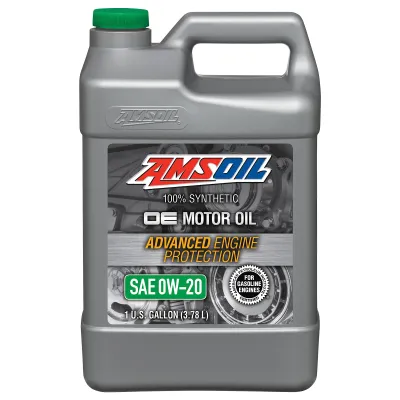
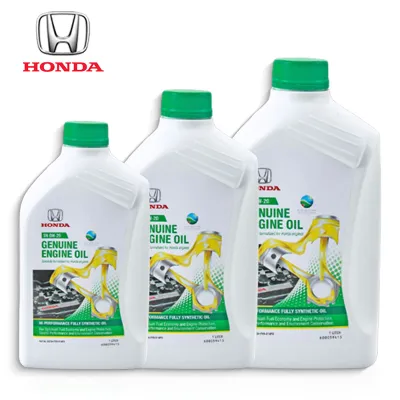
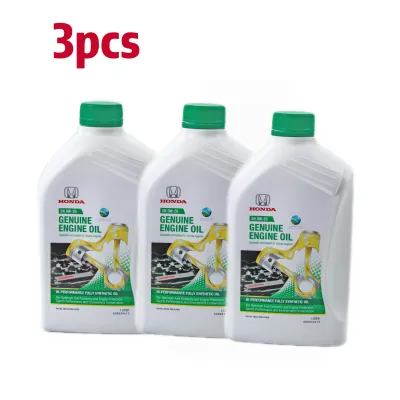
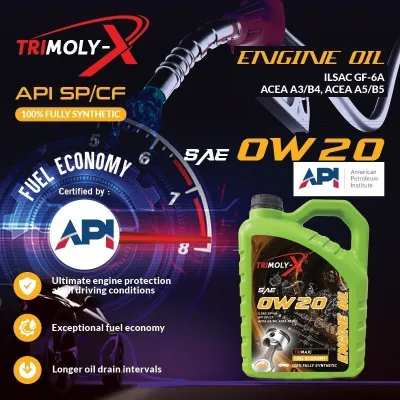
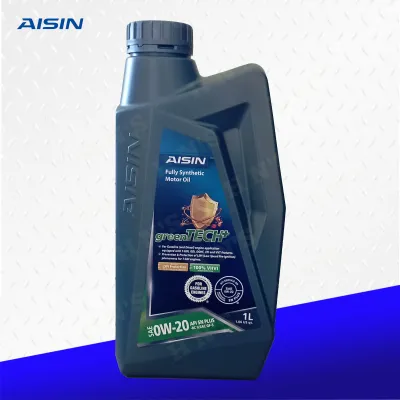
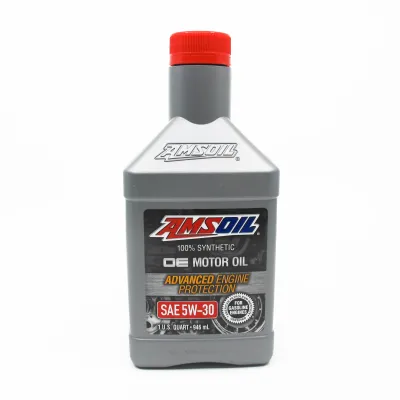
Prices are valid at publication and may change. Please refer to the product page for the latest price.
Modern engines are built with incredibly tight internal clearances between moving parts, such as the pistons, bearings, and camshafts. These engines often utilize advanced variable valve timing systems that rely on precise oil pressure to function correctly. Consequently, manufacturers specifically engineer these powerplants to run on low-viscosity oils like 0W-20 to ensure rapid lubrication delivery and optimal hydraulic response.
Why 0W-20 Requires a Fully Synthetic Formulation
Achieving a 0W-20 rating requires a fully synthetic base oil because conventional mineral oils cannot physically meet these extreme performance parameters. Synthetic oils are manufactured through complex chemical synthesis, resulting in highly uniform molecular structures. This uniformity allows the fluid to flow smoothly at low temperatures while remaining stable under intense heat.

In contrast, conventional mineral oils are refined from crude oil and contain inconsistent molecular sizes and impurities. To make a conventional oil flow like a 0W oil at cold temperatures, it would have to be so thin that it would fail to provide adequate film strength at high operating temperatures. Synthetic base stocks possess a naturally high viscosity index, meaning they resist thinning out when hot and thickening up when cold.
Without the robust molecular bonds of a fully synthetic formulation, a thin 20-weight oil would quickly break down under the high thermal and mechanical shear forces inside a running engine. The synthetic formulation ensures that even though the oil is thin, the protective barrier between metal surfaces remains intact. This prevents direct metal-to-metal contact, reducing wear and preventing catastrophic engine damage.
How to Verify if 0W-20 Fully Synthetic Matches Your Vehicle
Before purchasing or adding any engine oil, you must verify that 0W-20 fully synthetic is the correct specification for your specific vehicle model and year. The primary and most reliable source for this information is your vehicle’s owner’s manual. This document outlines the exact viscosity grade required, along with necessary industry standards such as API (American Petroleum Institute) or ILSAC (International Lubricant Standardization and Approval Committee) specifications.
Another quick reference point is the oil filler cap located under the hood of your car. Manufacturers frequently stamp or print the recommended oil viscosity directly onto this cap to guide technicians and owners during routine maintenance. However, if there is ever a discrepancy between the cap and the owner’s manual, always defer to the manual or consult an authorized dealership.
You should never arbitrarily downgrade your oil viscosity to 0W-20 if your vehicle manufacturer specifies a thicker oil, such as 5W-30 or 10W-40. In tropical climates like the Philippines, vehicles frequently operate in high ambient temperatures and heavy traffic. If an engine designed for thicker oil is run on 0W-20, the oil film may become too thin to protect the components, leading to accelerated wear, increased oil consumption, and potential engine damage.
Maintenance Intervals and Driving Conditions
Fully synthetic oils offer superior oxidation resistance and thermal stability compared to conventional or semi-synthetic alternatives. This means they are highly resistant to breaking down, forming sludge, or evaporating under high operating temperatures. While these properties provide excellent engine protection, they do not grant a license to ignore recommended maintenance schedules.
Your driving environment plays a massive role in how quickly your engine oil degrades. In many urban areas of the Philippines, drivers regularly face severe driving conditions, which include frequent short trips, prolonged idling in heavy stop-and-go traffic, and operating in dusty or highly humid environments. These conditions prevent the engine from reaching and maintaining its optimal operating temperature for long periods, which can lead to moisture accumulation and fuel dilution in the oil.
To ensure long-term engine health, always adhere to the vehicle manufacturer’s prescribed maintenance intervals for oil and filter changes. Do not extend your drain intervals beyond the manufacturer’s recommendations based solely on the “fully synthetic” label on the bottle. Regular oil changes remain the most effective way to remove contaminants and ensure your engine continues to receive maximum protection.
Frequently Asked Questions (FAQ)
Can I mix 0W-20 fully synthetic with other oil grades or types?
Mixing different oil viscosities or formulations is generally not recommended because it alters the carefully engineered flow characteristics and additive balance of the fluid. If you mix 0W-20 with a thicker oil like 10W-40, you will change the overall viscosity, which may prevent the oil from flowing correctly through tight engine clearances. In an emergency situation where your oil level is dangerously low, topping up with any clean engine oil is acceptable to prevent oil starvation, but you should schedule a complete oil and filter change as soon as possible to restore the correct specification.
Is 0W-20 suitable for older, high-mileage engines?
Generally, 0W-20 is not suitable for older engines that were originally designed for thicker oils. Older engine designs typically feature wider internal clearances between moving parts and rely on thicker oil films to maintain proper oil pressure and seal combustion chambers. Using a thin 0W-20 oil in these engines can result in low oil pressure, increased oil consumption as the fluid slips past worn seals, and inadequate lubrication. Always follow the original factory viscosity specifications detailed in your vehicle’s documentation, regardless of the vehicle’s age or mileage.

Community discussion
Share your experience or ask a question. Comments are reviewed before publication.