
For diesel engines, selecting the correct motor oil is critical for long-term reliability. A 5W-30 viscosity grade represents a multi-grade lubricant engineered to provide dependable protection across a broad temperature spectrum. While heavy-duty diesel engines historically relied on thicker oils like 15W-40, modern diesel engines—particularly those in passenger cars, pickup trucks, and SUVs—frequently specify 5W-30. This grade balances rapid lubrication during startup with sufficient film strength at operating temperatures, helping to optimize fuel efficiency without sacrificing component protection.
Decoding the 5W-30 Viscosity Rating for Diesel Engines
The alphanumeric code on an engine oil bottle represents its viscosity characteristics as defined by the Society of Automotive Engineers (SAE). Viscosity refers to a fluid’s resistance to flow, and in a multi-grade oil like 5W-30, this resistance changes dynamically depending on the engine’s operating temperature.
The “5W” portion denotes the oil’s low-temperature viscosity, where the “W” stands for winter. This number indicates how easily the oil flows when the engine is cold, such as during initial startup. A lower number means the oil remains more fluid at low temperatures, allowing the oil pump to distribute it quickly to critical components like the overhead camshafts and turbocharger bearings. Even in tropical climates where freezing temperatures do not occur, a 5W rating ensures rapid oil pressure buildup during startup, which is when a significant portion of engine wear takes place.
Products mentioned in this guide
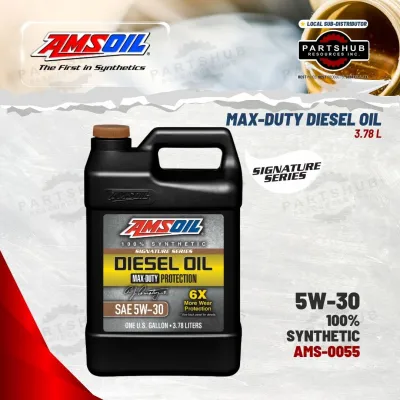
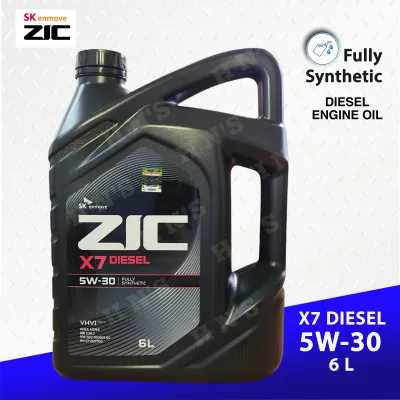
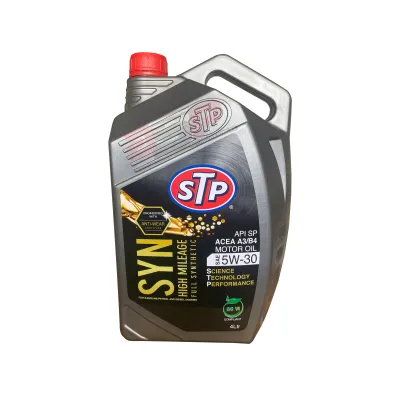
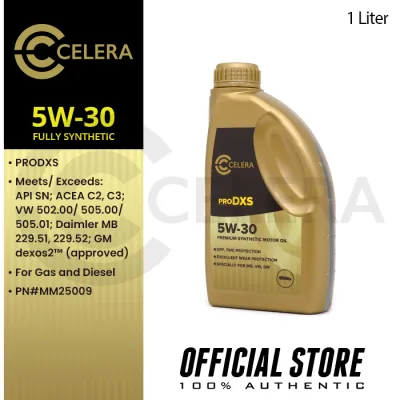
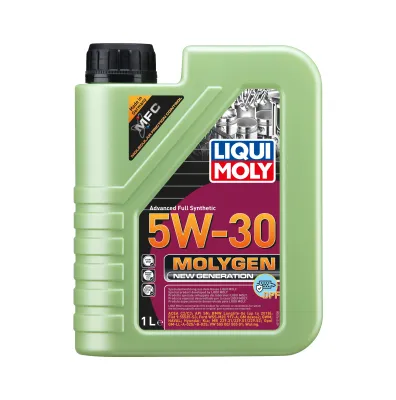
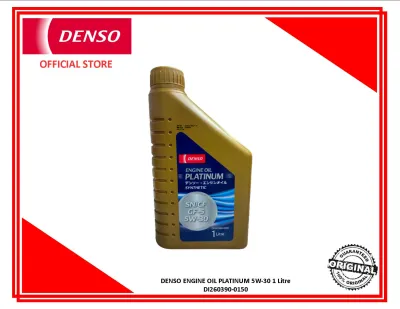
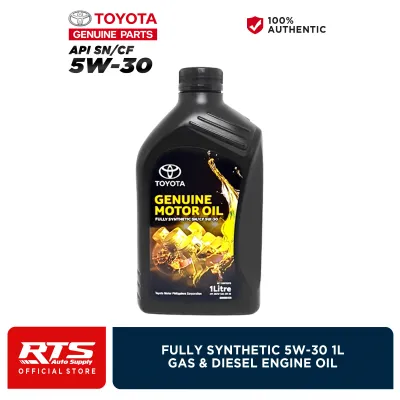
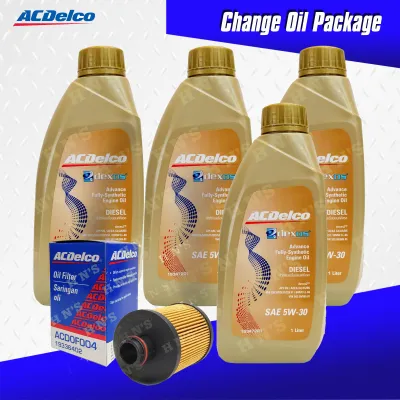
Prices are valid at publication and may change. Please refer to the product page for the latest price.
The “30” portion represents the oil’s kinematic viscosity measured at 100°C, the typical operating temperature of a fully warmed-up engine. This number indicates the oil’s thickness and ability to maintain a protective barrier between moving metal parts under high heat and load. A 30-grade oil balances wear protection with low fluid resistance, allowing internal engine components to move with minimal friction. Together, these numbers ensure the oil flows quickly upon startup while remaining thick enough to prevent metal-to-metal contact once the engine reaches its normal operating temperature.
Why Viscosity Alone Is Not Enough for Diesel Engines
While selecting a 5W-30 viscosity grade is an important first step, viscosity alone does not guarantee that an oil is suitable for a diesel engine. Diesel combustion is inherently different from gasoline combustion, producing unique byproducts that require a highly specialized additive package to manage.

Diesel engines operate under higher compression ratios and combustion pressures, generating significant amounts of soot. If left unmanaged, soot can agglomerate into larger, abrasive particles that cause severe wear on cylinder liners, piston rings, and bearings, while also thickening the oil. To combat this, diesel-specific formulations contain robust dispersant additives that keep soot particles suspended individually, preventing them from clumping together. Additionally, diesel fuel combustion produces acidic byproducts; therefore, diesel oils are formulated with higher levels of detergent additives to neutralize these acids and prevent corrosive wear.
To ensure an oil is designed for diesel service, you must look beyond the 5W-30 rating and check the performance classifications. The American Petroleum Institute (API) uses a “C” series designation (such as CK-4) for diesel applications, whereas gasoline oils use an “S” series (such as SP). Alternatively, European vehicles often require oils meeting specific ACEA standards, such as the “C” category (e.g., ACEA C3) for catalyst-compatible, low-SAPS formulations. Using a 5W-30 oil formulated exclusively for gasoline engines in a diesel vehicle can lead to rapid oil shear, excessive soot buildup, clogged oil passages, and catastrophic engine damage.
How to Determine If 5W-30 Is Right for Your Vehicle
Determining whether 5W-30 is the correct oil for your diesel engine requires a systematic approach that prioritizes manufacturer specifications while considering your local driving environment.
The absolute authority for oil selection is your vehicle’s owner’s manual. OEMs design engines with specific clearances, oil pump capacities, and emissions systems that dictate both the required viscosity and performance standards. The manual outlines approved viscosity grades, often using a temperature-viscosity chart, along with required API, ACEA, or proprietary OEM specifications. If your manual does not list 5W-30 as an approved grade, you should not use it.
Local climate conditions also play a role, though modern synthetic oils have made this less restrictive. In tropical environments with high ambient temperatures and humidity, the cold-start protection of a 5W oil is still highly beneficial because it reduces the time it takes for oil to reach the top of the engine compared to a heavier 15W-40 oil. However, if you frequently operate under severe conditions—such as hauling heavy payloads, towing, or navigating prolonged stop-and-go traffic in intense heat—the engine experiences elevated thermal stress. Under these demanding conditions, some manufacturers may recommend a higher high-temperature viscosity grade, such as 5W-40 or 15W-40, to ensure adequate oil film thickness. Always cross-reference your driving habits with the manufacturer’s guidelines to make an approved choice.
Reading the Oil Label: What to Check Before You Buy
Before purchasing any engine oil, inspect the product label to verify that the fluid meets all the technical requirements of your diesel engine.
First, locate the SAE viscosity grade on the front of the bottle to confirm it is 5W-30. Next, turn the bottle over to inspect the technical specifications. Look for the API service symbol (the API “donut”) or the ACEA performance claims. Verify that the oil carries a diesel-approved rating, such as API CK-4 or ACEA C3. If your vehicle is equipped with a Diesel Particulate Filter (DPF), it is critical to use a low-SAPS oil (like ACEA C3) to prevent ash accumulation from clogging the filter.
Additionally, check for specific OEM approvals listed on the label, such as BMW Longlife-04 or Mercedes-Benz MB-Approval 229.51. Finally, inspect the physical packaging before buying. Ensure the bottle’s tamper-evident cap seal is fully intact, the container shows no signs of leakage, and the labeling is clear and professional. Checking the manufacturing date or batch code printed on the bottle can also help ensure you are purchasing authentic, high-quality stock from a reputable auto supply shop or authorized online marketplace.
Frequently Asked Questions (FAQ)
Can I mix 5W-30 diesel oil with a different viscosity grade?
While modern engine oils are generally chemically compatible, mixing different viscosity grades (such as adding 15W-40 to 5W-30) is not recommended. Mixing alters the overall viscosity, potentially making the oil too thick for rapid cold-start flow or too thin for high-temperature protection. It also dilutes the specific additive packages balanced by each manufacturer, reducing the oil’s ability to manage soot and neutralize acids. In an emergency where the oil level is critically low, topping up with a different grade is acceptable to prevent immediate damage, but you should perform a complete oil change as soon as possible.
Does 5W-30 improve fuel economy in diesel engines compared to thicker oils?
Using a 5W-30 oil can improve fuel economy compared to thicker oils like 15W-40, provided the engine is designed to use it. Thinner oils present less fluid resistance (parasitic drag) to moving parts, allowing the engine to operate more efficiently and consume less fuel. However, this efficiency benefit must be balanced against wear protection. If an engine is designed specifically for a thicker lubricant, switching to a thinner 5W-30 oil can result in an insufficient oil film thickness at high operating temperatures, leading to accelerated wear. Always adhere strictly to the viscosity ranges approved by your vehicle’s manufacturer.

Community discussion
Share your experience or ask a question. Comments are reviewed before publication.