
The 5W-30 designation on a bottle of Motocraft motor oil represents its multi-grade viscosity rating, established by the Society of Automotive Engineers (SAE). This rating defines how easily the oil flows at low temperatures when you first start your vehicle, as well as its thickness and protective capability once the engine reaches its normal operating temperature. Choosing the correct viscosity is one of the most critical decisions you can make to prevent premature engine wear and maintain fuel efficiency.
Using an oil with the wrong viscosity can lead to insufficient lubrication during startup or a breakdown of the protective oil film under high heat. For drivers in tropical climates like the Philippines, where daily temperatures remain warm but engines still experience significant heat cycles and heavy traffic, understanding these ratings is essential. By matching the oil’s flow characteristics to your vehicle manufacturer’s specifications, you ensure that internal engine components remain fully coated and protected under all driving conditions.
What the 5W-30 Viscosity Numbers Actually Mean
The numbers and letters on a bottle of Motocraft 5W-30 oil are not arbitrary marketing terms. Instead, they represent a standardized classification system used globally to describe how a lubricant behaves under different thermal conditions. This multi-grade system allows a single oil to perform effectively across a wide temperature range, eliminating the need to change oil types between seasons.
Products mentioned in this guide
![[GASOLINE ENGINE][1 QUART] Motorcraft 5W30 Fully Synthetic Motor Oil - Genuine Motorcraft Lubricants](https://img.lazcdn.com/g/p/cd822cd0b10b30e82108997dbbf48be0.jpg_400x400q80.jpg_.webp)
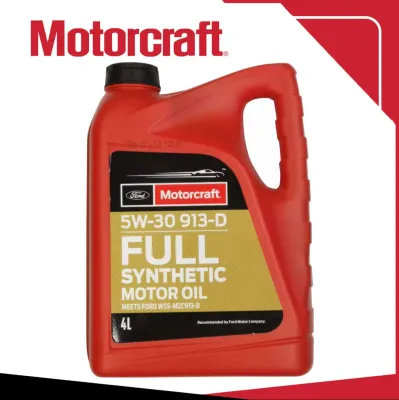
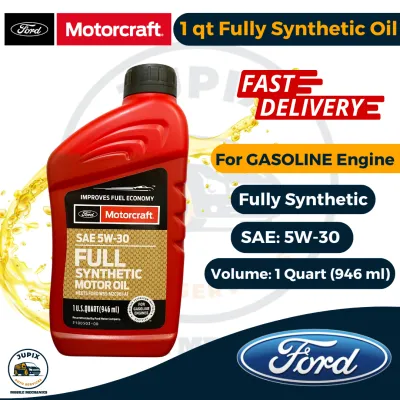
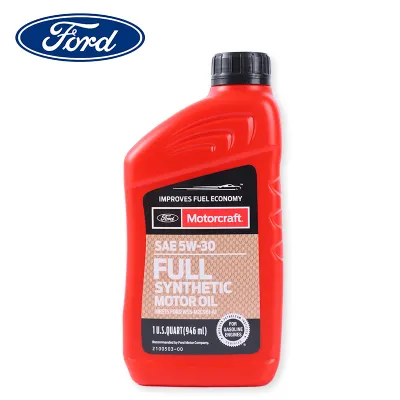
![Ford Fully Synthetic Engine Oil 5W-30 [4 quarts + Oil Filter] for Gasoline Ecosport | Fiesta | Focus](https://img.lazcdn.com/g/p/92a494ad1990a001fc88f57d47fe1fa2.png_400x400q80.png_.webp)
Prices are valid at publication and may change. Please refer to the product page for the latest price.
In this rating, the letter “W” stands for winter, which is paired with the first number to describe the oil’s cold-flow characteristics. The second number, which stands alone after the hyphen, represents the oil’s viscosity at high operating temperatures. Together, these two metrics tell you how the oil balances the conflicting demands of rapid flow at startup and robust film strength under intense heat.
Understanding this balance is crucial because motor oil naturally changes thickness as its temperature shifts. It becomes thicker when cold and thinner when hot. The chemical formulation of multi-grade oils uses viscosity index improvers to control this thinning process, ensuring the oil remains within safe operating limits throughout your drive.
The "5W" Cold-Start Rating
The “5W” portion of the rating measures the oil’s resistance to flow at low temperatures. A lower number before the “W” indicates that the oil remains more fluid and flows more easily in cold conditions, allowing it to pump quickly through the engine block during a cold start.
While “cold” in laboratory testing involves sub-zero temperatures, a cold start in automotive terms refers to any time you start an engine that has sat long enough to cool down to the ambient temperature. Even in a warm climate, an engine at startup is significantly cooler than its operating temperature of around 90 to 105 degrees Celsius. A 5W rating ensures that the lubricant can quickly travel from the oil pan to the overhead camshafts and valve train within seconds of turning the key, minimizing dry friction.
The "30" Operating Temperature Rating
The “30” in 5W-30 represents the oil’s viscosity grade measured at 100 degrees Celsius, which is the standard benchmark for a fully warmed-up engine. This number indicates the oil’s thickness and its ability to maintain a strong, protective barrier between rapidly moving metal parts under normal operating conditions.
A higher second number means the oil retains more thickness at high temperatures, providing a more robust cushion for heavy-duty use or high-load driving. However, a thicker oil also creates more internal drag, which can slightly decrease fuel efficiency. The rating of 30 represents a carefully engineered balance, offering sufficient film strength to protect bearings and pistons without causing unnecessary resistance that robs the engine of power.
How 5W-30 Viscosity Impacts Daily Engine Protection
The practical impact of using Motocraft 5W-30 oil lies in how it manages wear during the most vulnerable moments of engine operation. The vast majority of engine wear occurs during startup, before the oil pump has fully pressurized the lubrication system. Because a 5W oil flows relatively quickly, it reduces the duration of this metal-on-metal contact, protecting critical components like piston rings, cylinder walls, and bearings from premature degradation.

Once your vehicle is running and navigating congested city streets or high-speed expressways, the “30” rating comes into play. In stop-and-go traffic, engine temperatures can rise quickly due to limited airflow through the radiator. The oil must resist thinning out excessively under these harsh conditions; if the oil becomes too thin, the protective barrier can shear, leading to direct contact between moving parts and potential engine damage.
However, the effectiveness of this protection is entirely dependent on your engine’s internal design. Modern engines are built with incredibly tight clearances between moving parts, requiring thinner oils to penetrate these small gaps. Using an oil that is too thick can prevent proper flow into these tight spaces, while using an oil that is too thin can fail to provide enough cushion. Therefore, the ideal viscosity is not about finding the thickest oil available, but rather matching the exact flow characteristics your engine was designed to use.
How to Confirm if 5W-30 Is the Correct Spec for Your Car
Before purchasing Motocraft 5W-30 oil, you must verify that this specific viscosity grade is approved for your vehicle. The primary and most reliable source for this information is your vehicle’s owner’s manual. Manufacturers include detailed lubrication charts that specify the recommended SAE viscosity grades based on the ambient temperature ranges your vehicle typically encounters.
Another quick reference point is the oil filler cap located on top of your engine. Many manufacturers stamp or print the recommended oil viscosity directly onto this cap for easy identification during routine maintenance. However, because caps can sometimes be replaced or updated, always cross-reference this label with your owner’s manual to ensure accuracy.
It is a common misconception that older or high-mileage engines automatically benefit from switching to a thicker oil, such as a 10W-40 or 20W-50, to stop leaks or reduce noise. While a thicker oil might temporarily slow down minor leaks, it can also restrict oil flow to critical components in an engine designed for a thinner grade. Never deviate from the manufacturer’s recommended viscosity range without consulting a qualified professional mechanic.
Finally, viscosity is only one part of the lubrication equation. You must also check the specific performance standards and certifications printed on the Motocraft product label. Look for specifications such as API (American Petroleum Institute) service categories or ILSAC (International Lubricant Standardization and Approval Committee) ratings. Your owner’s manual will list these required standards, and using an oil that matches the 5W-30 viscosity but lacks the correct performance certification can still lead to engine deposits, emissions system damage, or voided vehicle warranties.
Frequently Asked Questions (FAQ)
Can I mix 5W-30 with other viscosity grades?
In an emergency situation where your oil level is dangerously low, topping off your engine with a different viscosity grade is acceptable to prevent immediate engine damage from oil starvation. However, this should only be a temporary measure. Mixing different grades alters the overall viscosity and can dilute the specific additive package formulated for your engine. If you must mix grades to reach safety, it is highly recommended to schedule a full oil and filter change as soon as possible to restore the correct, uniform viscosity and performance characteristics specified by your vehicle manufacturer.
Is Motocraft 5W-30 suitable for both gasoline and diesel engines?
A 5W-30 viscosity rating alone does not determine whether an oil is safe for a gasoline or diesel engine. Diesel engines operate under much higher compression ratios and produce more soot, requiring specialized detergent and dispersant additives to keep the engine clean. You must check the back label of the Motocraft bottle for specific industry certifications. Gasoline engines typically require API SP or SN ratings, while diesel engines require API CK-4 or CJ-4 ratings. Never use an oil formulated exclusively for gasoline engines in a diesel vehicle, or vice versa, as this can lead to severe engine deposits and exhaust aftertreatment system failure.

Community discussion
Share your experience or ask a question. Comments are reviewed before publication.