
The 5W-30 label is a multi-grade viscosity rating that indicates how an engine oil flows during cold starts and at normal operating temperatures. While platinum engine oil 5W-30 is a popular choice for many modern vehicles, the only way to confirm if it is the correct specification for your specific engine is by consulting your vehicle manufacturer’s owner’s manual.
In tropical climates like the Philippines, drivers face unique challenges such as high ambient temperatures, intense humidity, and prolonged stop-and-go traffic. These environmental factors place significant stress on your engine, making the choice of oil viscosity and quality standard highly consequential. Understanding what these numbers mean on the bottle helps you make an informed decision at the auto shop rather than relying on guesswork.
Decoding the 5W-30 Viscosity Rating
To understand 5W-30, it helps to break down the alphanumeric code established by the Society of Automotive Engineers (SAE). The “5W” portion of the rating refers to the oil’s low-temperature flow characteristics, with the “W” standing for winter. Even in warm regions where freezing temperatures are non-existent, a lower winter rating is still highly relevant. When your vehicle sits overnight, the oil settles into the oil pan; during a morning startup, a lower number like 5W ensures the fluid remains thin enough to pump quickly to the top of the engine, protecting critical components from dry friction within those first crucial seconds.
Products mentioned in this guide
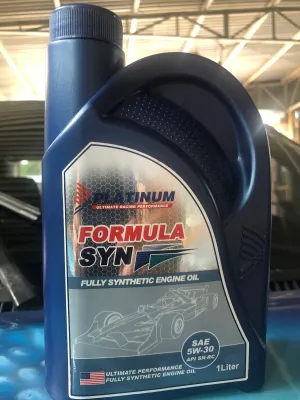
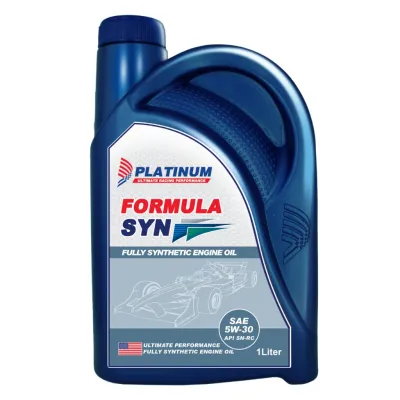
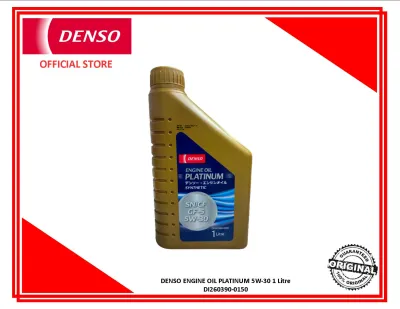
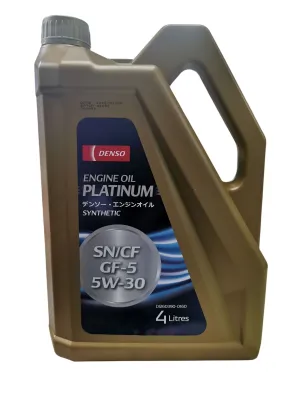
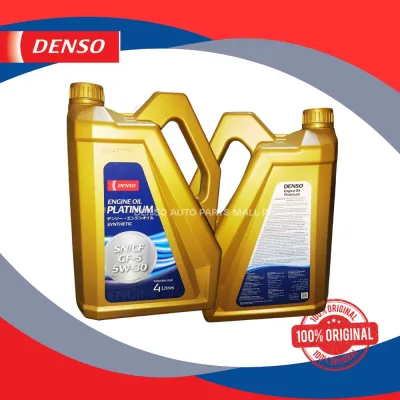
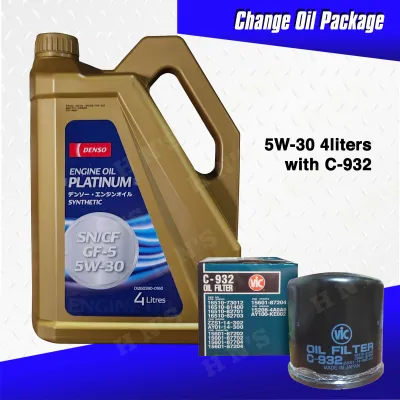
Prices are valid at publication and may change. Please refer to the product page for the latest price.
The second number, “30,” represents the oil’s high-temperature viscosity rating, measured at standard engine operating temperatures of 100°C. This number indicates how thick the oil remains when the engine is fully warmed up and working hard under the hood. A rating of 30 provides a balanced, protective lubricating film that resists thinning out under heat, which is particularly important when navigating congested city streets or climbing steep mountain passes in high ambient heat.
Multi-grade oils like 5W-30 are formulated with special additives called viscosity index improvers. These polymers expand as the engine heats up, allowing the oil to behave like a thin oil when cold and a thicker oil when hot. While this adaptability makes multi-grade oils highly versatile across different driving conditions, it does not mean they are a universal solution for every vehicle. Every engine is engineered with specific internal clearances that require a precise viscosity range to function correctly.
How to Verify If 5W-30 Matches Your Vehicle
Before purchasing any engine oil, you must verify that the viscosity matches your vehicle’s exact requirements. The most reliable place to find this information is in your vehicle owner’s manual under the specifications or maintenance section. Many manufacturers also print the recommended oil viscosity directly on the engine’s oil filler cap or on a label located under the hood near the radiator support.

It is a common mistake to assume that 5W-30 is universally safe simply because it is widely available on retail shelves. Modern engines are built with incredibly tight tolerances and complex variable valve timing systems that rely on oil pressure to operate. Using an oil that is too thick or too thin can disrupt these systems, leading to poor performance, check engine lights, or physical damage to internal bearings.
If you use an incorrect viscosity, you risk altering the internal oil pressure of your engine. An oil that is too thin may fail to maintain a sufficient protective barrier between moving metal parts, leading to accelerated wear. Conversely, an oil that is too thick can cause excessive resistance, reducing fuel economy and preventing the oil from flowing quickly enough to reach critical components during startup.
What "Platinum" Means for Engine Oil Quality
When shopping for motor oil, you will often see terms like “platinum” featured prominently on the packaging. In the automotive fluid industry, “platinum” is typically a marketing designation used by manufacturers to identify their premium, full-synthetic product lines rather than an official technical grade. While full-synthetic oils generally offer better resistance to thermal breakdown and oxidation than conventional oils, the word “platinum” alone does not guarantee compatibility with your engine.
To ensure an oil meets the necessary quality standards, you must look past the marketing terms and examine the technical certifications on the back label. Look for official certification marks from organizations like the American Petroleum Institute (API) or the International Lubricant Standardization and Approval Committee (ILSAC). These symbols, such as the API “Donut” or the ILSAC “Starburst,” confirm that the oil has undergone rigorous testing to meet modern performance and emissions standards.
Additionally, many vehicle manufacturers require specific original equipment manufacturer (OEM) approvals, especially for European or high-performance vehicles. These specifications are listed as unique codes on the back of the bottle. Matching these exact OEM specifications is far more important for maintaining your vehicle’s warranty and engine health than choosing an oil based solely on premium marketing labels.
Maintenance and Oil Change Considerations
Maintaining a regular oil change schedule is vital for preserving engine health, especially under demanding driving conditions. You should always follow the oil drain intervals recommended by your vehicle manufacturer, which can vary depending on whether your driving habits fall under “normal” or “severe” operating conditions. Frequent short trips, idling in heavy traffic, and driving in dusty or highly humid environments are all classified as severe conditions that typically require more frequent oil changes.
If you are considering switching to a different oil viscosity—perhaps because your vehicle has high mileage or you operate in extreme environments—it is highly recommended to consult a qualified mechanic first. While some older engines might benefit from a slightly thicker oil to reduce consumption, modern engines with precise clearances can suffer severe damage if the viscosity is altered without professional guidance.
Whenever you perform an oil change, always replace the oil filter at the same time to prevent old contaminants from dirtying your fresh oil. When purchasing parts, budget a reasonable amount—often ranging from a few hundred Pesos ₱ up to over a thousand Pesos ₱ depending on the vehicle make—for a high-quality OEM or reputable aftermarket filter. Before starting any DIY maintenance, ensure your vehicle is safely parked on a level surface with the parking brake engaged, use rated jack stands if raising the vehicle, and consult your manual for the correct drain plug torque specifications to prevent leaks or stripped threads.
Frequently Asked Questions (FAQ)
Can I mix 5W-30 with a different viscosity like 5W-20?
Mixing different oil viscosities is generally not recommended because it alters the final flow characteristics of the fluid in an unpredictable way. Engine oils are carefully engineered with specific additive packages and base oil ratios; mixing them can dilute these additives and compromise the oil’s ability to protect your engine. If you experience a low-oil emergency and must top off your engine, using a different viscosity is acceptable to prevent immediate engine seizure, but you should schedule a full oil and filter change as soon as possible to restore the correct specification.
Does 5W-30 improve fuel economy compared to thicker oils?
Using a lower high-temperature viscosity oil like 5W-30 can reduce internal engine drag compared to thicker oils like 10W-40, which can lead to marginal improvements in fuel economy. However, these efficiency gains only occur if your engine’s bearings and internal clearances were specifically designed to run on a lower-viscosity fluid. Deviating from your manufacturer’s recommended oil grade to chase better fuel economy can result in insufficient lubrication, leading to metal-on-metal contact and severe, costly engine wear.

Community discussion
Share your experience or ask a question. Comments are reviewed before publication.