
Selecting the correct engine oil is one of the most critical decisions you can make to ensure the longevity and performance of your vehicle’s engine. Among the various options on the auto shop shelf, 5W30 is one of the most common viscosity grades recommended by modern car manufacturers. Understanding what these numbers mean helps you make an informed choice at your next oil change, ensuring your engine remains protected under diverse driving conditions.
Decoding the 5W30 Viscosity Rating
The alphanumeric code on an engine oil bottle represents its viscosity grade, which is determined by the Society of Automotive Engineers (SAE). Viscosity refers to a fluid’s resistance to flow; in simple terms, it is how thick or thin the oil is at specific temperatures. Because modern vehicles must operate in varying climates and engine temperatures, they require multi-grade oils that can adapt to these changes.
The “5W” portion of the rating denotes the oil’s low-temperature performance, with the “W” standing for winter. The number preceding the W indicates how easily the oil flows when the engine is cold, such as during a morning start. A lower winter rating, like 5, means the oil remains fluid at lower temperatures, allowing it to pump quickly through the engine block to lubricate critical components during those crucial first few seconds of operation.
Products mentioned in this guide
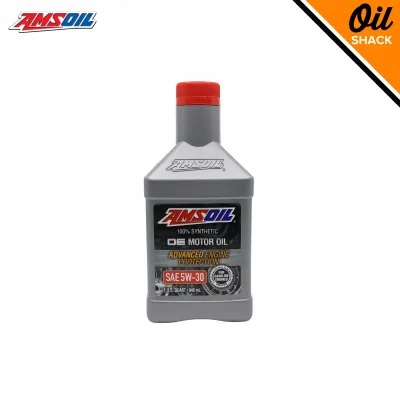
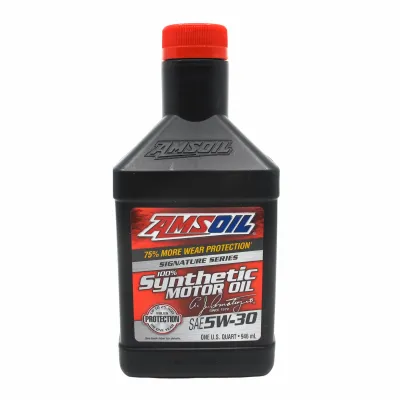
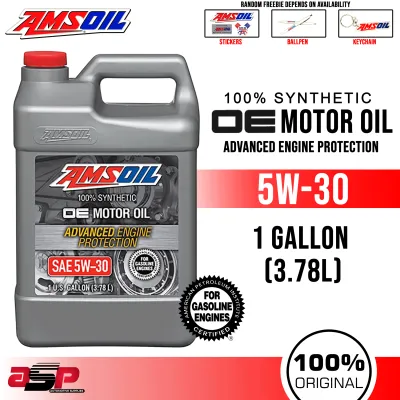
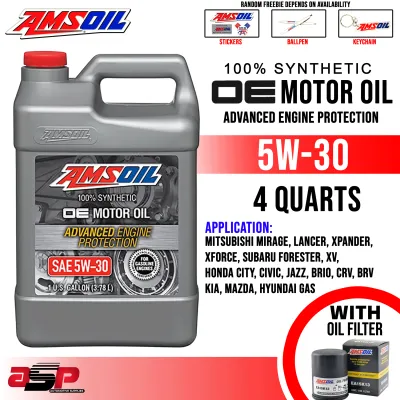
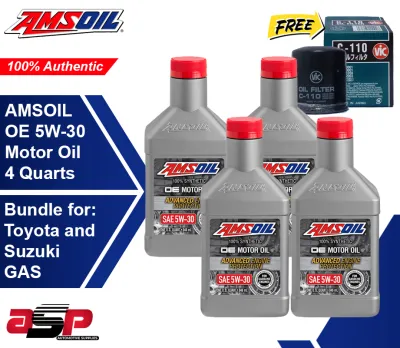
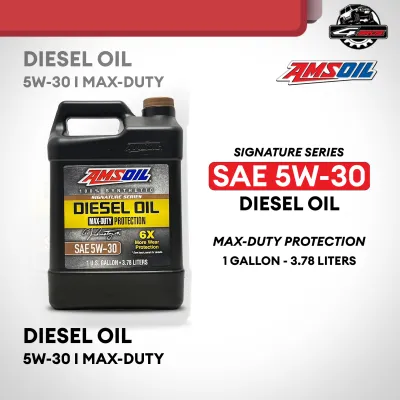
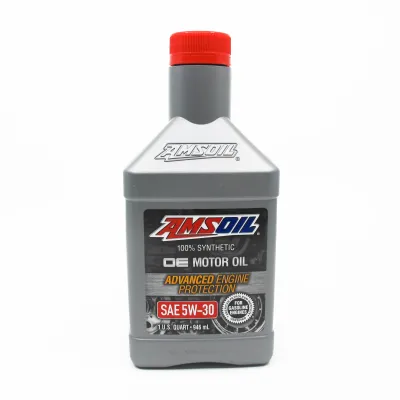
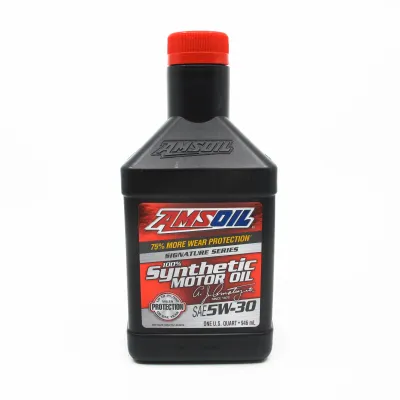
Prices are valid at publication and may change. Please refer to the product page for the latest price.
The “30” in 5W30 represents the oil’s viscosity at the engine’s normal operating temperature, which is typically measured at 100 degrees Celsius. This rating indicates the oil’s ability to maintain a protective lubricating film when the engine is fully warmed up and running under load. A rating of 30 strikes a balance, providing sufficient thickness to prevent metal-on-metal contact while remaining thin enough to minimize internal drag and promote efficient engine operation.
Is 5W30 the Right Choice for Your Engine?
Determining whether 5W30 is suitable for your vehicle requires looking beyond general recommendations. Your primary source of truth should always be the vehicle owner’s manual or the oil filler cap located under the hood, where manufacturers print the exact viscosity and performance specifications required for that specific engine design.

Deviating from the manufacturer’s recommended viscosity can have noticeable consequences for your vehicle’s health. Using an oil that is too thick can increase internal resistance, which lowers fuel economy and makes it harder for the oil pump to distribute lubricant through tight engine clearances. Conversely, using an oil that is too thin may fail to create a strong enough barrier between moving parts, leading to accelerated wear and potentially voiding your manufacturer’s warranty.
In tropical regions like the Philippines, where ambient temperatures remain consistently warm and humidity is high, some drivers believe they must use thicker oils like 10W40 or 20W50. However, modern engines are engineered with incredibly tight tolerances that rely on the rapid flow of lower-viscosity oils like 5W30. While ambient heat does play a role in oil selection, the internal operating temperature of a warmed-up engine remains highly regulated by its cooling system, making the original equipment manufacturer (OEM) specification the most reliable baseline.
Evaluating AmAOil 5W30 and Other Brand Options
When shopping for motor oil, you will encounter various brands, including AmAOil 5W30, alongside established names like Shell, Castrol, and Motul. To evaluate these options objectively, you must look past marketing claims and focus on the technical specifications printed on the product labels.
First, examine the bottle for industry-standard certifications, such as those from the American Petroleum Institute (API) or the European Automobile Manufacturers’ Association (ACEA). For instance, a high-quality 5W30 oil might carry an API SP or SN Plus rating, indicating it meets modern standards for wear protection, sludge control, and low-speed pre-ignition prevention.
Second, check for specific OEM approval codes on the back label. Many manufacturers, such as General Motors, Mercedes-Benz, and Volkswagen, have their own proprietary oil standards. If you are considering AmAOil 5W30 or any other brand, verify that the specific bottle lists the exact approval code required by your vehicle manufacturer. Comparing brands based on these verifiable certifications ensures you choose an oil that meets the precise engineering demands of your engine.
When to Change Your 5W30 Engine Oil
Maintaining a consistent oil change schedule is just as important as choosing the correct viscosity. You should always follow the mileage or time-based drain intervals specified in your vehicle’s owner’s manual. These intervals can vary significantly depending on whether you use conventional, semi-synthetic, or fully synthetic 5W30 oil, as well as your typical driving habits.
Regular physical inspections can help you monitor the condition of your oil between scheduled services. Use the engine dipstick to check the oil level weekly, ensuring it remains between the minimum and maximum indicators. While checking the level, observe the oil’s color and consistency; while oil naturally darkens over time, a milky texture suggests coolant contamination, while an extremely thick, gritty sludge indicates that the oil has severely degraded and requires immediate replacement.
Avoid extending your oil drain intervals beyond the manufacturer’s recommended limits. Operating under severe driving conditions—such as frequent stop-and-go traffic in congested urban areas or short trips where the engine does not reach full operating temperature—can accelerate oil breakdown. Unless you have verified your oil’s condition through professional laboratory analysis, stick to the recommended service schedule to protect your engine.
Frequently Asked Questions (FAQ)
Can I mix 5W30 with other viscosity grades?
Mixing 5W30 with other viscosity grades is generally not recommended because it alters the overall flow characteristics of the lubricant. While mixing different grades will not cause immediate engine failure in an emergency, it can compromise the oil’s ability to protect your engine at extreme temperatures. If you must top up with a different viscosity to reach safety, schedule a full oil and filter change as soon as possible to restore the correct specification.
Is 5W30 suitable for high-mileage engines?
Yes, 5W30 is suitable for high-mileage engines if it is the viscosity grade originally specified by your vehicle manufacturer. High-mileage formulations of 5W30 are widely available and contain specialized seal conditioners to help prevent oil leaks and reduce consumption in older engines. You should continue using the recommended 5W30 viscosity unless a qualified mechanic advises switching to a thicker grade due to physical engine wear or low oil pressure.

Community discussion
Share your experience or ask a question. Comments are reviewed before publication.