
Choosing the correct coolant for your Toyota Wigo is critical for preserving engine health and ensuring reliable performance. To protect your engine from overheating and corrosion, the Toyota Wigo requires a high-quality, ethylene glycol-based coolant formulated specifically for Asian vehicles. This is typically a Phosphated Organic Acid Technology (P-OAT) fluid matching the factory-fill Toyota Super Long Life Coolant (SLLC) specification. While this standard applies across most model years, always verify the exact requirements in your vehicle’s owner’s manual, as specifications can vary slightly depending on the engine generation and production year.
The Correct Coolant Specification for Your Toyota Wigo
The Toyota Wigo utilizes a compact aluminum engine block designed for fuel efficiency and rapid heat dissipation. While aluminum is highly effective at keeping the vehicle lightweight, it is also sensitive to corrosion and scale buildup if paired with incompatible cooling fluids. In the tropical climate of the Philippines, where ambient temperatures frequently exceed 30°C and heavy traffic in urban areas like Metro Manila puts immense thermal stress on the engine, your coolant must perform under extreme conditions.
To maintain optimal heat transfer and prevent hot spots, the Wigo relies on a coolant that provides robust boiling protection and advanced corrosion inhibitors. Using a fluid that does not meet the manufacturer’s exact specifications can lead to localized boiling, water pump cavitation, and accelerated degradation of internal cooling passages. Because different generations of the Wigo may have minor variations in their cooling system designs, checking your specific model year’s owner’s manual is the first step before purchasing any replacement fluid.
Products mentioned in this guide
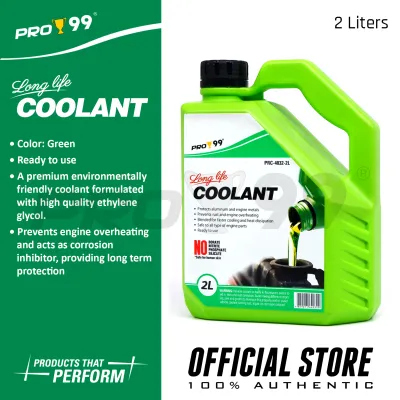
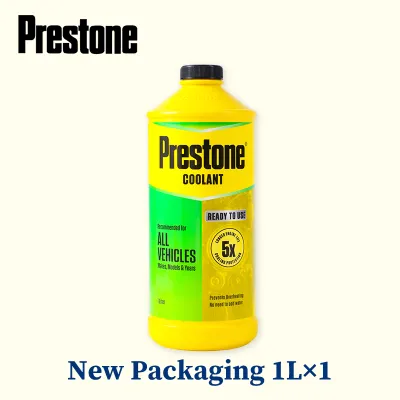
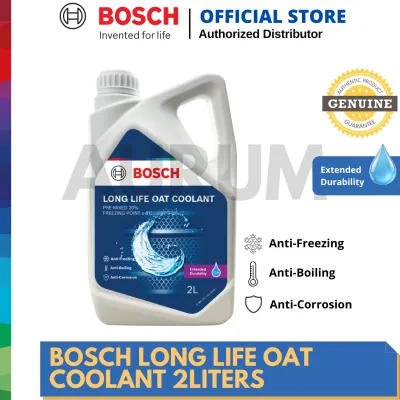
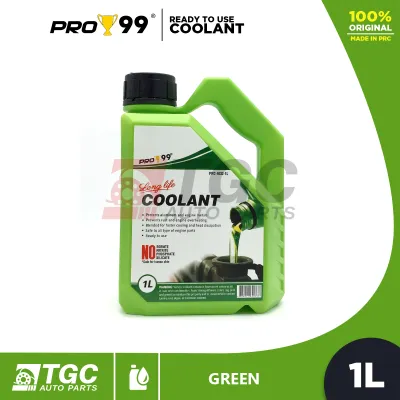
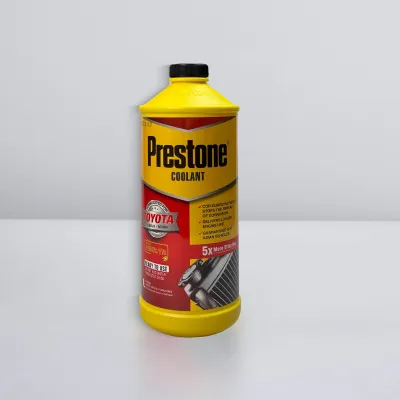
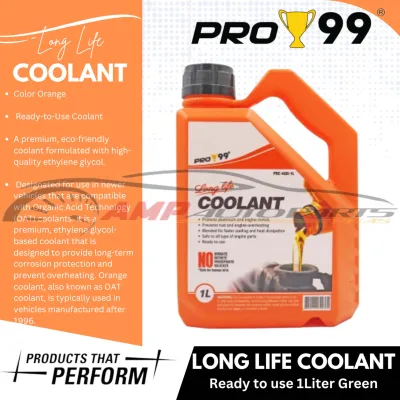
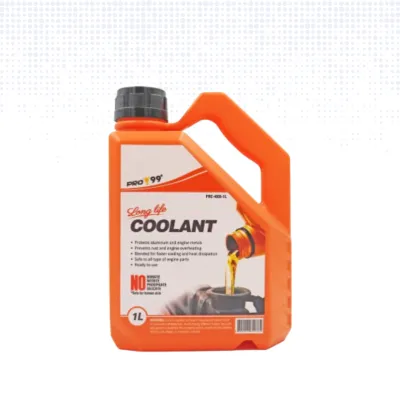
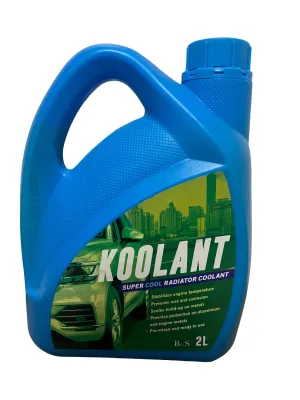
Prices are valid at publication and may change. Please refer to the product page for the latest price.
Decoding Coolant Labels: Key Specifications for the Wigo
Navigating the shelves of an auto supply shop can be challenging given the variety of coolant formulations available. Understanding the technical terms on labels will help you make a safe choice for your vehicle.

Chemical Composition (Phosphates vs. Silicates) Asian automotive manufacturers, including Toyota, design their cooling systems with specific materials that require Phosphated Organic Acid Technology (P-OAT). These formulations use phosphates to provide rapid protection for aluminum surfaces, but they are entirely free of silicates, borates, and amines. European vehicles often use silicate-based coolants, but silicates can act as an abrasive in Asian engines, leading to premature wear on water pump seals and eventual leaks. When reading product labels, look for explicit mentions of P-OAT or statements confirming the fluid is silicate-free and phosphate-compliant.
Color Coding While color is a convenient visual indicator, it is not a reliable universal standard for coolant performance. Toyota OEM coolant is typically pink or red, which helps owners quickly identify leaks. However, aftermarket manufacturers can dye their products any color they choose. You should never assume a coolant is compatible with your Wigo simply because it matches the pink or red color of your existing fluid. Always prioritize the chemical specifications listed on the label over the color of the liquid.
Pre-mixed vs. Concentrate Coolants are generally sold in pre-mixed (ready-to-use) and concentrated formats. Pre-mixed coolants are blended at a 50/50 ratio with deionized water, allowing you to pour them directly into your reservoir. Concentrates require manual dilution. If you choose a concentrate, you must mix it exclusively with distilled or deionized water. Never use tap water, as it contains minerals like calcium and magnesium that precipitate under high heat, forming scale deposits that clog radiator tubes.
OEM vs. Aftermarket Coolants: Which Should You Buy?
When purchasing coolant for your Wigo, you will generally choose between genuine Toyota fluids and aftermarket alternatives. Both options can keep your engine running cool, provided you adhere to strict compatibility guidelines.
Genuine OEM Coolant Using official Toyota Super Long Life Coolant (SLLC) is the safest choice for your vehicle. This is the exact fluid used to fill the cooling system at the factory, offering guaranteed chemical compatibility with the hoses, seals, and metals inside your Wigo’s engine. While genuine OEM coolant sits at a higher price band—typically ranging from ₱800 to over ₱1,500 per gallon—it provides peace of mind and eliminates the risk of introducing incompatible chemicals.
Aftermarket Equivalents If you prefer a more budget-friendly option, several reputable aftermarket brands offer high-quality coolants designed for Asian vehicles. These products are usually priced in a lower band, typically between ₱300 and ₱600. When selecting an aftermarket brand, verify that the label explicitly states compatibility with Toyota SLLC or meets the ASTM D3306 standard for phosphate-based organic acid technology.
What to Avoid Avoid generic “all makes, all models” universal coolants. These formulations often use compromised chemical profiles to cover a broad range of cars, which may not provide the specialized corrosion protection your Wigo’s aluminum engine requires. Additionally, avoid European-spec coolants that rely on silicates, as well as older green coolants, as these can rapidly degrade your water pump seals.
Safe Practices for Checking and Topping Up Coolant
Performing regular maintenance on your cooling system is straightforward, but it requires strict adherence to safety protocols to prevent personal injury and mechanical damage.
Safety First The most critical safety rule of cooling system maintenance is to never open the radiator cap or the coolant reservoir cap while the engine is hot or running. The cooling system operates under high pressure, and opening a hot system can cause boiling liquid and steam to spray out violently, resulting in severe burns. Always park your Wigo on a level surface, turn off the engine, and wait at least one to two hours for the engine to cool down completely before touching any cooling system components. Refer to your owner’s manual for specific safety warnings and component locations before starting.
Checking the Level To inspect your coolant level, look at the translucent plastic reservoir tank located in the engine bay. On a level surface, the fluid level should sit between the “LOW” and “FULL” markings molded into the side of the tank. You do not need to open the radiator cap for a routine check; a simple visual inspection of the reservoir is sufficient.
Topping Up Rules If the fluid level is low, top it up using the exact same coolant specification and color currently in your system. Mixing different types of coolant can trigger a chemical reaction, leading to gelation or sludge that blocks coolant flow. If you notice that your Wigo requires frequent top-ups, do not continue adding fluid indefinitely. A rapidly dropping coolant level indicates a leak, which requires an immediate inspection by a qualified professional.
Frequently Asked Questions (FAQ)
Can I use distilled water instead of coolant in my Toyota Wigo?
While distilled water can be used in a temporary emergency to prevent your engine from overheating, it should never be used as a permanent replacement for proper coolant. Pure water lacks the essential anti-corrosion additives required to protect your Wigo’s aluminum engine components from rust and scale. Furthermore, water has a lower boiling point than a 50/50 coolant mixture. In the high ambient heat of the Philippines, relying solely on water increases the risk of the fluid boiling off, leading to rapid engine overheating. If you must use distilled water in an emergency, have the system flushed and refilled with the correct coolant specification as soon as possible.
What happens if I mix different coolant colors in my Wigo?
Mixing different coolant colors or incompatible chemical formulations can cause severe damage to your engine. When distinct coolant technologies—such as a phosphate-free European formula and a phosphate-rich Asian formula—are mixed, their chemical additives can react negatively. This reaction often causes the fluid to break down and form a thick, jelly-like sludge. This sludge can easily clog the narrow passages of your radiator, restrict fluid flow through the engine block, and cause the water pump to fail. Ultimately, this restriction in heat transfer will lead to severe engine overheating, which can warp the cylinder head and result in costly engine repairs.

Community discussion
Share your experience or ask a question. Comments are reviewed before publication.