
When purchasing a Spyder modular helmet in the Philippines, the presence of PSB and ICC certifications serves as your primary assurance that the gear complies with national safety standards. These markings are not merely decorative decals; they are legally mandated proofs of compliance. For riders navigating busy urban streets or provincial highways, these certifications verify that the helmet has undergone standardized testing to help protect against severe head injuries during an impact. Understanding what these labels represent allows you to make an informed decision, ensuring your riding gear is both legally compliant and structurally sound.
Decoding the PSB and ICC Marks for Motorcycle Helmets
The Philippine Standard (PSB) mark and the Import Commodity Clearance (ICC) sticker are the two primary regulatory symbols you will encounter on motorcycle helmets. The PSB mark is issued to manufacturers whose production processes and products consistently meet the quality and safety benchmarks established by the Bureau of Philippine Standards (BPS). When a helmet carries this mark, it indicates that the manufacturing facility and the product itself have undergone direct assessment and regular audits to ensure consistent quality control.
In contrast, the ICC sticker is mandatory for imported consumer products, including motorcycle helmets brought into the local market. Because many helmet brands manufacture their products overseas, these shipments must undergo sampling and basic safety inspections upon arrival. The issuance of an ICC sticker confirms that the specific batch of imported helmets has passed these essential safety evaluations before being distributed to retail shops or online marketplaces.
Products mentioned in this guide
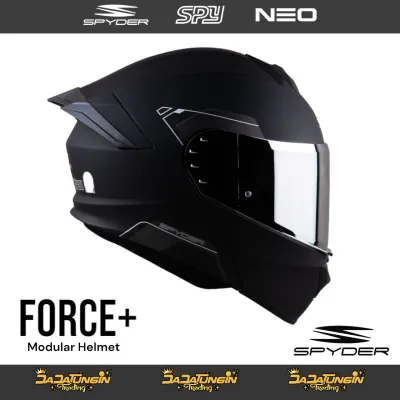
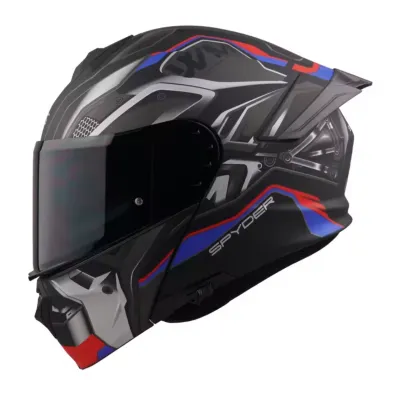
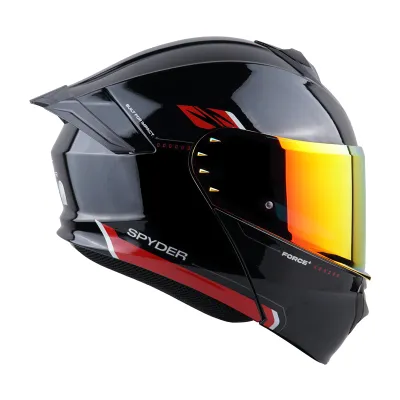
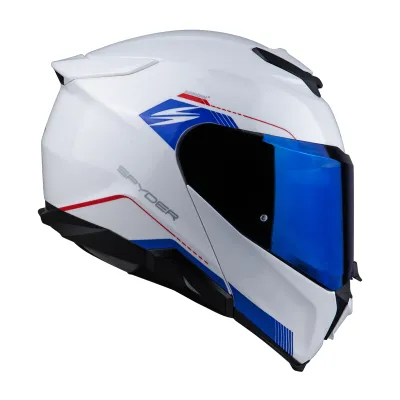
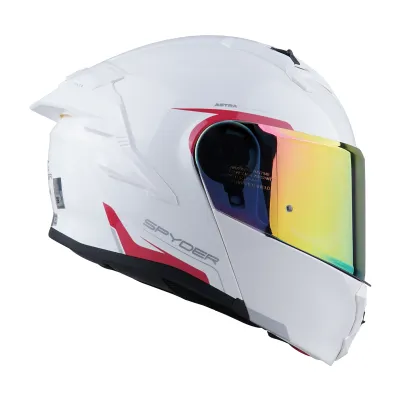
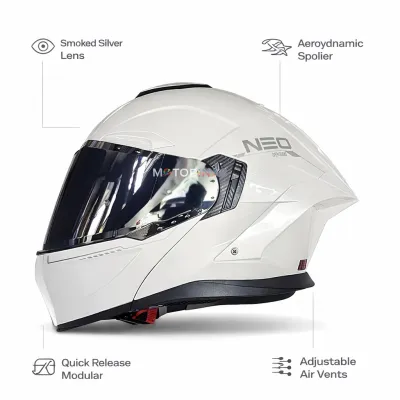
Prices are valid at publication and may change. Please refer to the product page for the latest price.
It is crucial to understand that both the PSB and ICC marks establish a legal baseline for road safety rather than indicating premium, professional, or track-level performance. They guarantee that the helmet meets the minimum structural requirements to protect a rider under normal road conditions. While a certified helmet offers vital protection, these markings do not automatically mean the helmet is designed for high-speed racing or extreme motorsport environments, which often require specialized international certifications.
Why Compliance Matters When Buying a Spyder Modular Helmet
Opting for a certified Spyder modular helmet is a critical decision that directly impacts your physical safety on the road. Substandard or counterfeit helmets often use brittle plastics and low-grade foam that fail to absorb impact energy, putting the rider at extreme risk. A certified modular helmet ensures that the materials used in its construction can withstand specific impact forces, significantly reducing the risk of severe trauma during an accident.

For modular helmets, structural integrity is particularly complex due to the movable chin bar. Unlike fixed full-face helmets, a modular design relies on hinges, locks, and pivot points to transition between an open-face and a closed-face configuration. Certification processes verify that this chin bar mechanism remains securely locked during an impact, helping prevent it from forcing open and exposing your face and jaw to the road. Without these verified checks, a substandard modular helmet might fail at its weakest point—the hinge—when you need protection most.
Beyond physical safety, riding with a non-compliant helmet carries significant legal and financial consequences. Traffic authorities in the Philippines actively enforce helmet laws, and riding with an uncertified helmet can lead to costly traffic apprehensions, confiscation of license, or fines starting at ₱1,500 for a first offense under national regulations. Furthermore, in the event of a road accident, insurance providers often review police reports and equipment specifications; using an uncertified helmet may complicate or invalidate your personal accident or medical insurance claims.
How to Verify Authentic PSB and ICC Labels Before Purchase
Verifying the authenticity of safety labels is a vital step before finalizing your purchase, especially with the rise of counterfeit stickers in the market. Genuine ICC stickers are typically applied to the rear of the helmet shell or on the visor. These stickers feature specific security elements, such as unique serial numbers, holographic patterns that shift under light, and clean, precise printing. If a sticker looks blurry, lacks a serial number, or has peeling edges, it may be a counterfeit.
In addition to the external sticker, you should always inspect the interior of the helmet. Authentic certified helmets feature a permanent compliance label sewn into the inner comfort liner or printed on the retention strap. This internal label provides critical details, including the manufacturer’s name, the specific helmet model, the manufacturing date, and the exact safety standards met. This information must match exactly with the external sticker and the product packaging.
When examining a helmet at a retail store, look out for common red flags that indicate tampering. A genuine sticker is designed to destroy itself or leave a distinct pattern if someone attempts to peel it off and transfer it to another helmet. If you notice adhesive residue around the sticker, mismatched model names between the inner liner and the outer shell, or a sticker that easily lifts at the corners, do not purchase the helmet. Always buy from authorized dealers or official brand stores to ensure the product’s legitimacy.
Modular Helmet Safety Checks Beyond the Compliance Stickers
While compliance stickers confirm that a helmet model has passed regulatory testing, performing your own physical inspection of a modular helmet is highly recommended. Start by thoroughly testing the chin bar locking mechanism. Close the chin bar firmly until you hear a distinct, solid click, indicating that the metal or heavy-duty plastic latches have fully engaged. Once locked, apply moderate upward manual pressure to the chin bar to ensure it does not release or wobble.
Next, inspect the visor pivot points and the surrounding rubber seals. In tropical climates like the Philippines, heavy downpours and high humidity can quickly expose weaknesses in a helmet’s construction. The visor should operate smoothly through its detents and seal tightly against the helmet shell when fully closed. A proper seal helps prevent rainwater from seeping into your eyes and helps minimize distracting wind noise at higher speeds, allowing you to maintain focus on the road.
Finally, examine the internal Expanded Polystyrene (EPS) foam liner by removing the comfort padding. The EPS liner is the primary shock-absorbing component of the helmet. Check that the foam is of uniform thickness and free from visible cracks, deep indentations, or gaps, particularly around the modular hinges and strap anchor points. The liner should fit snugly against the outer shell without any shifting, helping ensure that the helmet’s energy-absorbing properties remain intact.
Frequently Asked Questions (FAQ)
Can I legally ride in the Philippines with a Spyder helmet that only has an ICC sticker?
Yes, you can legally ride on public roads with a Spyder helmet that only bears an authentic ICC sticker. Because Spyder helmets are imported products, they receive the Import Commodity Clearance (ICC) sticker rather than the local PSB manufacturing mark. As long as the ICC sticker is genuine, intact, and verifiable by traffic authorities, the helmet meets all legal requirements for road use in the country.
Does a PSB or ICC mark mean the helmet is approved for high-speed racing?
No, a PSB or ICC mark does not mean the helmet is approved for high-speed racing or professional track use. These certifications indicate compliance with baseline safety standards for daily commuting and general road use. Professional motorcycle racing requires specialized helmets that meet stricter international motorsport standards, such as FIM certification or specific racing-grade ECE and Snell ratings, which are designed to handle extreme high-velocity impacts.

Community discussion
Share your experience or ask a question. Comments are reviewed before publication.