
When you ride with a motorcycle helmet like the EVO TRX Radix in the Philippines, the presence of Product Safety (PS) and Import Commodity Clearance (ICC) marks is your primary indicator of legal road compliance. These certifications do not represent a premium performance tier; rather, they serve as official verification that the helmet meets the minimum safety standards established by the Bureau of Philippine Standards (BPS). Understanding what these labels guarantee—and how to verify them—is essential for ensuring your physical protection and avoiding roadside penalties.
Understanding the Legal Baseline of PSB and ICC Marks
The PS and ICC marks are mandatory regulatory clearances designed to filter out substandard protective gear from the local market. For riders navigating busy thoroughfares, these stickers are legally mandated proofs of conformity. Under local consumer protection laws, any helmet distributed or used on public roads must bear either a PS mark or an ICC mark to verify that the product batch has undergone basic safety evaluation.
The distinction between the two marks lies in the origin of the product. The PS mark is typically issued for helmets manufactured locally, certifying that the production facility complies with Philippine National Standards. Conversely, the ICC sticker is affixed to imported helmets, indicating that the specific imported shipment has successfully passed quality inspection protocols. For an imported model like the EVO TRX Radix, the ICC sticker serves as the official confirmation of legal entry and compliance.
Products mentioned in this guide
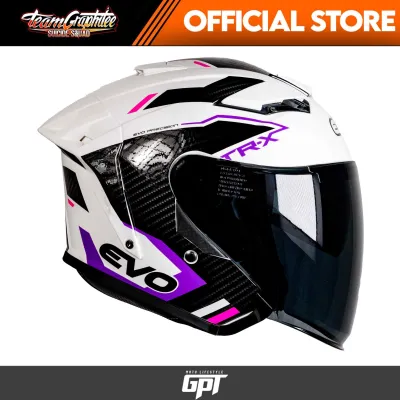
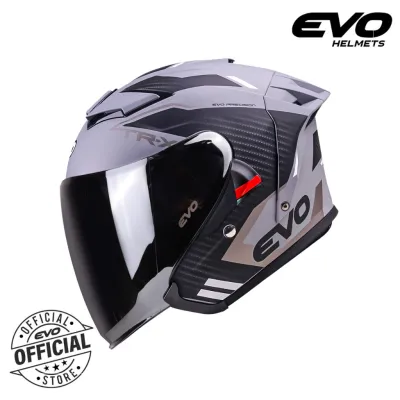
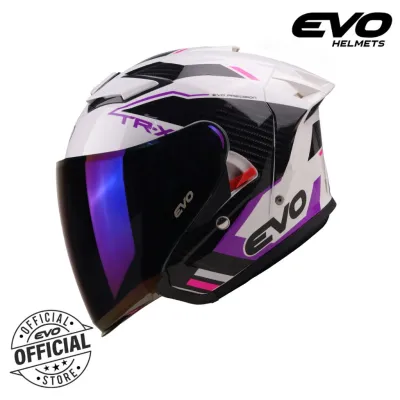
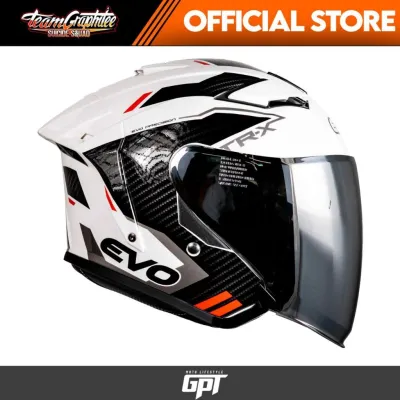
Prices are valid at publication and may change. Please refer to the product page for the latest price.
These certifications establish a baseline of safety rather than a ranking of superior impact performance. They guarantee that the helmet can withstand specific threshold forces, penetration tests, and retention system stresses under standardized laboratory conditions. To understand the exact testing criteria applied, you must look for the specific standard reference number printed directly alongside or within the regulatory mark. This reference number links the helmet to the corresponding version of the national or adopted international standard.
How to Physically Verify Marks on the EVO TRX Radix
Verifying the authenticity of the safety marks on your EVO TRX Radix is a critical step before you take it out on the road. Counterfeit stickers are common on unauthorized online marketplaces, making a physical inspection necessary. On a genuine helmet, the ICC or PS sticker is typically located on the rear lower section of the outer shell, positioned where it is clearly visible to traffic enforcers without obstructing the helmet’s structural design.

Beyond the outer shell, you should inspect the interior components for additional manufacturing and certification details. Look for sewn-in fabric tags on the chin strap or labels anchored beneath the comfort liner. These internal tags often feature the manufacturer’s name, the model designation “TRX Radix,” the manufacturing date, and specific batch numbers. A genuine ICC sticker also incorporates tamper-evident features, such as holographic elements that shift color under direct light, and a unique serial number that can be cross-referenced with official regulatory databases.
To ensure your gear is legitimate, compare the physical labels with the official specifications provided in the manufacturer’s documentation or on authorized dealer websites. Genuine stickers are applied with high-grade adhesives designed to withstand the high humidity and intense heat of tropical riding conditions. If you notice that the labels are peeling at the edges, easily rubbed off, or lack the distinct holographic depth of official government seals, treat this as a critical stop condition. Do not purchase or ride with a helmet that displays compromised, missing, or suspicious safety markings.
Contextualizing Local Clearance Against International Standards
While local PS and ICC marks are legally required for riding in the Philippines, they often coexist with globally recognized testing standards. When examining the EVO TRX Radix, you may find references to international certifications such as the United States Department of Transportation (DOT) standard, the Economic Commission for Europe (ECE) regulations, or the SNELL Memorial Foundation standards. Each of these systems employs different testing methodologies, impact velocities, and headform shapes to evaluate helmet integrity.
It is a common misconception among riders that an international certification automatically supersedes the need for local clearance. Even if a helmet carries a highly respected ECE 22.06 or SNELL certification, it remains legally non-compliant on local roads unless it also bears the official PS or ICC sticker issued by the Department of Trade and Industry (DTI). The local sticker is the only mark recognized by traffic enforcers as proof that the product has been legally cleared for the domestic market.
Conversely, having multiple stickers on a helmet does not mean it offers proportional layers of extra protection. A helmet with three different certification labels is not three times safer than a helmet with one; it simply means the manufacturer has submitted the design to multiple regulatory bodies for testing. When evaluating the safety of your gear, look at the specific standards listed. For instance, the ECE standard is highly regarded for its rigorous rotational impact testing, which is highly relevant for real-world motorcycle accidents. Use these international markings to understand the engineering philosophy behind the helmet, but rely on the local ICC mark to keep your rides legally compliant.
Practical Safety and Fit Checks Beyond the Certification Label
A certification sticker is only valid if the helmet itself is in optimal physical condition and fits your head correctly. Over time, environmental factors common in tropical climates—such as intense UV exposure, high humidity, and acidic sweat—can degrade the protective materials of your helmet. Therefore, you must perform regular physical inspections of your EVO TRX Radix to ensure it remains capable of protecting you in an impact.
Begin your inspection by checking the outer shell for any hairline cracks, deep gouges, or soft spots, which indicate that the structural integrity has been compromised. Next, press firmly on the inner Expanded Polystyrene (EPS) liner; it should feel firm and resilient, not spongy or brittle. The retention system is equally critical, so verify that the chin strap buckle fastens securely and does not slip when pulled under tension.
Fitment is the ultimate factor in real-world helmet performance. A certified helmet that is too loose will shift during a fall, failing to protect the designated impact zones of your head. When wearing the EVO TRX Radix, the cheek pads should press snugly against your face without causing pain, and there should be no gaps around your forehead or temples. If you grasp the helmet and attempt to rotate it, your skin should move with the liner rather than the helmet sliding freely over your head. Remember that no regulatory label can compensate for an improperly fitted helmet or one that has surpassed its recommended service life.
Frequently Asked Questions (FAQ)
Can I legally ride with only an international standard helmet and no local mark?
No, riding on public roads in the Philippines with a helmet that only carries international certifications like DOT or ECE is legally insufficient. Local transport laws mandate that all motorcycle riders wear helmets featuring the official PS or ICC clearance mark. To avoid fines or confiscation at checkpoints, you should ensure your helmet has the appropriate local sticker, or consult the Land Transportation Office (LTO) and current traffic guidelines for any updated rules regarding imported personal gear.
What should I do if the certification sticker on my helmet is fading or damaged?
If the ICC or PS sticker on your helmet becomes illegible due to wear, humidity, or cleaning, you should keep your original official sales receipt and the manufacturer’s product manual in a safe place as secondary proof of purchase. If the label peels off entirely, contact the authorized dealer where you bought the helmet or reach out to the DTI Bureau of Product Standards for guidance on verification. Do not attempt to print or apply a replacement sticker yourself, as this can be mistaken for a counterfeit label.

Community discussion
Share your experience or ask a question. Comments are reviewed before publication.