
When navigating the busy streets of Manila or cruising along provincial highways in the Philippines, your motorcycle helmet is your single most critical piece of safety gear. If you look at the back of any road-legal helmet, you will notice a small, distinctive sticker bearing either a PS or an ICC logo. These are not merely decorative decals or optional badges of quality; they are legally mandated certifications that directly impact your physical survival in the event of a road crash.
Understanding what these stickers signify, how they are earned, and how to verify their authenticity is essential for every Filipino rider. These marks tell you that a helmet has undergone rigorous scientific testing to ensure it can withstand the violent forces of an accident. Choosing a helmet with a genuine certification is the difference between riding with a reliable shield and wearing a useless piece of plastic that could fail when you need it most.
Understanding the PS and ICC Helmet Certification Marks
To understand these safety marks, it helps to know the government body responsible for regulating them. The Bureau of Philippine Standards (BPS), an agency under the Department of Trade and Industry (DTI), oversees the certification of protective helmets. While riders often colloquially refer to these as “PSB” stickers due to regional terminology, the official local mark for locally manufactured helmets is the PS (Philippine Standard) Quality and/or Safety Mark. This certification confirms that a manufacturer operating within the country consistently produces helmets that meet national safety baselines.
Products mentioned in this guide
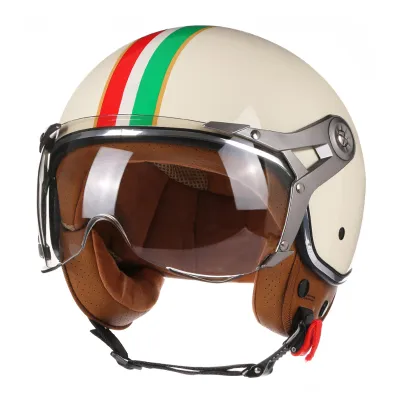
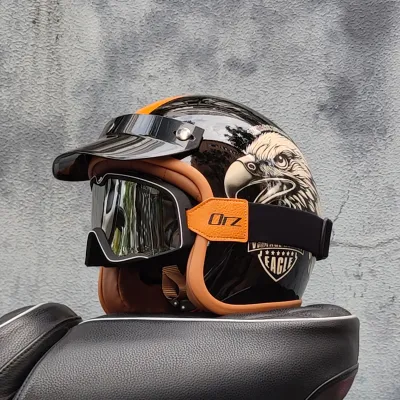
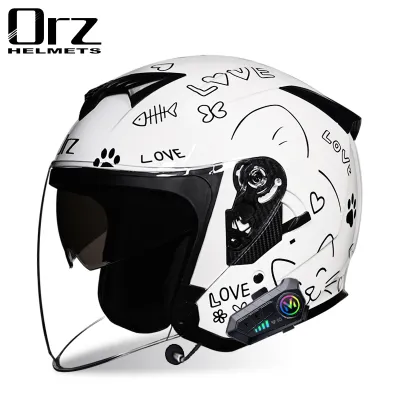
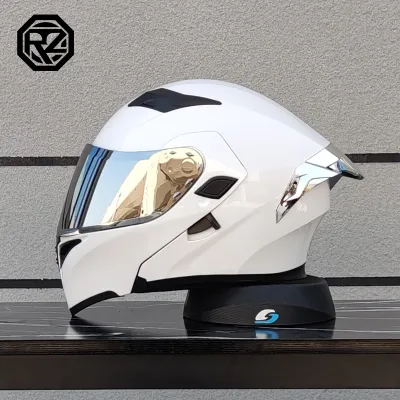
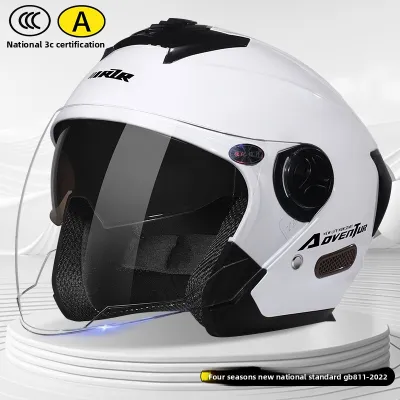
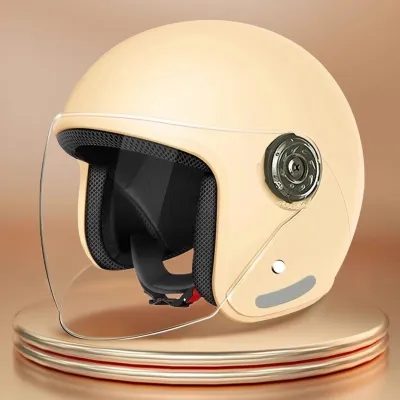
Prices are valid at publication and may change. Please refer to the product page for the latest price.
For the vast majority of helmets sold in the local market, which are manufactured abroad, the relevant mark is the ICC (Import Commodity Clearance) sticker. When an importer brings a shipment of motorcycle helmets into the Philippines, the BPS subjects samples from that batch to physical inspection and verification. Only after the shipment is proven to meet the exact same safety standards as locally made gear is the importer issued the unique, serialized ICC stickers to be affixed to each helmet.
Both the PS and ICC marks indicate compliance with the Philippine National Standards (PNS), specifically PNS UNECE R22.05 or the updated R22.06 standard. These national guidelines are directly aligned with United Nations regulations, ensuring that the safety benchmarks used in the Philippines match global standards. These certifications are mandatory legal requirements under Republic Act No. 10054, also known as the Motorcycle Helmet Act of 2009, meaning that selling or using an uncertified helmet on public roads is a direct violation of federal law.
The Safety Tests Behind Helmet Certification Stickers
A helmet does not receive a PS or ICC sticker simply by looking sturdy; it must survive a battery of destructive laboratory tests designed to simulate real-world accidents. The most critical is the impact energy absorption test. The helmet is fitted onto a sensor-equipped headform and dropped from specific heights onto steel anvils. Sensors measure the peak acceleration transmitted through the helmet, verifying that the outer shell and the inner expanded polystyrene (EPS) liner crush in a controlled manner to absorb and dissipate the kinetic energy before it reaches the rider’s brain.

Another vital phase is the penetration resistance test, which ensures that sharp, pointed objects cannot pierce the helmet’s protective layers. In a collision, a rider might strike a sharp object like a footpeg, handlebar, or loose road debris. The test involves dropping a weighted steel punch directly onto the helmet shell to confirm that the material is tough enough to prevent any sharp intrusion from reaching the skull.
The retention system—consisting of the chin strap, D-rings, or quick-release buckles—is also subjected to severe load testing. A helmet is only useful if it remains securely on your head during a crash sequence. Technicians apply sudden, heavy dynamic loads to the chin strap to ensure it will not stretch excessively, tear, or release prematurely under the violent forces of an accident.
These standardized laboratory evaluations are calibrated to mimic the typical dynamics of motorcycle crashes. This rigorous process highlights why certified helmets are vastly superior to uncertified novelty caps or construction hard hats. While a cheap novelty cap might keep the rain off your head, it lacks the energy-absorbing EPS liner and structural integrity needed to prevent fatal brain trauma during a high-speed impact on asphalt.
How to Spot Fake Helmet Stickers and Verify Authenticity
Because these stickers represent legal compliance, a black market for counterfeit PS and ICC stickers has emerged, with unscrupulous sellers offering fake decals online. Genuine ICC and PS stickers possess specific visual security features that make them difficult to replicate. Authentic stickers feature high-quality, crisp printing, holographic elements that shift color when tilted under light, and a unique, traceable serial number or license number printed directly on the sticker.
To verify the legitimacy of a helmet’s certification, you can cross-reference the unique license or serial number printed on the sticker with the official databases provided by the Bureau of Philippine Standards. The DTI occasionally updates its online verification portals, allowing consumers to input the serial number to check if it matches the registered brand, model, and importer. If the number does not exist in the database, or if it registers a completely different product, the sticker is a counterfeit.
There are several immediate red flags that riders should look out for when purchasing gear. Genuine certification stickers are applied at the factory or by authorized distributors and are designed to tear or destroy themselves if someone attempts to peel them off. If a seller offers a helmet with a sticker that is peeling at the edges, appears poorly printed, or if they offer to sell you “loose” stickers separately to paste onto an uncertified helmet, you are dealing with a counterfeit.
The safest way to avoid counterfeit gear is to purchase your helmet exclusively from authorized dealers, official brand stores, or reputable physical motorcycle accessory shops. Established retailers have direct supply chains with manufacturers and authorized importers, ensuring that every helmet on their shelves has undergone legitimate BPS customs clearance and testing. Avoid buying helmets from unauthorized online sellers where prices seem too good to be true, as these products are highly likely to be uncertified replicas.
Legal and Safety Consequences of Uncertified Helmets
Riding with an uncertified helmet in the Philippines carries severe legal penalties. Under Republic Act No. 10054, all motorcycle riders, including drivers and pillion passengers, must wear a standard protective motorcycle helmet that bears the appropriate PS or ICC mark. The Land Transportation Office (LTO), along with local traffic enforcers and municipal deputies, conducts regular roadside checkpoints to enforce this law. If you are caught wearing an uncertified helmet, a bicycle helmet, or a novelty cap, you face progressive fines starting at ₱1,500 for the first offense, rising to ₱10,000 and the confiscation of your driver’s license for subsequent violations.
Beyond the financial penalties, the physical risks of wearing an uncertified helmet are catastrophic. Many cheap, uncertified helmets are constructed from brittle plastics that shatter into sharp shards upon impact, potentially causing severe lacerations to the face and scalp. Furthermore, these sub-standard helmets often lack a dense EPS foam liner, meaning the entire force of an impact is transmitted directly to your skull, leading to severe concussions, skull fractures, or fatal traumatic brain injuries.
Improperly designed helmets can also introduce secondary hazards, such as neck injuries. Certified helmets are engineered to distribute weight evenly and stay within safe weight limits to prevent excessive strain on the cervical spine during a crash. Uncertified novelty helmets often ignore aerodynamic and ergonomic principles, which can cause severe neck fatigue during daily commutes and increase the risk of neck hyperextension during a fall.
Ultimately, your helmet is the most critical investment you will make as a motorcycle rider. Prioritizing a certified, properly fitting helmet over a cheaper, non-compliant alternative is a fundamental decision that directly protects your life. When you are on the road, there is no substitute for genuine, lab-tested safety gear that complies with Philippine national standards.
Frequently Asked Questions (FAQ)
Are DOT or ECE certified helmets legal in the Philippines?
While DOT (US Department of Transportation) and ECE (Economic Commission for Europe) are highly respected international safety standards, Philippine law specifically mandates that any helmet used on public roads must bear the official PS or ICC mark issued by the Bureau of Philippine Standards (BPS). If you purchase a premium imported helmet that features a DOT or ECE rating, that specific model must still go through the official BPS clearance process to obtain a serialized ICC sticker before it is considered legally compliant for local road use. To avoid fines and apprehensions at LTO checkpoints, always ensure your helmet displays the local ICC or PS sticker alongside any international safety ratings.
Does a certified helmet expire or need replacement?
Yes, certified helmets do not last indefinitely and must be replaced periodically. The protective materials inside a helmet, particularly the expanded polystyrene (EPS) liner, naturally degrade over time due to constant exposure to intense tropical heat, high humidity, sweat, hair products, and ultraviolet (UV) radiation. Most manufacturers recommend replacing a helmet every five years from its date of purchase or manufacture, or even sooner if it is subjected to heavy daily use in harsh weather conditions. Additionally, because a helmet is designed to protect you by absorbing a single major impact, you must replace it immediately after any crash or significant drop, even if the outer shell appears entirely undamaged.

Community discussion
Share your experience or ask a question. Comments are reviewed before publication.