
Seeing red coolant in your vehicle’s expansion tank typically indicates that your engine relies on an Organic Acid Technology (OAT) or a specialized hybrid formulation designed for long-lasting corrosion protection. However, relying solely on the color of the fluid to determine compatibility is a dangerous mistake that can lead to severe engine damage. Coolant color is simply a dye added by manufacturers, and there is no universal industry standard governing which color represents which chemical formula. To safely determine if a specific red coolant is compatible with your car, you must bypass the visual color and verify that the fluid meets the exact original equipment manufacturer (OEM) specifications detailed in your vehicle’s owner’s manual.
Understanding Red Coolant Formulations and the Limits of Color
Coolant dyes were originally introduced to help identify leaks and distinguish chemical bases. Historically, traditional coolants were bright green and relied on Inorganic Additive Technology (IAT), which used silicates and phosphates to protect metal surfaces. As engine designs evolved to incorporate more aluminum components, manufacturers developed Organic Acid Technology (OAT) to provide longer-lasting protection without abrasive inorganic inhibitors. Red and pink dyes became widely associated with these OAT formulations, particularly among major Asian vehicle manufacturers.
Despite these associations, the global automotive market lacks a unified color-coding system. One manufacturer might use red dye for an OAT formulation, while another might use pink, blue, or violet for a similar chemical mixture. Conversely, a different brand might use red dye for a Hybrid Organic Acid Technology (HOAT) coolant, which contains organic acids blended with inorganic inhibitors like silicates or phosphates. Mixing these different chemistries simply because they share a red color risks neutralizing the protective additives or causing a physical reaction inside your cooling system.
Products mentioned in this guide
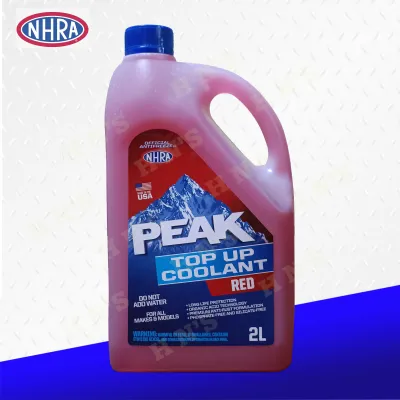
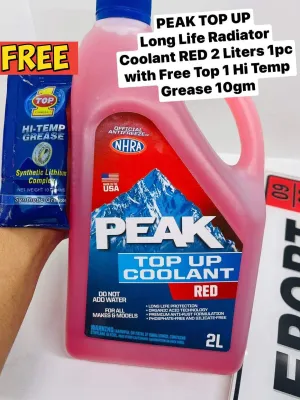
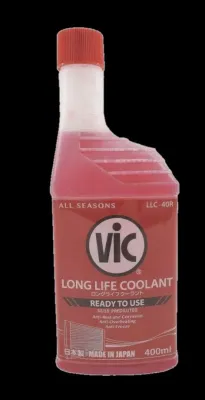
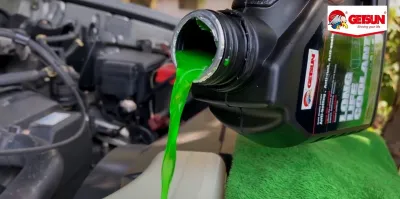
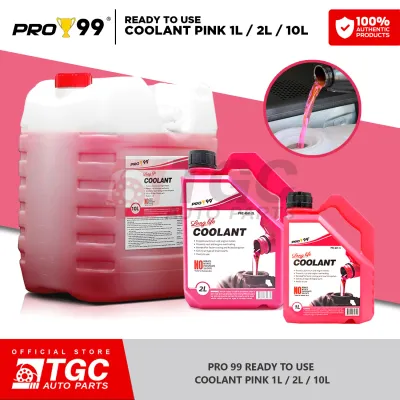
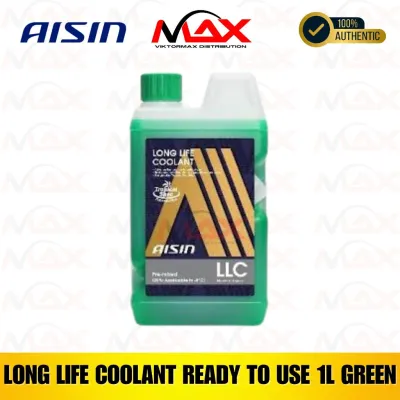
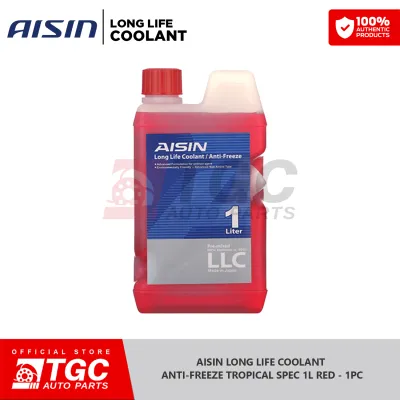
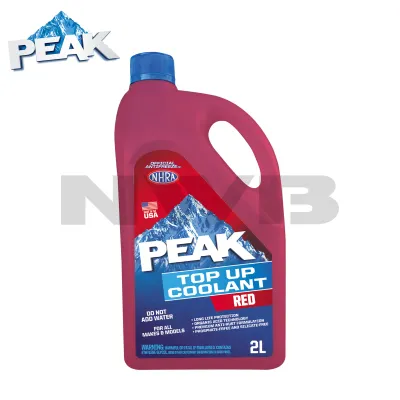
Prices are valid at publication and may change. Please refer to the product page for the latest price.
Because of this lack of standardization, the chemical specification is the only metric that truly matters. Modern engines are engineered with precise metallurgical compositions, using specific alloys for the engine block, cylinder head, water pump, and radiator. The corrosion inhibitors in the coolant must be chemically compatible with these metals to prevent electrolysis, scaling, and premature wear on internal seals. Prioritizing the OEM standard listed on the product label over the visual color is essential for maintaining your cooling system.
How to Verify Coolant Compatibility for Your Specific Vehicle
To ensure you are putting the correct fluid into your engine, consult your vehicle’s owner’s manual. The maintenance or fluid specifications section will list the exact coolant standard required by your manufacturer, often represented by an alphanumeric code or an industry standard like an ASTM or JIS number. Note this specification down before purchasing any fluid.

Once at the store or browsing online, carefully inspect the product labels. Do not simply grab a bottle because the cap is red or the label claims it is “for all red coolant vehicles.” Instead, read the fine print on the back to find approved specifications. The label must explicitly state that it meets or exceeds the specific OEM code from your owner’s manual. If the code is missing, the fluid is not verified for your vehicle.
Before adding any fluid, inspect the current coolant inside your expansion tank. With the engine completely cool, locate the translucent plastic reservoir to observe the color, clarity, and level. If the existing coolant is clean, bright red or pink and matches the manual’s specification, you can safely top it off with a compatible pre-mixed fluid. However, if the fluid appears cloudy, dark, or discolored, topping it off without knowing the system’s history can lead to chemical contamination.
Stop immediately and consult a professional mechanic if your owner’s manual lists a highly specific, proprietary OEM standard that you cannot find on retail shelves. Additionally, if you recently purchased a used vehicle with an unclear service history, or if the cooling system was previously filled with an unknown fluid type, a professional diagnostic and a complete system flush are necessary to establish a safe baseline.
What Happens When You Use or Mix the Wrong Coolant
Mixing incompatible coolant chemistries can trigger severe chemical reactions inside your engine’s cooling passages. When the organic acids in an OAT-based red coolant mix with the silicates or phosphates in traditional green IAT coolants or certain HOAT formulations, the additives can fall out of solution. This chemical fallout often forms a thick, gel-like sludge or a gritty precipitate that settles in the narrowest parts of the cooling system.
This sludge buildup directly compromises heat transfer efficiency. In tropical climates like the Philippines, where high ambient temperatures, intense humidity, and heavy stop-and-go traffic put extreme thermal stress on engines, a compromised cooling system can quickly lead to overheating. The gel blocks the tiny tubes inside your radiator, preventing the coolant from circulating effectively. Over time, this localized overheating can warp cylinder heads, blow head gaskets, and cause catastrophic engine failure.
Beyond clogging the radiator, the abrasive precipitates can rapidly destroy your water pump. The pump relies on a smooth, clean fluid to lubricate its internal seals as it spins at high speeds. When gritty particles circulate, they act like sandpaper, wearing down the mechanical seals. This leads to coolant leaks, bearing failure, and eventually a completely seized water pump, which can snap your drive belt and leave you stranded.
If you realize that an incompatible coolant has been added, you must perform a thorough system flush as soon as possible. Simply draining the radiator is not enough, as contaminated fluid remains trapped inside the engine block. A proper flush involves draining the system, refilling it with distilled water, running the engine to circulate the water, and draining it again. Repeat this process until the water runs completely clear before refilling with the correct, manufacturer-approved mixture.
A Practical Checklist for Buying the Right Coolant
When purchasing coolant at an automotive store or an online marketplace, having a structured approach will prevent costly mistakes. Always begin by checking the product label for explicit vehicle make, model, and year compatibility. Many reputable fluid manufacturers print clear compatibility charts on their packaging, indicating whether the formula is designed for specific Asian, European, or domestic vehicles. Ensure these claims align perfectly with the OEM specification code from your manual.
Another critical decision is choosing between pre-mixed (50/50) and concentrated formulations. Pre-mixed coolant is already diluted with demineralized or distilled water in the correct ratio, making it incredibly convenient for quick top-offs and complete refills. If you choose a concentrated coolant, you must purchase distilled water separately to dilute it yourself. Never use tap water or mineral water from a bottle to dilute coolant, as the dissolved minerals will react with the coolant additives and form scale deposits inside your radiator, severely reducing its cooling efficiency over time.
Finally, exercise extreme caution when considering generic “universal” coolants. While these products often claim they can be safely added to any vehicle make or model regardless of the existing coolant color, they are rarely a perfect substitute for a dedicated OEM-spec fluid. Universal coolants typically use a broad, compromise chemistry that may not provide the optimal level of corrosion protection required by your engine’s specific metallurgy. When your owner’s manual mandates a strict, proprietary standard, sticking to a dedicated, compliant fluid is always the safest choice for long-term reliability. A bottle of premium pre-mixed coolant might cost around ₱300 to ₱600, depending on the brand and specification, which is a small price to pay compared to the cost of replacing a damaged radiator or water pump.
Frequently Asked Questions (FAQ)
Can I mix red coolant with green or blue coolant?
No, you should never mix red coolant with green, blue, or other colored coolants unless you have verified that their chemical formulations are completely identical and compatible. Mixing different additive packages—such as the organic acids in red coolant and the silicates or phosphates in green coolant—causes a chemical reaction that can result in gelling or sludge formation. This sludge blocks critical cooling passages, leading to engine overheating and severe mechanical damage.
How often should I replace long-life red coolant?
The replacement interval for long-life red coolant depends entirely on your vehicle manufacturer’s guidelines, which you can find in your owner’s manual. While many OAT-based red coolants are rated for extended service intervals, driving in demanding tropical environments with high humidity and frequent stop-and-go traffic can accelerate fluid degradation. Regularly inspecting the fluid’s color and clarity during routine maintenance is the best way to determine if it needs early replacement.
What should I do if my red coolant turns brown or rusty?
If your red coolant has turned brown, muddy, or rusty, it is a clear sign of internal contamination, rust, or severe fluid degradation. This indicates that the corrosion inhibitors have broken down, allowing the metal components inside your engine block or radiator to rust, or that engine oil has leaked into the cooling system. You should avoid driving the vehicle, let the engine cool completely to prevent severe steam burns, and take it to a professional mechanic for a diagnostic inspection and a complete system flush.

Community discussion
Share your experience or ask a question. Comments are reviewed before publication.