
When you ride with an SEC Whirlwind helmet on Philippine roads, the small stickers on the back of the shell are far more than decorative decals. The Philippine Standard (PS) and Import Commodity Clearance (ICC) marks on your helmet are official certifications proving that your protective gear meets the mandatory safety requirements established by the government. For riders navigating busy thoroughfares, these marks serve as your primary assurance that the helmet has undergone rigorous quality checks and is legally cleared for use on public highways.
Understanding what these certifications represent helps you make informed decisions about your personal safety. While the SEC Whirlwind is a popular choice among local commuters, its protective value relies heavily on the authenticity of these marks and how well the helmet is maintained. By learning how to interpret these safety standards, verify their legitimacy, and care for your gear, you can ensure that your daily rides remain both legally compliant and physically secure.
Understanding the PS and ICC Certifications
The regulatory landscape for motorcycle helmets in the Philippines is governed by strict national standards designed to protect riders from severe head injuries. The Department of Trade and Industry (DTI), through the Bureau of Philippine Standards (BPS), enforces these rules by requiring all protective headgear to bear either a PS or an ICC mark before they can be sold or used on public roads. These marks indicate that a helmet model has successfully complied with the Philippine National Standard (PNS) for motorcycle helmets.
Products mentioned in this guide
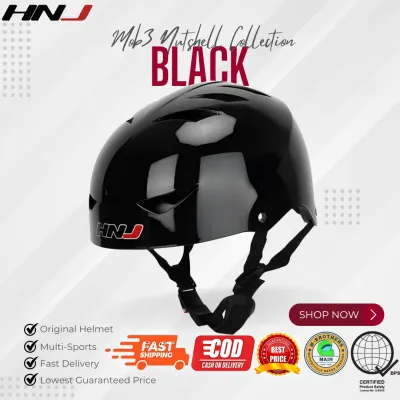
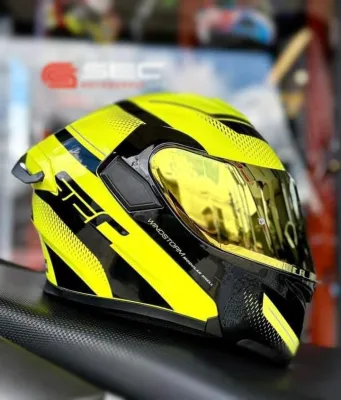
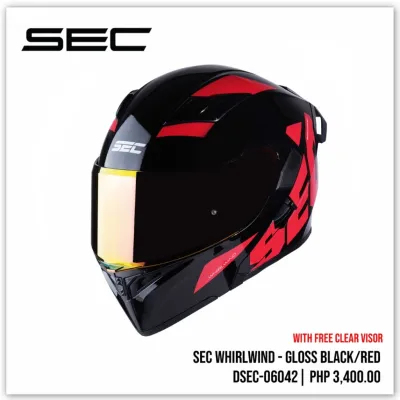
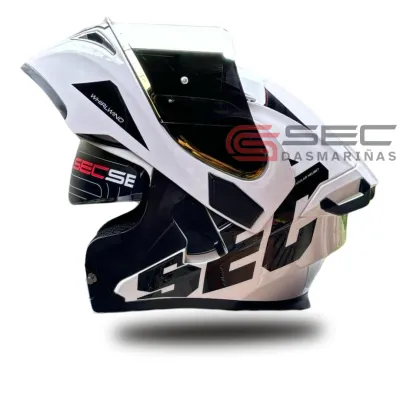
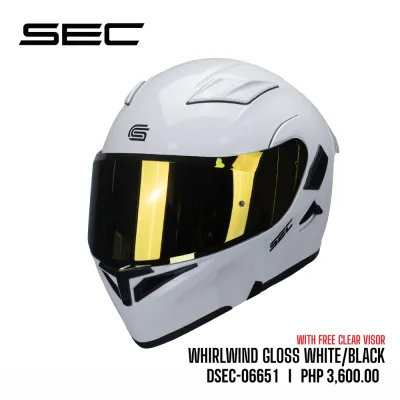
Prices are valid at publication and may change. Please refer to the product page for the latest price.
While both marks signify compliance with the same safety standards, they apply to different manufacturing origins. The PS mark is issued to locally manufactured or assembled helmets, indicating that the production facility itself undergoes regular audits and product testing to maintain consistent quality. On the other hand, the ICC mark is designated for imported helmets, such as the SEC Whirlwind. Imported shipments must undergo strict sampling and laboratory testing upon arrival to verify that the specific batch meets local safety criteria before being released to the market.
Displaying these marks is a strict legal mandate under Republic Act No. 10054, also known as the Motorcycle Helmet Act. Any helmet worn by a rider or pillion passenger without these official markings is considered non-compliant. For owners of the SEC Whirlwind, ensuring that the ICC sticker is present and valid is the first step in verifying that the helmet is legally recognized as roadworthy by traffic enforcers.
How These Marks Translate to Real-World Helmet Safety
The presence of an ICC mark on your SEC Whirlwind helmet means the design has passed standardized laboratory evaluations simulating real-world accident scenarios. Under the Philippine National Standard, helmets are subjected to critical performance tests, including impact energy absorption, outer shell penetration resistance, and retention system strength. During impact testing, the helmet is dropped from specific heights onto various anvils to measure how well the internal liner absorbs shock, reducing the forces transmitted to the rider’s head.

Penetration resistance tests ensure that sharp objects cannot easily pierce the outer shell, while retention system tests evaluate the strength of the chin strap and buckle under sudden tension. These evaluations establish a verified baseline of protection, ensuring the helmet can withstand typical forces encountered during a fall. However, riders must understand that these certifications represent a minimum safety threshold rather than an absolute guarantee of survival in every possible crash scenario.
Real-world protection depends on variables that laboratory tests cannot fully replicate, such as extreme speeds and collision angles. Because standardized tests are conducted under controlled conditions, a certified helmet is optimized for the limits defined by the standard. To maximize safety, you must combine a certified helmet with defensive riding practices, appropriate speeds, and a secure fit, recognizing that no helmet can offer total immunity from injury.
Verifying the Authenticity of Your SEC Whirlwind Helmet
Because counterfeit safety stickers occasionally find their way onto substandard helmets, verifying the authenticity of the ICC mark on your SEC Whirlwind is crucial. Start by conducting a close physical inspection of the sticker itself. Genuine ICC stickers issued by the BPS feature distinct security elements, including unique serial numbers, clean printing, and holographic features that shift under light. If a sticker appears poorly printed, easily peelable, or lacks a unique serial number, it may be a counterfeit.
In addition to the sticker, examine the overall build quality of the helmet. Genuine SEC Whirlwind helmets feature clean molding, robust visor mechanisms, and high-quality interior padding that fits snugly within the shell. The brand markings and model labels should be crisp and permanent, rather than cheap stickers that can be easily scraped off. If the price of the helmet seems unusually low compared to authorized retail rates, or if the seller cannot provide clear details about the product’s origin, exercise caution.
The most reliable way to guarantee authenticity is to purchase your riding gear exclusively from authorized dealers, official brand stores, or reputable online marketplaces. Avoid buying from unverified third-party sellers or informal social media groups where counterfeit goods are common. Always request and keep your official receipt and warranty card, as these documents serve as your official proof of purchase and support authenticity claims.
Beyond the Marks: Additional Safety Checks for Your Helmet
While a valid ICC mark confirms that your SEC Whirlwind helmet was safe when it left the factory, its protective capability can degrade over time. The tropical climate of the Philippines, characterized by intense heat, high humidity, and heavy rainfall, can accelerate the wear of helmet materials. Regularly inspect the outer shell for any hairline cracks, deep scratches, or soft spots, and check the inner Expanded Polystyrene (EPS) liner for signs of compression or crumbling.
The fit of your helmet is just as critical as its structural integrity. Over time, the comfort liner and cheek pads may compress, causing the helmet to fit loosely. A loose helmet can shift during a fall, compromising its ability to absorb impact properly. Ensure the chin strap buckle functions smoothly and locks securely without slipping. If the retention system shows signs of fraying or the buckle fails to click cleanly into place, the helmet’s ability to stay on your head during an accident is severely compromised.
Remember that all motorcycle helmets have a limited lifespan, typically recommended for replacement every three to five years of regular use, or immediately after any significant impact. Even if a helmet looks undamaged after a drop, the internal EPS liner may have compressed to absorb the energy, rendering it useless for future impacts. Proper care, such as cleaning the shell with mild soap and water rather than harsh chemical solvents, helps preserve the structural integrity validated by the original certifications.
Frequently Asked Questions (FAQ)
Is it legal to ride without a PS or ICC marked helmet in the Philippines?
No, riding without a certified helmet bearing a valid PS or ICC mark is strictly illegal on all public roads in the Philippines. Under national traffic laws, both motorcycle riders and their passengers must wear compliant protective headgear. Operating a motorcycle with a non-certified helmet can result in traffic citations, fines, and the potential impoundment of your vehicle. Beyond the legal penalties, using an uncertified helmet deprives you of the verified impact protection required to safeguard your life.
Does the SEC Whirlwind helmet meet international standards like DOT or ECE?
The PS and ICC marks specifically certify that a helmet complies with the Philippine National Standard (PNS). While the testing protocols of the PNS are often modeled after or aligned with international standards such as the United States Department of Transportation (DOT) or the Economic Commission for Europe (ECE) regulations, the local marks themselves do not automatically guarantee international certification. To determine if your specific SEC Whirlwind model also carries DOT or ECE certifications, you should inspect the physical markings printed directly on the back of the helmet shell or consult the manufacturer’s official product specifications.

Community discussion
Share your experience or ask a question. Comments are reviewed before publication.