
Choosing a flat seat for your Yamaha NMAX V2 requires balancing aesthetic appeal with structural compatibility, material durability, and riding comfort. While a flat seat offers a sleek, streamlined look and allows for more flexible seating positions, you must verify that the aftermarket unit aligns perfectly with the stock mounting points, resists intense tropical heat and heavy rainfall, and does not compromise the security of your under-seat storage. Prioritizing these factors ensures a safe, comfortable, and long-lasting upgrade for your daily commute.
In the Philippines, where motorcycles serve as primary daily transport for navigating dense urban traffic and long provincial highways, customizing your ride is highly popular. The Yamaha NMAX V2 is a favorite platform for personalization, and swapping the stock stepped seat for a flat profile is one of the most common modifications. However, because the seat is a critical contact point between the rider and the machine, choosing the wrong aftermarket option can lead to physical discomfort, water damage to your belongings, or even safety hazards on the road.
Verifying Compatibility and Fitment
Before purchasing any aftermarket flat seat, you must confirm that the product is designed specifically for the Yamaha NMAX V2 chassis. The V2 model features a different frame layout, mounting bracket configuration, and body panel alignment compared to the older V1 version. Attempting to force a V1 seat or a universal seat onto a V2 frame will result in poor fitment, exposed gaps, and potential damage to your scooter’s bodywork.
Products mentioned in this guide
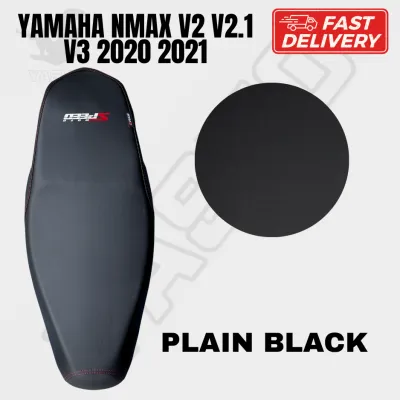
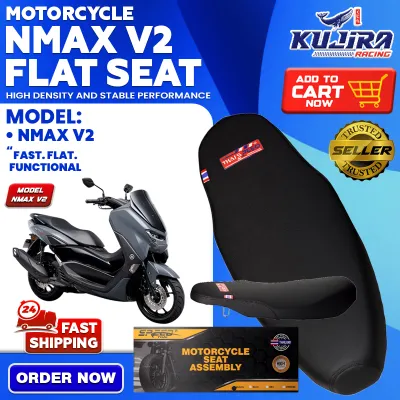
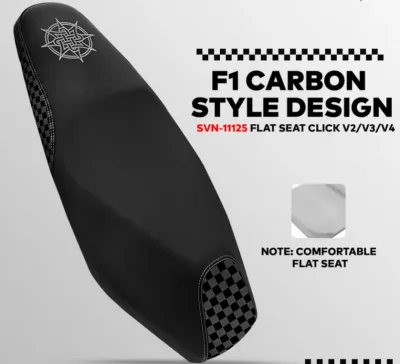
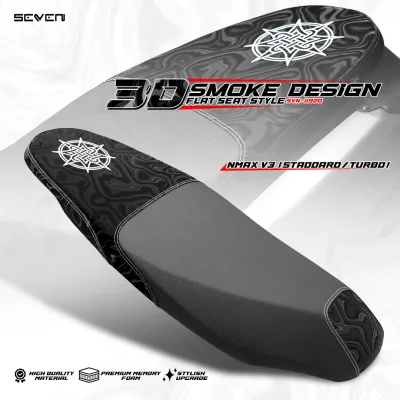
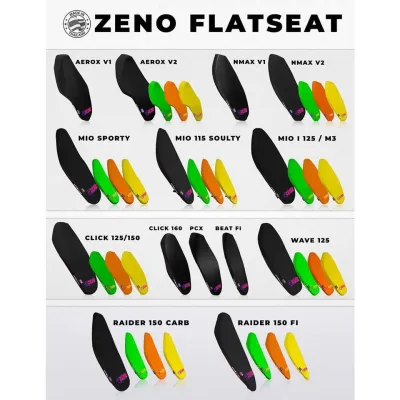
Prices are valid at publication and may change. Please refer to the product page for the latest price.
Begin your compatibility check by examining the mounting point alignment and hinge bracket design. A high-quality flat seat should feature a base plate that matches the stock hinge assembly perfectly. If the mounting holes on the aftermarket seat do not line up with the original hinge bolts, you will face significant installation difficulties. Avoid modifying or drilling new holes into the stock hinge, as this can weaken the assembly and cause the seat to wobble or detach while riding.
Clearance is another critical factor to evaluate before making a decision. The flat seat must close securely without interfering with the under-seat storage compartment, commonly referred to as the U-box, or the front-facing fuel filler cap. A poorly fitting seat may press down too hard on the fuel cap area, making it difficult to open, or it may fail to compress the rubber weatherstripping around the U-box. A proper seal is essential to prevent water, dust, and debris from entering the storage area and damaging your personal items.
Additionally, you must consider the electrical connector compatibility for the seat lock mechanism. The NMAX V2 utilizes a cable-actuated or electronic solenoid system to release the seat latch via the main ignition switch. The striker loop on the underside of the aftermarket seat must align precisely with the locking mechanism on the frame. If the alignment is off by even a few millimeters, the seat may not lock securely, leaving your under-seat storage vulnerable to theft, or it may become stuck in the locked position, requiring professional intervention to open.
Assessing Material and Build Quality
The tropical climate of the Philippines presents unique challenges for motorcycle accessories, making material and build quality a top priority. Your NMAX V2 will likely be exposed to intense sunlight, high humidity, and sudden torrential downpours. Consequently, the materials used in the seat cover and internal foam must be durable enough to withstand these harsh environmental conditions without degrading rapidly.

When evaluating the seat cover, inspect the thickness and texture of the vinyl or synthetic leather. Thick, marine-grade vinyl is highly recommended because it resists UV cracking and does not easily tear under regular use. Pay close attention to the stitching quality along the seams. Double-stitched seams offer superior strength, but they also create entry points for water. Look for seats that feature waterproof sealing tape or a protective plastic barrier underneath the seams to prevent rainwater from soaking into the foam.
The internal foam is the primary determinant of your riding comfort and the seat’s longevity. High-density polyurethane foam is the industry standard for quality motorcycle seats. You can identify high-density foam by pressing firmly on the seat; it should feel supportive and quickly spring back to its original shape once pressure is released. In contrast, low-density foam feels very soft initially but compresses completely under your weight, leading to a harsh ride as you bottom out against the hard plastic seat pan. Over time, low-density foam will sag permanently, ruining both the comfort and the appearance of your flat seat.
Always verify water resistance claims by checking the manufacturer’s product tags and specifications rather than relying solely on visual appearance. Some materials may look waterproof but are actually highly porous. If water penetrates the seat cover, the internal foam will act like a sponge, holding moisture for days. This not only leads to an uncomfortable, wet ride every time you sit down but also promotes the growth of mold and mildew, which will eventually destroy the foam structure and create unpleasant odors.
Evaluating Ergonomics and Riding Posture
Swapping the stock stepped seat for a flat profile significantly alters the ergonomics and riding posture of your NMAX V2. The stock seat features a distinct step that acts as a backrest, locking the rider into a fixed forward position. A flat seat eliminates this barrier, creating a continuous, level surface that allows you to slide forward or backward freely.
This freedom of movement changes your relationship with the scooter’s controls. Sliding backward straightens your knee angle and extends your reach to the handlebars, which can provide a more relaxed, open posture for taller riders. Conversely, shorter riders can slide forward easily to reach the ground comfortably when coming to a stop. However, shifting your seating position also alters your center of gravity, which can subtly affect how the scooter handles during tight turns and low-speed maneuvers in heavy traffic.
Passenger comfort is another vital consideration, especially if you frequently ride with a pillion. A flat seat changes the height and angle of the passenger section compared to the stock configuration. Ensure that the flat profile does not raise the passenger too high, which can expose them to stronger wind blasts, or make it difficult for them to reach the rear grab rails. The grab rails must remain fully accessible and unobstructed to ensure your passenger can maintain a secure grip during acceleration and braking.
While the sleek, minimalist look of a flat seat is highly desirable, you must weigh this aesthetic benefit against the loss of long-distance lumbar support. The stock seat’s step provides essential lower back support that reduces fatigue during extended rides. On a flat seat, your core muscles must work harder to maintain your posture, which can lead to lower back discomfort during long provincial trips. If you plan to use your NMAX V2 for touring, look for flat seats that incorporate a subtle, integrated slope or firmer foam in the rear section to provide some degree of support.
Building and Evaluating Your Shortlist
With numerous aftermarket options available on various ecommerce platforms and in local shops, building a structured shortlist is essential to making an informed purchase. Rather than choosing the cheapest option or the one with the most aggressive styling, evaluate each candidate against a strict set of practical criteria to ensure you receive a high-quality product.
First, verify the seller’s return policies and specific fitment guarantees for the NMAX V2. Because aftermarket manufacturing tolerances can vary, there is always a small risk that a seat may not fit your specific scooter perfectly. Purchasing from a reputable seller who offers a clear, hassle-free return or exchange policy protects you from being stuck with an unusable product. Look for sellers who explicitly guarantee compatibility with the V2 model year.
Next, analyze user reviews and community feedback for any documented fitment issues or missing hardware. Other NMAX V2 owners who have already installed the seat can provide invaluable insights into its real-world performance. Look for recurring complaints regarding misaligned brackets, poor water resistance, or rapid foam degradation. If multiple reviews mention that the seat requires significant force to latch closed, it is a strong indication of a design flaw.
Finally, compare the total cost of each option in Philippine Pesos (₱), keeping in mind that the purchase price is only one part of the equation. A lower-priced seat may seem like a bargain, but if it does not include the necessary mounting brackets, rubber dampers, or weatherstripping, you will need to purchase these components separately or transfer them from your stock seat. Factor in these additional costs, along with shipping fees and potential professional installation charges, to determine the true value of each option on your shortlist.
Understanding Installation and Safety Boundaries
Installing a flat seat on your NMAX V2 is generally a straightforward process that can be completed with basic hand tools, but it requires careful attention to detail to ensure safety. Before beginning the installation, consult your scooter’s owner’s manual to familiarize yourself with the correct seat removal steps and the recommended torque specifications for the hinge bolts.
The basic installation process involves unscrewing the nuts securing the stock seat to the hinge, lifting the seat away, and positioning the new flat seat onto the mounting studs. However, you must establish clear safety boundaries during this process. If you find that the aftermarket seat’s brackets do not align naturally with the mounting studs, do not attempt to force the bolts or cross-thread them. Forcing a misaligned bolt can permanently damage the threads on the scooter’s frame, leading to a costly and complicated repair.
Furthermore, pay close attention to the seat lock and latch mechanism. Once the new seat is bolted down, test the locking action gently. The seat should latch closed with a light, firm press and release smoothly when you activate the ignition switch or seat release button. If the latch resists closing, or if you have to slam the seat down violently to lock it, stop immediately. Operating a motorcycle with an insecurely latched seat is highly dangerous, as the seat could pop open unexpectedly while you are riding, causing you to lose control of the vehicle.
If you encounter any structural misalignment, electrical wiring conflicts with the seat lock, or if you are uncomfortable performing the installation yourself, do not hesitate to seek professional assistance. Bringing your NMAX V2 and the aftermarket flat seat to a qualified motorcycle mechanic ensures that the upgrade is installed safely, securely, and without risking damage to your scooter’s frame or electrical system.
Frequently Asked Questions (FAQ)
Will a flat seat affect the under-seat storage capacity?
Yes, installing a flat seat typically reduces the vertical clearance inside the under-seat storage compartment. Because a flat seat eliminates the upward curve found on the underside of the stock seat, the depth of the U-box is slightly compromised. This reduction in space may prevent you from storing larger full-face helmets that fit easily under the stock seat. To avoid surprises, check the manufacturer’s dimension diagrams or consult user reviews to see which helmet sizes and shapes remain compatible after installing the flat seat.
Do I need to modify the frame to install a flat seat?
No, you do not need to modify, cut, or weld the frame of your NMAX V2 to install a standard aftermarket flat seat. High-quality flat seats are designed as direct bolt-on replacements that utilize the original factory mounting points and hinge assemblies. Modifying your scooter’s chassis is highly discouraged, as it compromises the structural integrity of the vehicle, voids the manufacturer’s warranty, and poses severe safety risks on the road. If an aftermarket seat requires permanent modifications to your frame, it is best to avoid that product and choose a fully compatible option instead.

Community discussion
Share your experience or ask a question. Comments are reviewed before publication.