
When your Honda XRM 125 struggles to climb steep inclines, slips during acceleration, or makes a distinct dragging noise from the right side of the engine, the primary clutch is often the component requiring attention. As a staple of daily commutes and utility riding in the Philippines, this underbone motorcycle relies heavily on its semi-automatic transmission system to handle heavy loads and stop-and-go traffic. Selecting the correct replacement primary clutch assembly is vital to restore smooth power delivery, protect your engine from unnecessary wear, and maintain road safety. This guide outlines the essential specifications, quality indicators, and safety checks you must perform before purchasing a replacement part.
Why Primary Clutch Specifications Matter for Your XRM 125
The primary clutch in the Honda XRM 125 is a centrifugal system mounted directly on the engine’s crankshaft. As engine speed increases, centrifugal force pushes the clutch shoes outward to grip the inner wall of the primary clutch outer drum. This mechanical action transfers rotational power from the crankshaft to the secondary wet clutch and ultimately to the drive chain.
Using a primary clutch with incorrect specifications can severely disrupt this power transfer. If the clutch shoes are too heavy or the springs are too weak, the clutch will engage too early, causing the engine to bog down or stall at low speeds. Conversely, late engagement from overly stiff springs or light shoes leads to excessive engine revving and rapid wear of the friction linings.
Products mentioned in this guide
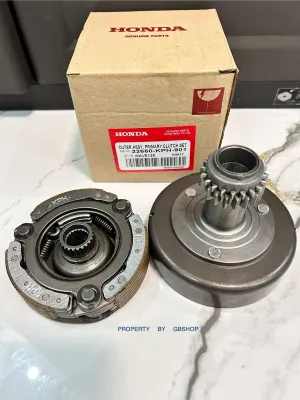
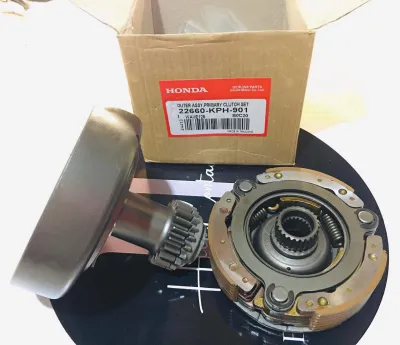
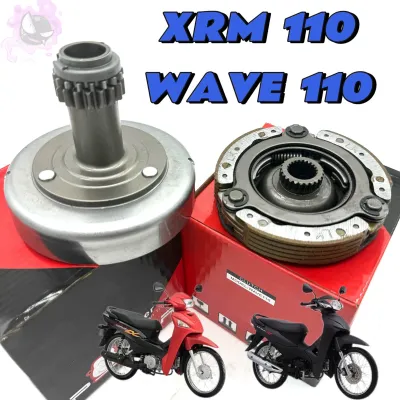
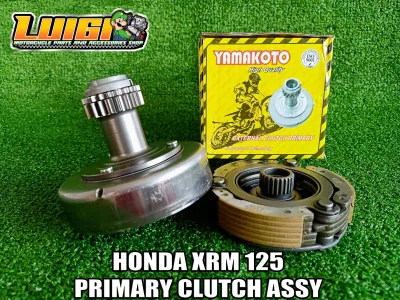
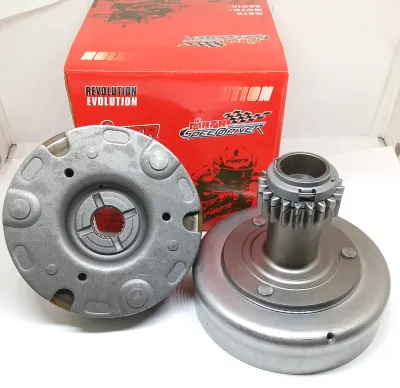
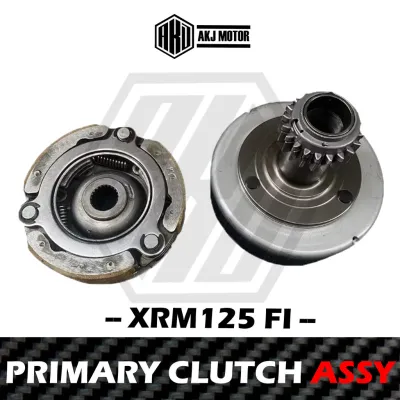
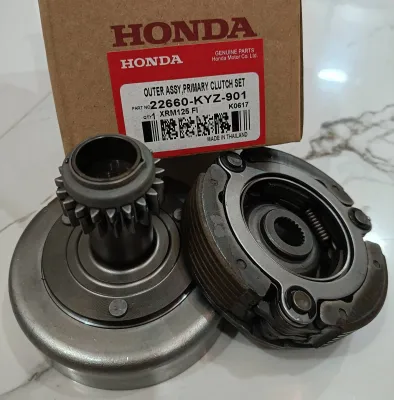
Prices are valid at publication and may change. Please refer to the product page for the latest price.
Because the XRM 125 engine is tuned for specific torque delivery and fuel efficiency, generic or poorly matched clutch components will fail to perform correctly. A mismatched assembly can cause severe slipping, which generates extreme heat inside the crankcase, degrades your engine oil rapidly, and risks damaging the crankshaft splines.
Essential Specifications to Verify on the Replacement Part
To ensure a seamless fit and reliable operation, you must verify several critical physical and mechanical specifications before finalizing your purchase.

Always cross-reference the manufacturer’s original equipment manufacturer (OEM) part number found in your motorcycle’s official parts catalog. Even within the Honda XRM 125 lineup, minor design updates across model years can result in different spline counts or drum dimensions.
Measure the outer diameter of the clutch drum and the thickness of the clutch shoes using a precision caliper. Compare these measurements against the wear limits specified in your owner’s manual. A drum with an incorrect inner diameter will prevent the shoes from making full contact, leading to immediate slipping.
The center hub of the primary clutch must slide onto the crankshaft with a precise, snug fit. Count the splines on your original crankshaft and verify that the replacement part matches this count exactly. Any excessive play or loose fitment will quickly strip the splines under load, leading to catastrophic engine damage.
The weight of the clutch shoes and the tension of the small centrifugal springs dictate the exact engine speed at which the clutch engages. Stick to OEM-weight specifications for daily commuting and utility use to preserve the motorcycle’s original fuel economy and smooth acceleration curves.
How to Identify Quality Build and Avoid Counterfeits
The market for motorcycle spare parts contains a wide variety of aftermarket options, making it essential to distinguish high-quality components from substandard or counterfeit alternatives.
Inspect the inner surface of the clutch drum where the shoes make contact. This surface must be perfectly smooth and free of deep machining grooves, pitting, or uneven spots. Rough surfaces will rapidly grind down the friction material on the clutch shoes, requiring another replacement in short order.
High-quality primary clutches utilize durable steel alloys for the drum and heat-resistant friction compounds for the shoes. Avoid parts that have a dull, soft metal appearance or shoes with crumbly, unevenly bonded friction linings. The lining should be securely bonded or riveted to the shoe carrier without any visible gaps.
Reputable manufacturers package their parts in sturdy, well-printed boxes featuring clear labeling, batch numbers, and often holographic security seals. Be cautious of plain packaging, misspelled words, or labels that lack specific model compatibility details.
Determine whether you are buying a complete primary clutch assembly or just individual components. A complete assembly typically includes the clutch outer drum, the shoe assembly, dampers, and springs. If you are replacing the entire unit, ensure all matching hardware, such as the one-way clutch collar and washers, are compatible with your existing setup.
Safety Boundaries and Installation Requirements
Replacing a primary clutch involves working directly inside the engine crankcase, which demands strict adherence to safety protocols and precise mechanical standards.
Never use an impact wrench to tighten the primary clutch locknut without verifying the final torque. You must use a calibrated torque wrench and a dedicated clutch holder tool to tighten the nut to the exact torque specification detailed in the Honda service manual. Under-tightening can cause the clutch to spin loose during operation, while over-tightening can stretch or snap the crankshaft threads.
If you do not possess specialized tools like a rotor holder, a torque wrench, or a proper casing puller, have the installation performed by a qualified motorcycle mechanic. Attempting to lock the engine by jamming screwdrivers into the gears can chip the gear teeth or bend the crankshaft.
A primary clutch replacement is the ideal time to inspect the entire transmission system. Examine the secondary clutch plates for wear, check the primary drive gear for chipped teeth, and inspect the engine oil centrifugal filter for debris. Always replace the crankcase cover gasket and use fresh, high-quality motorcycle engine oil of the recommended viscosity to ensure proper wet-clutch operation.
Frequently Asked Questions (FAQ)
What are the common symptoms of a failing primary clutch?
A failing primary clutch typically manifests as engine slipping, where the engine revs loudly but the motorcycle struggles to gain speed, especially when carrying a passenger or climbing steep roads. You might also experience a harsh, jerky engagement when starting from a complete stop, or hear a metallic rattling noise coming from the right side of the engine crankcase at idle. Visually inspecting the unit after removing the crankcase cover will often reveal deep grooves or blue discoloration on the clutch drum from extreme heat, along with heavily worn or glazed clutch shoes.
Is it safe to use a primary clutch from a different Honda model?
While some underbone models share a similar engine platform with the XRM 125, you should never assume parts are universally interchangeable. Even if a primary clutch from another model physically slides onto the crankshaft, differences in the weight of the clutch shoes, spring tension, or drum diameter will alter the engagement RPM. This can cause the motorcycle to shift poorly, lose low-end torque, or run at excessively high engine speeds, ultimately reducing fuel efficiency and accelerating engine wear. Always verify compatibility using the official parts catalog for your specific XRM 125 model year.

Community discussion
Share your experience or ask a question. Comments are reviewed before publication.