
Maintaining a healthy ignition system is vital for keeping your vehicle running smoothly, especially when navigating demanding daily commutes. While spark plugs are consumable parts with predictable lifespans, the ignition module acts as the electronic brain directing the high-voltage current needed to fire those plugs. Knowing when to replace these components prevents unexpected breakdowns, protects other engine parts, and ensures your vehicle operates at peak efficiency.
In the Philippines, unique environmental factors like intense tropical heat, high humidity, and heavy stop-and-go traffic accelerate the wear and tear on these critical electrical parts. While spark plugs have manufacturer-recommended mileage intervals, the ignition module often requires replacement based on physical symptoms and electrical testing. Understanding how these two components interact helps you make informed maintenance decisions and avoid costly repairs down the road.
Recognizing the Warning Signs of Failing Ignition Components
Your vehicle will usually provide clear warning signs when the ignition module or spark plugs begin to degrade. One of the most common symptoms is an engine misfire, which feels like a sudden shudder, hesitation, or temporary loss of power while driving. This occurs when a spark plug fails to ignite the fuel-air mixture, or when the ignition module fails to send the necessary electrical signal.
Products mentioned in this guide
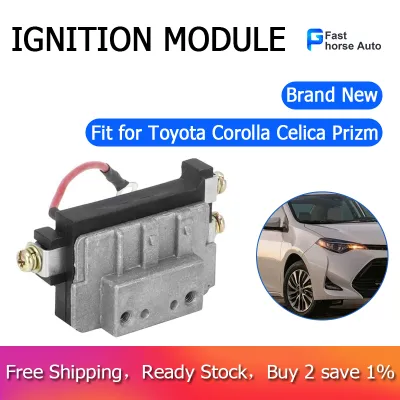
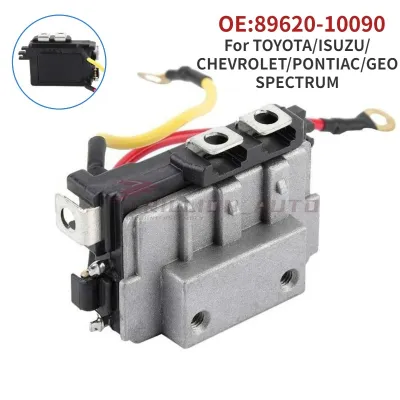
Prices are valid at publication and may change. Please refer to the product page for the latest price.
Rough idling is another prominent indicator of ignition trouble. If you notice the tachometer needle bouncing, or if the vehicle vibrates excessively at a red light, worn spark plugs or a failing ignition module are often to blame. This instability is typically accompanied by hesitation during acceleration, where the engine struggles to respond promptly when you press the gas pedal.
Over time, poor combustion directly impacts your wallet through decreased fuel economy. When spark plugs do not burn fuel efficiently, unburnt gasoline escapes through the exhaust system, forcing you to spend more on fuel costs in ₱. Additionally, you may experience difficulty starting the engine, particularly during damp mornings.
When these issues arise, the vehicle’s engine control unit will typically trigger the check engine light. Using an OBD-II diagnostic scanner can help identify specific fault codes, such as P0300 for random misfires. Interpreting these diagnostics early allows you to address ignition faults before they cause severe damage to other engine components.
How Local Driving Conditions Affect Ignition Lifespan
Operating a vehicle in the Philippines presents distinct challenges that directly impact the lifespan of your ignition system. The combination of high ambient temperatures and dense, slow-moving traffic in metropolitan areas creates a harsh thermal environment under the hood. Without the cooling airflow of highway driving, heat builds up rapidly, putting immense thermal stress on the solid-state electronics inside the ignition module.

High humidity levels further complicate electrical performance. Moisture in the air can find its way into electrical connectors, boots, and terminals, promoting corrosion and increasing electrical resistance. This resistance forces the ignition system to work harder to deliver the necessary voltage, accelerating the degradation of both the ignition module and the spark plug wires.
Dust, road debris, and airborne contaminants also play a significant role in wear. Fine dust particles can bypass aging seals and accumulate around the spark plug wells, potentially causing electrical tracking or grounding issues. Furthermore, stop-and-go driving prevents the engine from reaching and maintaining its optimal operating temperature for self-cleaning, leading to faster carbon buildup on the spark plug electrodes.
Because of these severe environmental factors, standard maintenance schedules designed for temperate climates or highway driving rarely apply. Drivers in urban areas should adjust their maintenance expectations, treating their daily commute as severe service. This means inspecting ignition components more frequently and preparing to replace them earlier than standard intervals suggest.
Finding the Correct Replacement Intervals for Your Vehicle
To determine the precise replacement schedule for your car, always start by consulting the owner’s manual. Manufacturers provide detailed maintenance schedules tailored to the specific engine design, outlining when to inspect and replace spark plugs. These guidelines are highly specific and serve as the safest baseline for maintaining engine health.
It is crucial to understand the difference between standard and severe service intervals outlined in your documentation. Severe service definitions typically include frequent short trips, prolonged idling, driving in dusty environments, and operating in extremely hot climates. Since local driving conditions align perfectly with these criteria, following the severe service schedule is highly recommended to prevent unexpected ignition failures.
Before purchasing any replacement parts, verify the exact part numbers, dimensions, and mounting positions required for your vehicle’s specific model and year. Ignition modules and spark plugs are engineered to match precise electrical resistance and voltage specifications of the engine management system. Installing incompatible parts can lead to poor engine performance, electrical interference, or even permanent damage to the engine control unit.
Never rely on generic compatibility charts found on online marketplaces. Instead, cross-reference the manufacturer’s part numbers with your vehicle’s official service documentation or consult a professional parts specialist. Ensuring a precise match guarantees that the replacement components will function seamlessly with your vehicle’s existing electrical architecture.
Understanding Spark Plug Materials and Maintenance Schedules
Spark plugs are categorized primarily by the metals used on their electrodes, which directly determines their performance characteristics and service life. Copper spark plugs offer excellent electrical conductivity but wear down quickly, typically requiring replacement every 20,000 to 30,000 kilometers. They are often used in older vehicles or specific high-performance engines.
Platinum spark plugs feature a platinum disc welded to the center electrode, providing much greater resistance to wear than copper. These plugs generally last between 40,000 to 60,000 kilometers under normal driving conditions. Double platinum plugs offer even greater durability and are common in modern waste-spark ignition systems.
Iridium spark plugs represent the premium tier of ignition technology. Iridium is extremely hard and has a remarkably high melting point, allowing for an extremely fine wire center electrode design. This fine wire improves spark efficiency while offering exceptional longevity, often lasting 80,000 to 100,000 kilometers or more. Always read the product packaging and manufacturer labels to verify the intended service intervals for your specific plug type.
Regardless of the material, you must match the correct heat range and electrode gap specified by your vehicle’s manufacturer. The heat range refers to the plug’s ability to transfer heat away from the combustion chamber, while the electrode gap determines the size of the spark. Installing a plug with the wrong heat range can cause pre-ignition or carbon fouling, while an incorrect gap can lead to weak spark or engine misfires.
Safe Handling and Professional Installation Guidelines
Working on automotive ignition systems requires strict adherence to safety protocols due to the high voltages involved. Before performing any inspection or replacement of the ignition module or spark plugs, always disconnect the negative terminal of the vehicle’s battery. This simple step prevents accidental electrical shocks, short circuits, and dangerous voltage spikes that could damage sensitive onboard electronics.
When installing new spark plugs, using a calibrated torque wrench is essential to ensure they are tightened to the manufacturer’s exact specifications. Over-tightening can easily strip or stretch the delicate threads in the aluminum cylinder head, leading to expensive repairs. Conversely, under-tightening can prevent the plug from sealing properly, causing combustion gases to leak and reducing heat transfer from the plug to the cylinder head.
Before removing the old spark plugs, clear any dirt or dust from the spark plug wells to prevent contaminants from falling directly into the engine cylinders. While replacing spark plugs is a common DIY task, diagnosing a faulty ignition module can be highly complex. If your vehicle continues to misfire after installing new plugs, or if you suspect an intermittent electrical fault within the wiring harness, stop your DIY efforts. Consult a qualified mechanic who possesses the specialized diagnostic tools and expertise required to safely test and repair complex automotive electrical systems.
Frequently Asked Questions (FAQ)
Can a failing spark plug damage the ignition module?
Yes, a worn or failing spark plug can directly cause the ignition module to fail prematurely. As a spark plug wears down, its electrode gap widens, and carbon deposits accumulate on its tip, significantly increasing electrical resistance. To jump this larger gap, the ignition module must generate and output a much higher voltage than it was designed to handle. This continuous high-load operation causes the solid-state electronics inside the module to overheat, eventually leading to internal component failure.
Should I replace all spark plugs at the same time?
Yes, you should always replace all spark plugs simultaneously as a complete set. Spark plugs wear down at a relatively uniform rate across all engine cylinders. Replacing only one or two plugs creates an imbalance in electrical resistance and combustion efficiency, leading to uneven engine performance and a rough idle. Additionally, mixing different spark plug materials, brands, or electrode gaps within the same engine can disrupt the engine management system and cause persistent misfire codes.

Community discussion
Share your experience or ask a question. Comments are reviewed before publication.