
Quick Answer: Matching Your Budget to AENXRD Helmet Tiers
Selecting a motorcycle helmet requires balancing financial limits with the absolute necessity of head protection. When evaluating the AENXRD helmet lineup, riders are presented with distinct tiers designed to cater to different riding styles, frequencies, and financial plans. Regardless of which tier fits your current financial situation, maintaining a non-negotiable safety baseline is the most critical step in your purchasing journey.
Before looking at aesthetic designs or extra features, every rider must verify that the helmet carries valid safety certifications. In the Philippines, this means looking for the physical Import Commodity Clearance (ICC) holographic seal or the Philippine Standard (PS) mark. Internationally recognized standards such as DOT or ECE also serve as vital indicators of structural integrity. A certified entry-level helmet is far safer than an uncertified premium-looking counterfeit.
The core differences between the AENXRD helmet tiers lie in their materials, comfort features, and intended use cases. Entry-level models prioritize basic, certified protection for short daily commutes using heavier thermoplastic shells. Mid-range options introduce enhanced ventilation, aerodynamic shapes, and removable liners that make daily commuting far more comfortable. Premium tiers utilize advanced composite fibers to significantly reduce weight, making them ideal for long-distance touring and high-speed stability.
Products mentioned in this guide
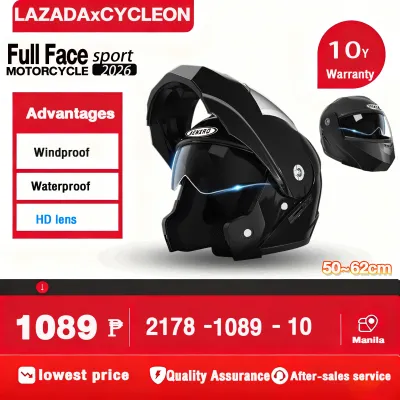
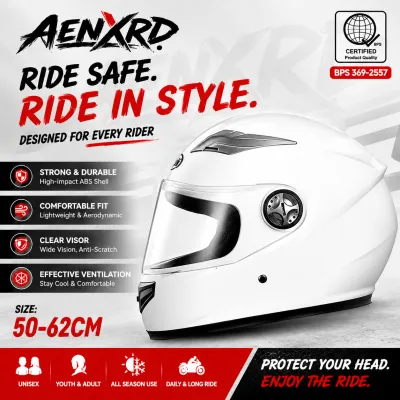
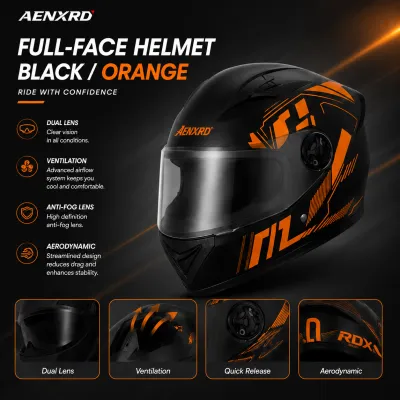
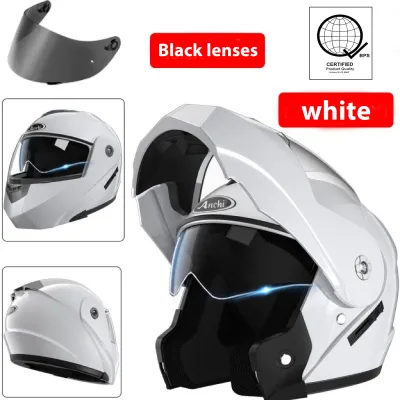
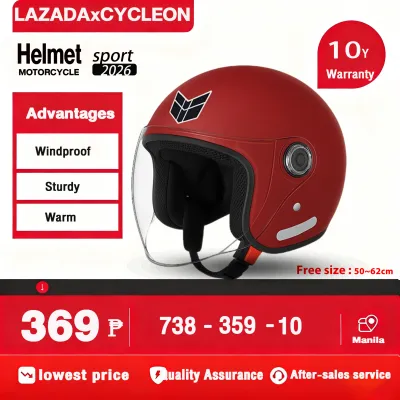
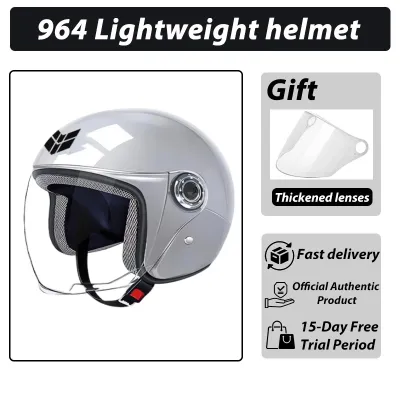
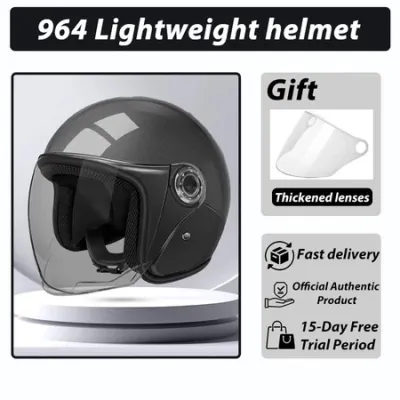
Prices are valid at publication and may change. Please refer to the product page for the latest price.
When allocating your budget, prioritize shell safety, certified construction, and a correct physical fit over cosmetic graphics, tinted visors, or integrated accessories. A flashy graphic design does not absorb impact energy, but a well-engineered shell and a properly fitted EPS liner do. By understanding what each tier offers, you can make an informed decision that protects both your head and your wallet.
Entry-Level AENXRD Helmets: Maximizing Basic Safety on a Tight Budget
Entry-level AENXRD helmets are engineered for riders who need reliable, certified protection for short-distance trips, city commuting, or occasional riding without a massive financial outlay. At this tier, manufacturers focus almost entirely on meeting basic safety standards while keeping production costs manageable. This is achieved primarily through the choice of shell materials and simplified manufacturing processes.

The shell of an entry-level helmet is typically constructed from injection-molded thermoplastic or Acrylonitrile Butadiene Styrene (ABS) plastic. While ABS and thermoplastic shells are highly durable and excellent at absorbing impact energy, they are inherently heavier than composite materials. An entry-level helmet will generally feel more substantial on your head, which can lead to neck fatigue during extended riding sessions. However, for short city trips, the weight is manageable and the structural protection remains fully compliant with safety standards.
Visor mechanisms on entry-level models are usually basic, utilizing simple friction-fit or early-generation ratchet systems. When inspecting these models, it is crucial to verify that the visor offers basic scratch resistance and UV protection to maintain clear visibility under the harsh tropical sun. Many entry-level visors do not come with pre-installed pins for anti-fog inserts. In high-humidity environments or during sudden downpours, you may need to rely on manual anti-fog sprays or keep the visor slightly cracked open to prevent condensation.
Interior padding in this budget tier is often simpler and may be fixed rather than fully removable. Fixed padding makes deep cleaning more challenging, which is an important consideration in hot climates where sweat and oil build up quickly. When trying on an entry-level model, pay close attention to how the padding contacts your head. Ensure there is a snug, uniform fit around your cheeks and crown without creating painful pressure points, as budget foams may not conform as dynamically to your unique head shape over time.
Mid-Range AENXRD Helmets: Balancing Cost with Daily Riding Comfort
Stepping up to the mid-range AENXRD helmet tier introduces a noticeable shift from basic utility to daily riding comfort and enhanced usability. This tier is designed for daily commuters and weekend enthusiasts who spend significant time on the road and require gear that reduces physical strain and adapts to changing weather conditions.
One of the most significant upgrades in mid-range models is the ventilation system. Unlike the basic vents found on entry-level helmets, mid-range designs feature engineered multi-port intake and exhaust channels. These channels are integrated directly into the internal EPS (Expanded Polystyrene) liner, allowing air to flow actively over the rider’s head and exit through rear exhaust ports. This active airflow is essential for managing heat and humidity during slow-moving traffic. Additionally, the outer shell shapes are more aerodynamically refined, which helps reduce wind resistance, buffeting, and neck strain at higher speeds.
Another major comfort upgrade is the interior liner system. Mid-range helmets almost universally feature fully removable, washable, and moisture-wicking interior liners. This allows riders to easily maintain hygiene by washing out sweat, hair products, and road grime. The fabrics used in these liners are often treated to resist odor-causing bacteria, providing a fresher feel even after months of daily use in tropical weather.
Visor systems also receive substantial upgrades in this tier. You can expect quick-release mechanisms that allow you to swap visors without tools, making it easy to switch between clear and tinted shields. Furthermore, mid-range visors are frequently equipped with pins to accommodate anti-fog inserts, such as Pinlock lenses. This feature is incredibly valuable for maintaining a clear field of vision during early morning rides or sudden afternoon rainstorms when temperature differentials cause rapid fogging.
Premium AENXRD Helmets: Advanced Materials for Long-Distance and Performance Riding
Premium AENXRD helmets represent the pinnacle of the brand’s engineering, focusing on advanced materials, superior aerodynamics, and specialized safety features. This tier is tailored for long-distance tourers, track riders, and those who demand the highest level of physical comfort and performance during hours of continuous riding.
The defining characteristic of a premium helmet is the transition from heavy thermoplastics to advanced composite fibers, such as fiberglass, carbon fiber, or multi-axial fiber blends. These materials offer an exceptional strength-to-weight ratio. By utilizing composite fibers, manufacturers can create a shell that is significantly lighter than its thermoplastic counterparts while maintaining, or even exceeding, structural strength. A lighter helmet dramatically reduces the physical toll on your neck and shoulders during long-distance journeys, allowing you to stay alert and focused on the road.
Aerodynamics and acoustic engineering are also highly prioritized in the premium tier. The shell shapes are extensively sculpted to slice through the air with minimal drag, virtually eliminating high-speed buffeting. This aerodynamic efficiency is paired with advanced noise-reduction features, including thicker neck rolls, specialized chin curtains, and tighter visor seals. The result is a much quieter riding experience, protecting your hearing and reducing mental fatigue caused by constant wind roar.
Safety features in premium models often go beyond basic impact absorption. Many high-end helmets incorporate an Emergency Quick Release System (EQRS) built into the cheek pads. This system allows emergency medical personnel to easily slide the cheek pads out of the helmet while it is still on the rider’s head, minimizing the risk of secondary neck injuries during helmet removal. When deciding whether to invest in this tier, evaluate your actual riding habits; if you frequently embark on multi-hour tours or ride at sustained highway speeds, the physical relief and advanced safety features of a premium helmet are well worth the investment.
Crucial Verifications Before Purchasing Your AENXRD Helmet
Before finalizing your purchase of any AENXRD helmet, performing a series of physical and administrative checks is essential to ensure you are getting a genuine, safe, and long-lasting product. The market contains various counterfeit products and old-stock inventory that can compromise your safety on the road.
First, physically verify the authentic safety certification stickers. In the Philippines, look for the official ICC holographic seal. This sticker should have a distinct holographic pattern that shifts colors when tilted under light, and it should be securely adhered to the rear of the helmet shell. Do not rely solely on printed graphics that mimic certification logos. If you are purchasing from an online marketplace, request clear, high-resolution photos of the actual sticker and the corresponding serial number from the seller before completing the transaction.
Second, locate and check the manufacturer date stamp inside the helmet shell. This is usually found on a white label sewn onto the chin strap or printed on a sticker underneath the comfort liner. Helmet materials, particularly the EPS foam and binding resins, degrade over time due to environmental exposure, ozone, and natural aging—even if the helmet has never been worn. Industry standards generally recommend replacing a helmet five years from its manufacture date or three years from its first use. Avoid purchasing old-stock inventory that has been sitting in a warehouse for several years, as its protective capabilities may already be compromised.
Finally, carefully review the seller’s return and exchange policies, especially when purchasing online. Sizing a helmet correctly without trying it on physically can be challenging, and a poorly fitting helmet cannot protect you properly. Ensure the seller allows returns or size exchanges for unused helmets in their original packaging. Additionally, clarify who bears the cost of return shipping, as returning a bulky item like a helmet can incur significant freight charges that might offset any initial online discounts.
Frequently Asked Questions (FAQ)
How do I determine the correct size for an AENXRD helmet when buying online?
To find your correct helmet size, use a flexible fabric measuring tape to measure the circumference of your head. Position the tape approximately 2.5 centimeters (or one inch) above your eyebrows, passing straight over the temples and around the widest part of the back of your head. Take the measurement several times to ensure accuracy, noting the largest number in centimeters.
Once you have your measurement, compare it directly to the official size chart provided by the manufacturer for that specific helmet model. Do not rely on generic small, medium, or large labels, as sizing standards vary significantly between different brands and even between different models within the same brand. If your measurement falls between two sizes, it is generally recommended to choose the smaller size for a snug fit, provided the seller’s return policy allows for exchanges if the fit is too tight.
Can I replace the visor on an entry-level AENXRD helmet with an upgraded tinted or anti-fog version?
Whether you can upgrade the visor on an entry-level model depends entirely on the specific helmet design and the availability of authorized parts. You should consult the user manual or contact an authorized distributor to verify if the manufacturer produces compatible tinted, mirrored, or Pinlock-ready visors for your exact model.
Never attempt to force a visor from a different model or brand onto your helmet, as this can damage the ratchet mechanism or prevent the visor from sealing properly against the eyeport gasket. A poorly sealed visor can let in wind, rain, and debris, compromising your safety and comfort. Additionally, ensure that any aftermarket visor you install does not interfere with the helmet’s structural integrity or block your field of vision during low-light riding conditions.

Community discussion
Share your experience or ask a question. Comments are reviewed before publication.