
When driving in the Philippines, your vehicle’s engine operates under a constant, demanding thermal load. To prevent overheating in consistently hot weather, the coolant specifications that matter most are a high boiling point, the correct concentration ratio, and the specific chemical additive technology required by your vehicle’s manufacturer. Choosing the right fluid ensures that your cooling system can effectively dissipate heat even during prolonged idling in urban traffic.
Why the Philippine Tropical Climate Stresses Your Engine Cooling System
The mechanical reality of operating an internal combustion engine in a tropical environment like the Philippines is defined by limited heat dissipation. A car’s radiator relies on the temperature difference between the hot coolant flowing through its tubes and the cooler ambient air passing through its fins. When ambient temperatures routinely exceed 30°C or 35°C, this temperature gradient shrinks. The radiator becomes less efficient at shedding heat because the air cooling it is already warm.
High relative humidity further complicates this thermal exchange. While humidity does not change the physical boiling point of the liquid inside the sealed system, it can subtly reduce the efficiency of the air flowing over the radiator fins. This environment leaves very little margin for error in your cooling system’s performance.
Products mentioned in this guide
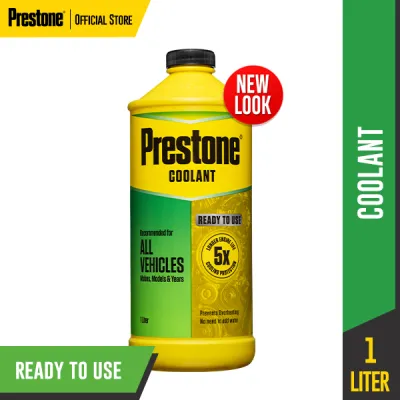
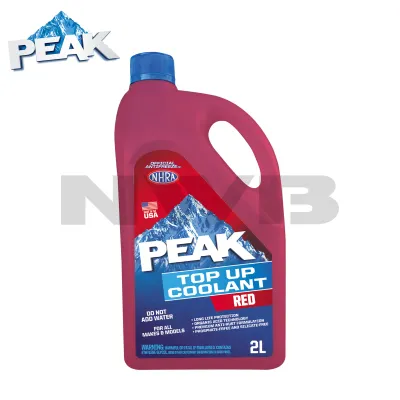
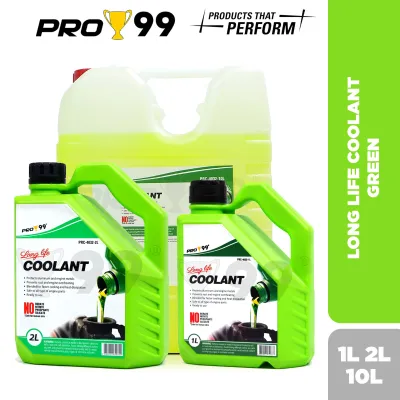
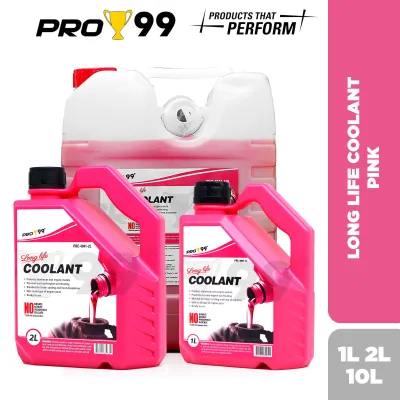
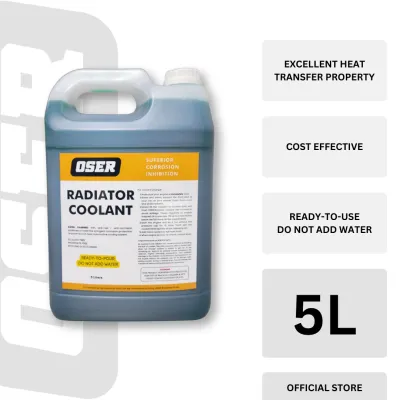
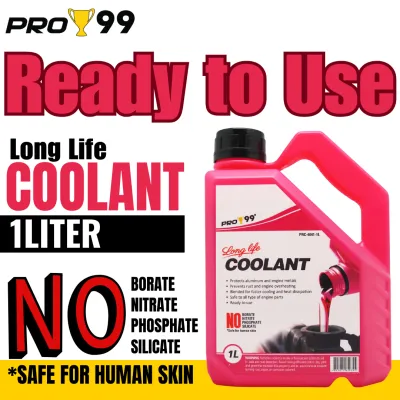
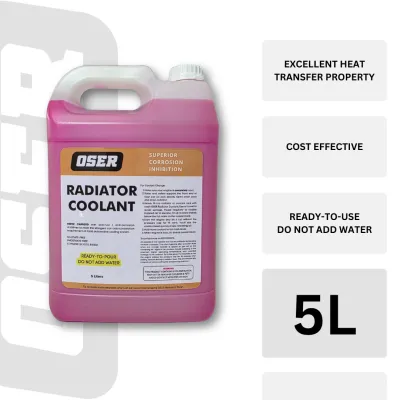
![[YAMAS] 4 LITERS COOLANT TOP BEST BRAND](https://img.lazcdn.com/g/p/4e94c30d27e1e92e799327048730f2de.png_400x400q80.png_.webp)
Prices are valid at publication and may change. Please refer to the product page for the latest price.
The stress is compounded by severe traffic congestion in major metropolitan areas like Metro Manila, Metro Cebu, and Davao. When a vehicle is stuck in gridlock, there is no natural “ram air” entering the front grille from forward motion. The cooling system must rely entirely on the heat capacity of the coolant and the mechanical or electric cooling fans to draw air through the radiator. Under these conditions, the coolant is the primary line of defense keeping the engine block from warping.
Unlike temperate climates where a coolant’s primary job during winter is preventing the fluid from freezing and cracking the engine block, tropical driving demands a fluid optimized for heat capacity, boiling prevention, and continuous corrosion resistance. Applying assumptions meant for cold climates can lead to choosing a fluid that is poorly matched to local driving demands.
Boiling Point: The Critical Spec for Preventing Vapor Lock and Overheating
To understand why a high boiling point is critical, you must look at the difference between pure water and engineered coolant mixtures. Pure water boils at 100°C at standard sea-level atmospheric pressure. While water is an excellent heat conductor, modern engines regularly operate at temperatures very close to or slightly above 100°C under heavy loads. If you use only water, it will quickly turn to steam, losing its ability to cool the engine and causing catastrophic pressure spikes.

Engineered coolants, which typically use ethylene glycol or propylene glycol as a base, have a higher natural boiling point than water. When mixed with water, they create a solution that resists boiling at much higher temperatures. This chemical property is vital for maintaining a liquid state throughout the engine’s cooling passages.
The cooling system’s pressurization plays an equally important role in elevating the boiling point. Your radiator cap is designed to seal the system and maintain a specific pressure, usually between 1.1 and 1.3 bar (15 to 18 psi). By keeping the system under pressure, the effective boiling point of a standard 50/50 coolant mixture is raised to approximately 125°C to 129°C. If the radiator cap fails to hold this pressure, the boiling point drops instantly, leaving the engine vulnerable to overheating even during normal driving.
When purchasing coolant, always check the product label for the specific boiling point at standard atmospheric pressure and when pressurized. This specification tells you exactly how much thermal headroom your vehicle has before the fluid begins to boil.
If the coolant does boil, it causes a phenomenon known as localized boiling or vapor lock. Steam pockets form inside the engine block’s cooling jackets, particularly around the combustion chambers where heat is most intense. Because steam cannot transfer heat as effectively as liquid, these pockets insulate the metal. The temperature of the cylinder head and engine block can spike rapidly in these isolated zones, leading to blown head gaskets, cracked cylinder heads, and seized pistons.
Concentration Ratio: Optimizing the Coolant-to-Water Mix for Hot Weather
Most coolants sold in the Philippines are available as either “pre-mixed” (usually a 50/50 ratio of coolant concentrate to water) or as a concentrated formula that you must dilute yourself. While a 50/50 mixture is the global standard, understanding the thermodynamics of this ratio helps you make the best choice for tropical driving.
Pure water actually has a higher specific heat capacity than ethylene glycol, meaning water is more efficient at absorbing and carrying heat away from engine components. However, pure water cannot be used alone because it lacks corrosion inhibitors, lubricity for the water pump seal, and boiling point elevation. Ethylene glycol provides these protective properties and raises the boiling point, but it has a lower heat capacity.
A 50/50 pre-mix offers a balanced compromise, providing excellent corrosion protection and a high boiling point while retaining enough heat transfer capability for most driving conditions. For drivers in the Philippines, where freezing temperatures are virtually non-existent (with rare exceptions in high-altitude areas like Baguio), some manufacturers allow a slightly altered ratio, such as 60% water and 40% coolant concentrate, to marginally improve heat transfer.
However, you must never deviate from the manufacturer’s recommended ratios without verifying the product specifications. A mixture with too much water (more than 60%) may dilute the corrosion inhibitors to unsafe levels, leaving the radiator, water pump, and engine block vulnerable to rust and scale. Conversely, using 100% pure coolant concentrate is highly dangerous; pure glycol transfers heat poorly and will cause the engine to run significantly hotter, potentially leading to immediate overheating.
If you choose to purchase concentrated coolant, you must dilute it using only distilled or demineralized water. Never use tap water, mineral water, or well water. Tap water contains dissolved minerals like calcium and magnesium that precipitate out under high temperatures, forming a hard scale inside the radiator tubes and engine block. This scale acts as an insulator, restricting heat transfer and eventually clogging the narrow passages of the cooling system.
Additive Technologies: Matching OAT, HOAT, and IAT to Your Vehicle
Coolant is not just glycol and water; it contains a complex package of chemical additives designed to protect the various metals in your engine from corrosion, cavitation, and electrolysis. Choosing the wrong additive technology can cause severe damage to your cooling system components.
Understanding IAT, OAT, and HOAT Chemistries
Inorganic Additive Technology (IAT) is the traditional green-colored coolant formulation. It relies on fast-acting inorganic inhibitors like silicates and phosphates to form a protective layer over metal surfaces. While highly effective at preventing corrosion in older vehicles with cast-iron blocks and copper-brass radiators, these additives deplete rapidly. IAT coolants typically require replacement every 2 years or 40,000 kilometers to maintain protection.
Organic Acid Technology (OAT) represents a more modern approach. Instead of coating the entire cooling system, OAT coolants use organic acids that react chemically only at sites where corrosion is beginning to form. This targeted action allows the additives to last much longer, often up to 5 years or 250,000 kilometers. OAT formulations are commonly used in aluminum engines but must be chosen carefully as some organic acids can degrade certain gasket materials.
Hybrid Organic Acid Technology (HOAT) combines the benefits of both worlds, using organic acids alongside a small amount of inorganic inhibitors like silicates or phosphates. This provides rapid initial protection while maintaining a long service life. Because these chemistries differ fundamentally in how they protect your engine, you must strictly follow your vehicle manufacturer’s specification. Using the wrong chemistry can lead to accelerated corrosion or chemical reactions that damage internal components.
Why Asian Vehicle Specifications (P-OAT) Matter in the Philippines
The Philippine automotive market is heavily populated by vehicles from Japanese and Korean manufacturers, such as Toyota, Mitsubishi, Honda, Hyundai, and Kia. These brands typically specify Phosphated Organic Acid Technology (P-OAT) for their cooling systems.
P-OAT is specifically engineered to protect aluminum engine blocks, cylinder heads, and radiator cores, which are standard in modern vehicles. It uses phosphates to provide rapid protection to aluminum surfaces while avoiding silicates. Japanese and Korean manufacturers generally prohibit silicates because they can be abrasive to water pump seals, potentially causing premature leaks, and can drop out of solution to form deposits in high-temperature tropical environments.
You must never mix different coolant additive types. For example, mixing an OAT or P-OAT coolant with a traditional IAT coolant can trigger a chemical reaction that causes the additives to precipitate out of the liquid. This results in the formation of a thick, gelatinous sludge that can block the narrow tubes of your radiator and heater core, causing immediate and severe engine overheating.
To ensure compatibility, look for specific OEM standard codes on the coolant label rather than relying on generic terms or color matching. Your vehicle’s owner’s manual will list the exact specification required, such as Toyota Super Long Life, Honda Type 2, or specific ASTM standards. Never infer compatibility from a broad category term; always verify your vehicle’s specific model, year, and manufacturer requirements directly from the product and vehicle documentation.
Tropical Climate Maintenance: Checking, Flushing, and Inspecting the System
Maintaining your cooling system is just as important as choosing the right fluid, especially under the harsh operating conditions of the Philippines. Regular inspections can help you catch minor issues before they turn into expensive road-side breakdowns.
Before performing any maintenance or inspection on your cooling system, you must observe strict safety precautions. Always allow the engine to cool down completely before touching any cooling system components or opening the radiator cap. A hot cooling system is highly pressurized, and opening the cap can cause boiling coolant and steam to spray out, resulting in severe, life-altering burns. Always refer to your vehicle’s owner’s manual and the coolant product label for specific safety warnings and handling instructions.
To check your coolant level safely, locate the translucent overflow reservoir next to the radiator. The fluid level should rest between the “Min” and “Max” (or “Low” and “Full”) markings on the side of the plastic tank. If the level is low, top it up with the correct pre-mixed coolant or a properly diluted concentrate.
Pay close attention to the visual condition of the coolant. Healthy coolant should be clear and vibrant in color. If the fluid appears cloudy, muddy, or has floating rust particles, the additive package has likely depleted, and the system is beginning to corrode. An oily film or milky appearance on the surface of the coolant is a serious warning sign, as it often indicates that engine oil is leaking into the cooling system, typically due to a blown head gasket or a cracked engine block.
While standard service schedules might suggest long intervals between coolant changes, severe driving conditions—such as daily commuting in heavy traffic under intense tropical heat—can deplete the protective additives much faster. Consult your owner’s manual for the “severe duty” maintenance schedule, which often recommends more frequent coolant flushes and replacements.
In addition to the fluid itself, regularly inspect the physical components of the cooling system. Check the radiator hoses for signs of aging; they should not feel overly soft, spongy, or brittle, and there should be no visible cracks or bulges. Inspect the rubber seal on the underside of your radiator cap, as a degraded seal will fail to maintain system pressure, lowering the boiling point of your coolant. Finally, verify that your electric cooling fans turn on when the engine reaches operating temperature or when the air conditioning is running.
If you encounter persistent overheating issues, or if the instructions on your product label conflict with your vehicle’s manual, stop and consult a qualified professional. For complex cooling system flushes, component replacements, or unidentified leaks, always seek the assistance of a certified mechanic to protect your vehicle’s warranty and ensure road safety.
Frequently Asked Questions (FAQ)
Can I use tap water to top up my coolant in an emergency?
Using tap water to top up your coolant should only be done in a dire emergency, such as when a leak has left your system dry and you must drive a short distance to safety to prevent immediate engine seizure. Tap water contains dissolved minerals like calcium and magnesium that react to engine heat by forming hard scale deposits inside the radiator and engine cooling jackets. This scale restricts coolant flow and acts as an insulator, reducing heat transfer. If you must use tap water in an emergency, you should have the cooling system professionally flushed and refilled with the correct coolant mixture as soon as possible.
Does the color of the coolant determine its chemical specifications?
No, you cannot rely on the color of the coolant to determine its chemical formulation or compatibility. Coolant manufacturers add dye—such as green, red, pink, blue, or yellow—primarily for marketing, brand identity, and to make leaks easier to spot. There is no universal industry standard linking specific colors to chemical types like IAT, OAT, HOAT, or P-OAT. Mixing coolants based solely on color can lead to catastrophic chemical reactions and engine damage. Always ignore the color and verify that the product label explicitly states compliance with your vehicle manufacturer’s specific OEM standard or specification code.

Community discussion
Share your experience or ask a question. Comments are reviewed before publication.