
Selecting the right motorcycle helmet in the Philippines requires balancing your financial limits with the practical demands of your daily ride. Whether you are navigating the daily congestion of Metro Manila, cruising along provincial highways, or tackling weekend mountain routes, your helmet serves as your primary line of defense. LS2 has established a strong presence in the local market by offering a wide range of options, but finding the model that fits your specific budget involves more than just looking at the price tag. It requires understanding how different materials, designs, and safety features align with your riding habits.
By evaluating your typical riding environment, understanding what features are available at various price points, and knowing how to verify product authenticity, you can make a well-informed decision. This guide outlines the essential factors to consider when choosing an LS2 helmet, helping you maximize both safety and comfort without overspending. Investing in a certified helmet is one of the most critical decisions a rider can make, and understanding the nuances of each model tier ensures your money is spent wisely.
Defining Your Helmet Needs and Budget Priorities
Before allocating your budget to a specific helmet model, it is crucial to analyze where and how you ride. A rider who primarily commutes short distances through slow-moving city traffic has vastly different requirements than someone who frequently travels at highway speeds. Urban commuting in the tropical climate of the Philippines demands excellent ventilation and a lightweight design to manage heat and humidity. Conversely, highway touring requires a helmet with advanced aerodynamic properties to minimize wind resistance and reduce neck strain over long hours.
Products mentioned in this guide
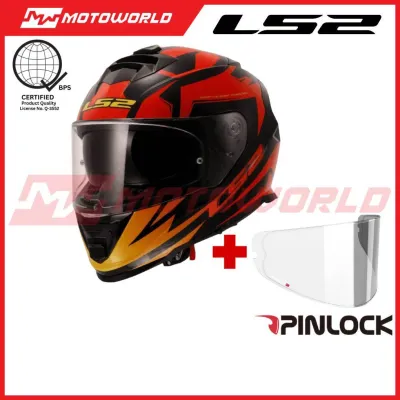
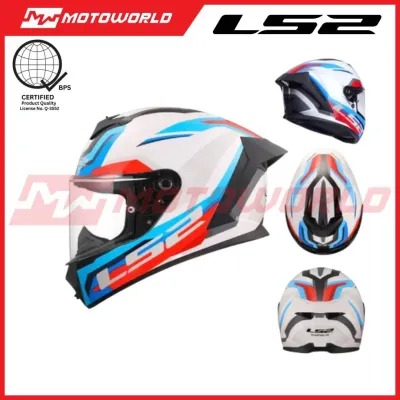
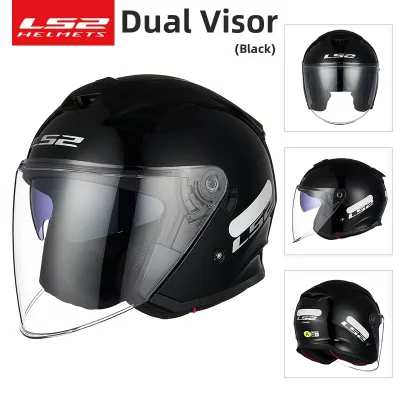
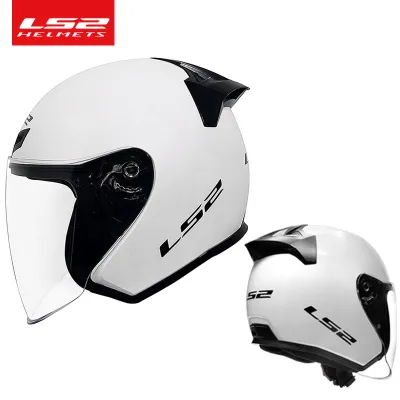
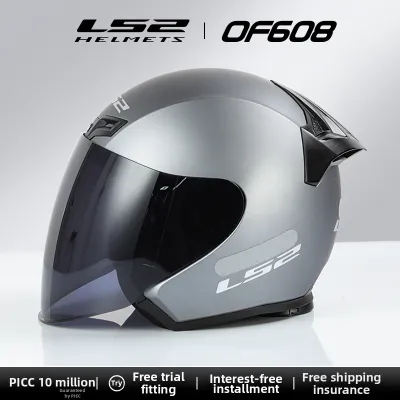
Prices are valid at publication and may change. Please refer to the product page for the latest price.
Sudden tropical downpours are another common occurrence that riders must prepare for. A helmet with a poor visor seal can allow water to seep into the interior, compromising visibility and comfort. Therefore, evaluating the weather resistance and sealing mechanisms of a helmet is just as important as assessing its impact protection when planning your purchase.
The choice between a full-face and an open-face helmet is the first major decision point. Full-face helmets provide the highest level of physical protection because they cover the entire head, including the chin and jaw, which are highly vulnerable during a collision. Open-face models offer superior airflow and a wider field of view, making them comfortable for low-speed city riding, but they leave the lower face exposed to road debris, dust, and direct impact. Understanding these trade-offs helps you decide which style is appropriate for your daily routes.
Safety certifications must remain a non-negotiable priority regardless of your budget. In the Philippines, any helmet used on public roads must carry the Import Commodity Clearance (ICC) sticker or the Philippine Standard (PS) mark, which indicates compliance with national safety regulations. Additionally, look for reputable international standards such as the Economic Commission for Europe (ECE) 22.05 or 22.06 certification. These marks are typically found on a physical label sewn into the chin strap or as a decal on the rear of the helmet shell.
Navigating LS2 Helmet Tiers Without Fixed Price Tags
LS2 categorizes its product lineup into distinct tiers based on materials, manufacturing technology, and integrated features. At the entry-level tier, helmets are typically constructed using High-Pressure Thermoplastic Technology (HPTT). These models provide reliable impact protection and meet basic safety standards, but they are generally heavier and feature simpler ventilation systems. The interior liners are functional but may lack the advanced moisture-wicking properties found in higher-tier models, making them more suited for shorter commutes.

Moving up to the mid-range tier introduces materials like Kinetic Polymer Alloy (KPA), a proprietary blend of polycarbonate and thermoplastic materials that reduces overall weight while maintaining high penetration resistance. Mid-range helmets often feature upgraded ventilation ports, integrated drop-down sun visors to combat the intense Philippine sun, and quick-release visor mechanisms that allow for easy cleaning or replacement. The interior padding in this tier is usually more plush, hypoallergenic, and fully removable for washing, which is essential for maintaining hygiene in hot weather.
The premium tier represents the pinnacle of LS2’s engineering, utilizing advanced composite fiberglass or carbon fiber shells. These materials offer exceptional strength-to-weight ratios, significantly reducing rider fatigue during long journeys. Premium models are designed with advanced aerodynamics to minimize wind noise, and they frequently come equipped with Pinlock-ready visors, emergency release cheek pads for safer helmet removal by medical personnel, and highly sophisticated multi-density EPS liners.
To verify these features before making a purchase, always consult the official product specifications provided by the manufacturer. If you are shopping in a physical store, inspect the helmet’s weight, test the smoothness of the visor mechanism, and check the interior labeling to confirm the shell material and integrated safety systems.
Essential Specifications to Verify Before Checkout
A helmet can only provide its intended level of protection if it fits your head correctly. To find your correct size, use a flexible measuring tape to measure the circumference of your head at its widest point, which is usually about 2.5 centimeters above your eyebrows. Compare this measurement directly with the official LS2 size chart, as sizing can vary between different manufacturers and even between different models within the same brand. A properly fitting helmet should feel snug against your cheeks and forehead without causing painful pressure points.
When trying on a helmet, perform a basic fitment check to ensure it is secure. Fasten the chin strap snugly and try to move the helmet from side to side and up and down; your skin should move with the helmet, and there should be no gaps around your forehead. Additionally, try to gently roll the helmet off your head from the back; if it slips off or shifts significantly, the size is too large.
In addition to fitment, you must physically verify the safety credentials of the specific helmet you intend to buy. Check that the ECE certification and the local ICC hologram sticker are present and undamaged. Genuine stickers are difficult to peel off and feature distinct holographic patterns that reflect light. Avoid purchasing any helmet where these labels appear altered, smudged, or entirely missing, as this can indicate a counterfeit product or a helmet that has not undergone proper safety testing.
Finally, examine the visor and the availability of replacement parts. Ensure the visor offers clear, distortion-free vision and features an anti-scratch coating. Because the humid climate in the Philippines can lead to visor fogging during sudden afternoon downpours, check if the model supports anti-fog inserts. Additionally, confirm that local motorcycle accessory shops stock replacement visors, base plates, and inner liners for your chosen model, ensuring you can easily maintain your helmet over its lifespan.
Avoiding Common Pitfalls When Buying Online
Purchasing riding gear online offers convenience, but it also exposes buyers to the risk of counterfeit products. To ensure you are buying a genuine LS2 helmet, limit your purchases to authorized physical dealers or official flagship stores on established online marketplaces. Be highly skeptical of listings that feature prices significantly lower than the average market rate, as these are often counterfeit replicas that lack real impact protection. Authorized sellers will readily provide proof of authenticity and clear product documentation upon request.
Another common pitfall is ordering the wrong size due to a lack of research. Before finalizing your online purchase, carefully review the seller’s return and exchange policies. Ensure they accept returns for sizing adjustments and check who covers the return shipping costs. When your package arrives, document the unboxing process with a continuous, unedited video; this serves as crucial evidence if you need to request a return due to a shipping error or a manufacturing defect.
Lastly, always calculate the total cost of the purchase, including shipping fees and handling charges. Helmets require large packaging boxes, which can result in high shipping rates, especially if you live outside major metropolitan areas. Factor these additional expenses, along with the cost of any necessary accessories like a tinted visor or an anti-fog lens, into your total budget to avoid unexpected costs at checkout.
Frequently Asked Questions (FAQ)
Are open-face LS2 helmets safer than full-face models for city riding?
No, open-face helmets do not offer the same level of safety as full-face models, even during low-speed city riding. Accident data indicates that a substantial portion of helmet impacts occur in the chin and jaw area, which open-face designs leave completely exposed to the road. While open-face models provide better ventilation and are convenient for short urban trips, they do not protect against facial injuries or flying road debris. For comprehensive protection, a full-face or modular helmet is highly recommended.
How do I know if an LS2 helmet is authentic when buying online?
To verify the authenticity of an LS2 helmet online, start by purchasing only from official brand stores or authorized distributors on ecommerce platforms. When the helmet arrives, inspect the build quality closely; genuine LS2 helmets have clean paint finishes, precise stitching on the inner liners, and sturdy metal rivets. Additionally, check for the physical ICC hologram sticker and the ECE certification label on the back of the shell. Genuine stickers will have clear, sharp printing and a reflective holographic layer that is difficult to replicate.

Community discussion
Share your experience or ask a question. Comments are reviewed before publication.