
Finding the correct oil filter for your Kawasaki Barako 175 is essential to keeping this legendary utility motorcycle running smoothly across Philippine roads. Whether you use your motorcycle for daily commuting, heavy-duty tricycle operations, or provincial deliveries, the engine relies on clean oil to withstand high operating temperatures and dusty environments. Because the Barako 175 has evolved through multiple generations, there is no single universal filter that fits every model year. To avoid engine damage, you must identify your specific engine variant and verify the filter specifications before purchasing a replacement.
Identify Your Barako 175 Engine and Filter Type
To determine which oil filter fits your motorcycle, start by locating the engine code and model year. This information is typically stamped on the engine crankcase or printed on the chassis identification plate near the steering head. Knowing the exact model year is crucial because manufacturers sometimes update engine components, including the oil filtration system, during mid-generation refreshes.
The Barako 175 series has utilized different oil filtration designs over its production run. Some model years require a cartridge-style filter, which is an internal paper or metal mesh element that sits inside a dedicated engine cavity secured by a removable cover. Other variants may use a spin-on canister filter, which is a self-contained metal unit that threads directly onto the exterior of the engine block.
Products mentioned in this guide
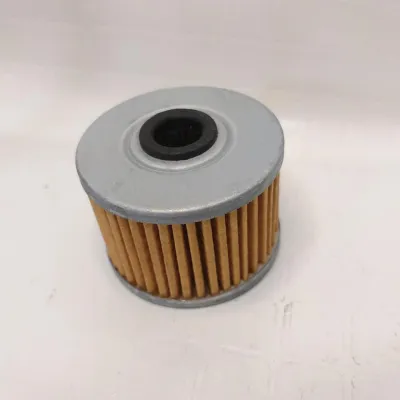
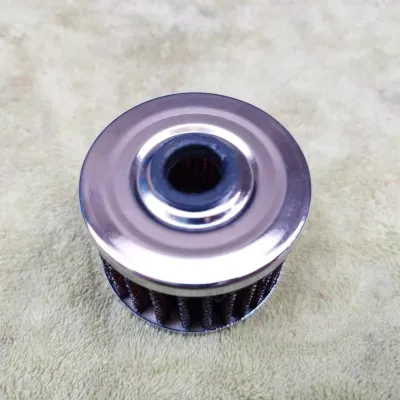
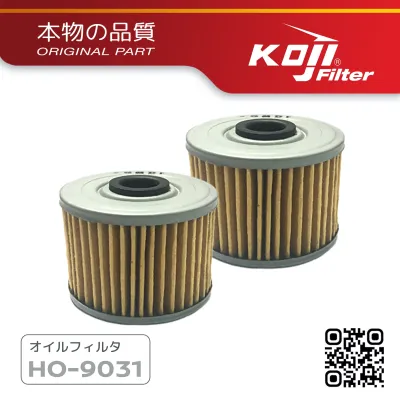
![KAWASAKI Genuine Parts Oil Filter for Barako [ 52010-1053 ]](https://img.lazcdn.com/g/p/71654fab08a321efd6bd3b33bd79e962.png_400x400q80.png_.webp)
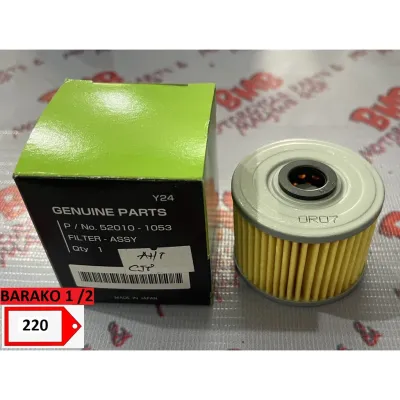
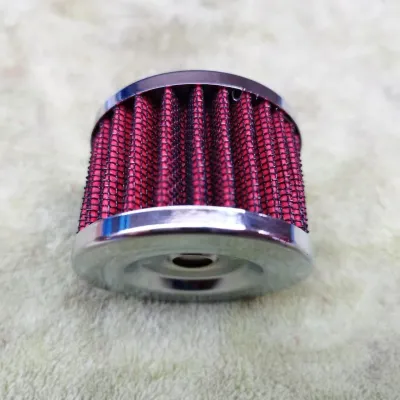
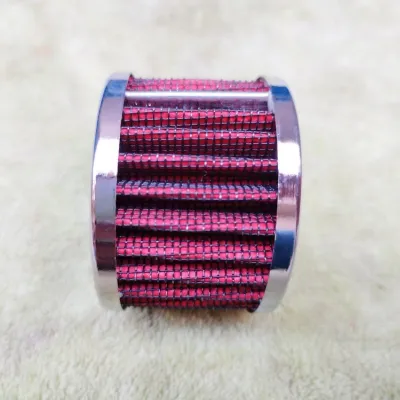
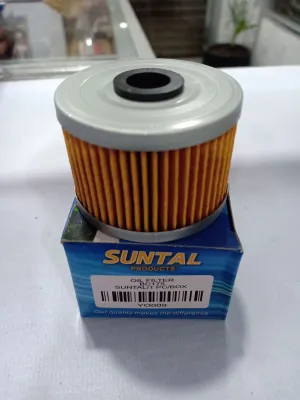
Prices are valid at publication and may change. Please refer to the product page for the latest price.
If you do not have access to the owner’s manual, a quick visual inspection of the engine will reveal the filter type. Look at the right side of the crankcase for either a circular cover secured by small bolts (indicating an internal cartridge filter) or a protruding cylindrical metal canister (indicating a spin-on filter). Take a clear photograph of this housing and any visible part numbers before heading to your local parts dealer.
How to Verify Oil Filter Specifications
When cross-referencing aftermarket filters, physical dimensions must be measured with high precision. For spin-on filters, you need to verify the thread pitch and diameter of the mounting stud. Attempting to force a filter with an incorrect thread pitch will strip the threads on your engine block, leading to costly repairs.

The gasket seating diameter is another critical specification that determines whether the filter will leak under pressure. The rubber O-ring or gasket on the filter must align perfectly with the mating surface on the engine block. If the gasket is too wide or too narrow, engine oil will bypass the seal, resulting in rapid oil loss and potential engine failure.
Physical clearance around the filter housing must also be evaluated. A replacement filter that is too tall or too wide may contact the motorcycle frame, exhaust pipe, or engine guards. This contact can cause vibrations that wear down the filter casing or block necessary airflow around the engine.
Beyond physical dimensions, you must verify the bypass valve pressure setting. The bypass valve allows oil to bypass the filtration media if the filter becomes clogged or when the oil is highly viscous during cold starts. If the bypass valve pressure is set too high, the engine may suffer from oil starvation; if it is too low, unfiltered oil will circulate continuously through your engine.
Evaluating OEM and Aftermarket Options
Choosing between original equipment manufacturer (OEM) parts and aftermarket alternatives requires a careful balance of cost and reliability. OEM filters are designed specifically for the Barako 175 and guarantee compatibility with your engine’s flow rate and pressure requirements. When purchasing an OEM filter, verify the part number printed on the packaging against the official parts catalog.
If you opt for an aftermarket filter, stick to reputable brands that publish verified cross-reference charts. High-quality aftermarket manufacturers design their filters to meet or exceed OEM specifications, offering a reliable alternative for budget-conscious riders. Avoid generic, unbranded filters that do not list specific compatibility details, as these often use inferior filtration media.
Counterfeit filters are a significant risk when shopping on online marketplaces or at unauthorized roadside shops. Look out for red flags such as blurry printing on the packaging, missing or poorly aligned rubber gaskets, and unusually low prices. A genuine filter will have clean, crisp branding, a high-quality rubber seal, and solid internal construction.
When buying parts online, always check the seller’s ratings, customer reviews, and return policies. Look for listings that feature real photos of the product packaging and positive feedback from other Barako 175 owners. While high-quality filters may cost slightly more in Philippine Pesos (₱), they prevent catastrophic engine failures.
Signs Your Current Oil Filter Needs Replacement
Recognizing when your oil filter is failing or clogged can save your engine from catastrophic damage. One of the first indicators of restricted oil flow is an illuminated oil pressure warning light or an unusual ticking noise coming from the cylinder head. This ticking is often caused by a lack of lubrication in the valve train.
Another sign of a degraded filter is oil that turns dark or gritty very quickly after a fresh oil change. While engine oil naturally darkens over time due to heat, a functioning filter should trap larger carbon particles and debris. If the oil becomes heavily contaminated within a few days of riding, the filter media may be saturated or torn.
Regularly inspect the exterior of your oil filter housing for signs of physical damage or leaks. For spin-on filters, check for rust, dents, or bulging in the metal canister. For cartridge filters, look for oil weeping around the edges of the filter cover, which often points to a worn-out rubber O-ring.
In the tropical climate of the Philippines, engines run hot, and a clogged oil filter can contribute directly to engine overheating. When oil flow is restricted, the oil cannot effectively transfer heat away from critical internal components. If your Barako 175 feels unusually hot during traffic jams or long uphill climbs, a clogged filter may be restricting the cooling flow of lubrication.
Installation and Post-Change Safety Checks
Before performing any maintenance on your motorcycle’s lubrication system, ensure you have a safe working environment and the correct tools. Working on engine components carries inherent risks of burns from hot oil or skin irritation. If you are uncomfortable performing this maintenance, seek assistance from a qualified motorcycle mechanic at a professional service center.
When installing a new filter, apply a thin layer of clean engine oil to the rubber gasket or O-ring before putting it in place. This lubrication prevents the rubber from binding or tearing as you tighten the filter, ensuring a uniform seal.
Always follow the manufacturer’s torque specifications when tightening the filter or the filter cover bolts. Over-tightening can strip the threads on the engine block or crush the rubber gasket, leading to severe oil leaks. If you do not have a torque wrench, follow the hand-tightening guidelines provided on the filter packaging.
Once the new filter is installed and the engine oil is refilled, perform a post-change safety check. Start the engine and let it idle for a few minutes while keeping a close eye on the filter base and drain plug. Look for any signs of weeping or dripping oil; if a leak is detected, shut off the engine immediately.
Finally, practice responsible environmental stewardship by properly disposing of your used oil and old filter. Collect the drained oil in a sealed container and take it to a local recycling center or an authorized automotive service shop for proper disposal.
Frequently Asked Questions (FAQ)
Can I use an automotive oil filter on my Barako 175?
It is highly discouraged to use an automotive oil filter on your motorcycle unless the manufacturer explicitly lists it as a compatible cross-reference. Car engines operate at different RPM ranges, oil volumes, and oil pressures compared to motorcycle engines. An automotive filter may have a different bypass valve setting or flow rate, which can restrict oil delivery to your motorcycle’s high-revving engine and cause severe internal wear.
How often should the oil filter be changed on a Barako 175?
As a general rule, you should replace the oil filter with every oil change to ensure your fresh oil remains clean. While some general maintenance schedules suggest changing the filter every second oil change, the demanding riding conditions in the Philippines—such as heavy stop-and-go traffic, high humidity, and dusty roads—make more frequent changes advisable. Always consult your owner’s manual for the recommended service intervals tailored to your specific model.
What happens if I install a filter with the wrong thread size?
Attempting to install a filter with the wrong thread size can cause immediate and severe mechanical damage. Forcing an incorrect thread will strip the threads on the engine’s mounting stud, requiring expensive machining or crankcase replacement to repair. Furthermore, a mismatched thread will prevent the filter from sealing properly, leading to a catastrophic oil leak that can drain your engine in seconds and cause immediate engine seizure while riding.

Community discussion
Share your experience or ask a question. Comments are reviewed before publication.