
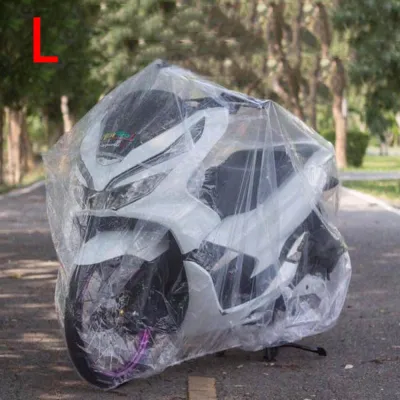
When searching for a plastic cover for your motorcycle, the first step is defining exactly what you are trying to protect, shield, or repair. The term can refer to three completely different components: a flexible full-vehicle cover that shields your entire bike from the elements, a targeted seat cover designed to keep your saddle dry and intact, or rigid plastic body panels and fairings that form the structural exterior of your motorcycle. Choosing the wrong category leads to wasted money, poor fitment, and unmet expectations.
Understanding your specific riding habits, storage conditions, and the current physical state of your bike will point you directly to the correct product. Whether you are dealing with the harsh tropical sun, sudden monsoon downpours, or physical damage from a minor spill, there is a specific plastic solution designed for your situation. By identifying your primary goal first, you can narrow down your options and make an informed purchase that keeps your motorcycle protected and roadworthy.
Identifying Your Core Protection Need
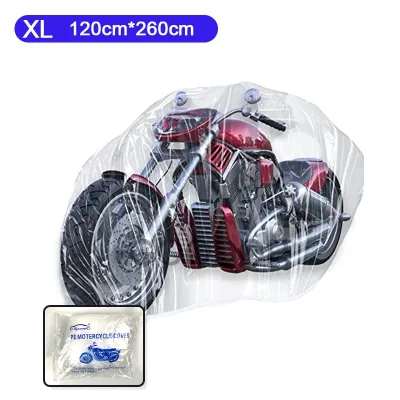
Before browsing online marketplaces or visiting a local accessory shop, you must distinguish between soft protective covers and hard structural panels. Soft covers, typically made of flexible plastics like PEVA, PVC, or specialized fabrics, are temporary shields that you drape over the bike when it is parked. Rigid body panels and fairings, on the other hand, are permanent molded plastic components bolted directly to the motorcycle’s frame to protect internal parts and provide aerodynamics.
Products mentioned in this guide
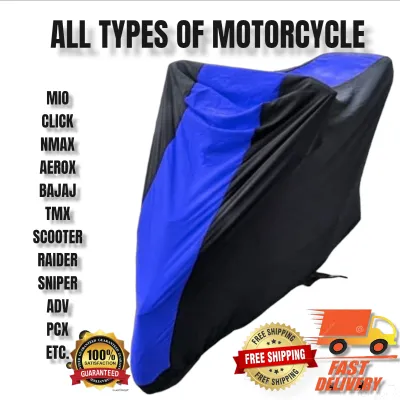
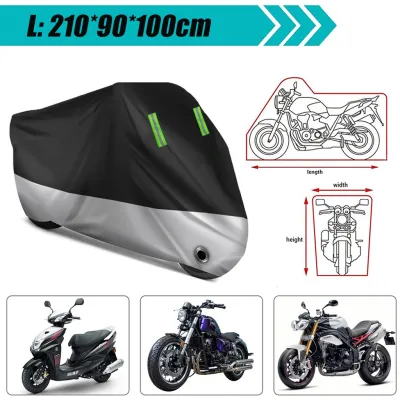
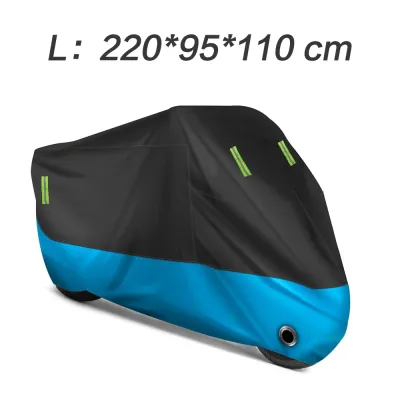
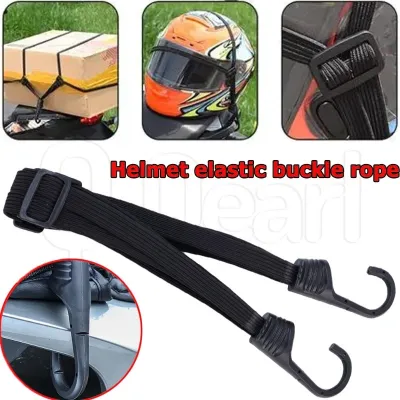
Prices are valid at publication and may change. Please refer to the product page for the latest price.
Your choice depends heavily on the primary environmental and physical threats your motorcycle faces daily. In tropical climates, the intense sun delivers high UV exposure that rapidly degrades paint, makes plastic parts brittle, and cracks seat vinyl. Heavy seasonal rains and high humidity introduce moisture that can seep into electrical connections and accelerate rust on exposed metal parts. Additionally, parking in crowded public spaces exposes your bike to physical impacts, scratches, and abrasive dust.
Establishing the baseline condition of your motorcycle helps determine if your goal is preventive shielding or structural repair. If your motorcycle’s bodywork is intact but you park outdoors, your focus should be on preventive shielding using a full cover or a seat cover. If your bike has suffered impact damage, has deep cracks in the exterior shell, or has broken mounting tabs that cause panels to rattle, you require structural restoration through replacement body panels.
Full Motorcycle Covers for Complete Shielding
A full motorcycle cover is the ultimate preventive shield for riders who must park their vehicles outdoors for extended periods. If you do not have access to a covered garage or carport, your bike is constantly exposed to the elements. A full cover is also essential for long-term storage during the rainy season, or if you park near construction sites, busy roads, or under trees where dust, industrial soot, tree sap, and bird droppings can ruin your paint.

When evaluating full covers, always check the product specifications and labels for material thickness and protective ratings. Look for durable materials such as heavy-duty polyester with a waterproof polyurethane coating, or thick PEVA (Polyethylene Vinyl Acetate) which offers excellent water resistance. UV-resistant coatings are critical to prevent the cover itself from becoming brittle and tearing under intense sunlight. Additionally, ensure the cover features built-in ventilation flaps; in highly humid environments, a completely sealed plastic cover traps rising ground moisture, creating a greenhouse effect that accelerates rust on your chain, brake discs, and fasteners.
Proper fitment is what keeps a full cover functional during adverse weather. A loose, poorly fitted cover acts like a sail during high winds, which can easily tip your motorcycle over and cause severe structural damage. Look for covers equipped with strong elasticized bottom hems that snuggly grip the tires, adjustable under-belly tie-down straps with heavy-duty buckles, and reinforced grommets near the wheels for threading security locks. Built-in mirror pockets are also highly beneficial, as they allow the cover to drape naturally over the handlebars without putting excess tension on the fabric.
Seat Covers for Targeted Moisture and Wear Defense
If you park in a covered garage at home but commute daily, deploying a full-size cover every time you park at work or run an errand can be highly inconvenient. In these scenarios, a targeted seat cover offers a practical compromise. It provides immediate protection for the most vulnerable contact point on your motorcycle without the bulk and hassle of a full-body wrap.
Daily exposure to sun and rain quickly ruins factory seat upholstery. A seat cover is highly effective for quick rain protection during sudden afternoon downpours, keeping your saddle dry so you do not have to ride home on a wet seat. It is also an excellent, budget-friendly solution for covering up existing tears or cracks in your factory vinyl. This prevents rainwater from soaking deep into the underlying seat foam, which acts like a sponge and can remain damp for days, eventually causing mold and unpleasant odors.
When choosing a seat cover, prioritize material performance and construction quality. Look for waterproof vinyl or heavy-duty rubberized materials with heat-sealed or taped seams, as standard stitched seams can allow water to seep through over time. The surface texture is equally important; choose a cover with an anti-slip pattern or a specialized 3D spacer mesh. Mesh covers are particularly popular in hot climates because they create an insulating layer of air between your body and the seat, preventing the saddle from becoming scalding hot under the sun.
Installation methods vary depending on how permanently you want to secure the cover. Slip-on universal designs feature elastic bands or drawstrings that allow you to install or remove the cover in seconds, making them ideal for temporary use. For a seamless, permanent restoration of a damaged seat, you will need a custom-fitted vinyl cover. This requires removing the seat assembly from the bike, stretching the new material tightly over the old foam, and securing it to the plastic seat pan using a heavy-duty upholstery staple gun.
Body Panels and Fairings for Structural Restoration
Unlike flexible soft covers, rigid body panels and fairings are permanent, structural components of your motorcycle. These parts are typically manufactured from ABS (Acrylonitrile Butadiene Styrene) or PP (Polypropylene) plastic. You must transition from temporary covers to replacement body panels when your existing fairings suffer from deep cracks, severe color fading that cannot be polished out, or broken mounting tabs.
Broken mounting tabs are a common issue that many riders overlook. When the plastic tabs that hold panels together snap due to road vibrations or minor drops, the panels begin to rattle, gap, and misalign. This not only looks unsightly but also allows rainwater and road grime to bypass the exterior shell and directly spray your engine, wiring harnesses, and sensitive electrical sensors. Replacing these damaged panels is crucial to maintaining the structural integrity of your motorcycle.
When sourcing replacement panels, you must decide between Original Equipment Manufacturer (OEM) parts and aftermarket kits. OEM panels guarantee a perfect fit, matching paint codes, and original plastic thickness, but they are generally more expensive. Aftermarket panels are highly accessible and offer custom color schemes, but they require careful verification. You must ensure that the aftermarket manufacturer uses high-quality injection-molded ABS plastic rather than cheaper compression-molded plastics, which often suffer from misaligned mounting holes and brittle structures.
Beyond aesthetics, these rigid panels serve vital functional purposes. Fairings are aerodynamically designed to deflect wind away from the rider, reducing fatigue and improving fuel efficiency at highway speeds. They also act as a physical shield, channeling cooling air toward the engine while keeping road debris, mud, and water away from hot mechanical parts and electrical connections during heavy downpours.
Decision Matrix: Matching the Cover to Your Routine
To help you finalize your choice, consider how your daily routine, parking environment, and the current state of your motorcycle align with each cover type. The table below outlines the primary use cases, advantages, and limitations of each option.
| Parking Environment & Condition | Primary Concern | Recommended Cover Type | Key Limitation |
|---|---|---|---|
| Uncovered outdoor driveway or street | Heavy rain, intense UV, dust, theft | Full Motorcycle Cover | Bulky to carry; cannot be applied to a hot exhaust |
| Covered carport, garage, or short stops | Hot seat, sudden rain, minor wear | Seat Cover (Mesh or Vinyl) | Leaves paint, metal parts, and engine exposed |
| Daily commuter parking in public spaces | Sun damage, seat wear, minor scratches | Seat Cover + Compact Full Cover | Requires storage space (under-seat or top box) |
| Cracked, faded, or rattling exterior | Water intrusion, poor aerodynamics | Rigid Body Panels / Fairings | Requires mechanical installation; higher cost |
Every option involves clear trade-offs. A full cover provides maximum, comprehensive protection for your entire investment, but folding and storing a wet, dirty cover during a quick commute can be incredibly frustrating. Conversely, a seat cover is highly portable and keeps your riding gear dry, but it leaves your expensive paintwork, headlights, and metal components completely vulnerable to sun damage and corrosion.
For many riders, the most effective strategy is combining these solutions. You can install a breathable mesh seat cover for your daily commute to keep the saddle cool and comfortable during daytime parking. Then, when you return home or park the bike for the weekend, you can drape a heavy-duty full cover over the entire motorcycle to protect it from overnight rain, dust, and moisture. This dual-layer approach ensures maximum longevity for both your seat and your bodywork.
Pre-Purchase Verification and Fitment Checks
To avoid the hassle of returning incorrect items, always perform thorough fitment checks before finalizing your purchase. For rigid body panels, never rely solely on generic model names. A motorcycle model can have subtle design changes, different mounting tab locations, or altered screw holes from one model year to the next. Always verify the exact manufacturing year, engine displacement, and sub-model variant of your bike, and cross-reference them with the seller’s compatibility list.
For soft, universal covers, do not rely on generic sizing labels like “Medium” or “Large” without checking the actual physical dimensions. Use a tape measure to record your motorcycle’s total length from the front edge of the front tire to the rear fender, the maximum width at the handlebars, and the height from the ground to the top of the mirrors or windshield. If you have installed aftermarket accessories such as a rear utility box, side panniers, crash guards, or a tall touring windshield, you must factor these into your measurements and typically size up to ensure complete coverage.
When ordering from online marketplaces, take the time to read customer reviews, paying close attention to photos uploaded by other buyers who own the same motorcycle model. Verify what is included in the package; replacement body panels often do not include the necessary mounting bolts, rubber grommets, or clips, meaning you will need to reuse your old hardware or purchase a separate fairing bolt kit. Finally, check the seller’s return policy to ensure you can exchange the product if you encounter unexpected fitment issues during installation.
Frequently Asked Questions (FAQ)
Can I use a full cover on a hot exhaust?
No, you should never place a standard plastic or polyester cover directly onto a hot exhaust pipe or engine block. The extreme heat will instantly melt the cover’s material, fusing it to your exhaust pipe, ruining the cover, and leaving a difficult-to-clean plastic residue on your metal components. Always allow your motorcycle’s engine and exhaust system to cool down completely before covering it, or specifically look for premium covers that feature heat-resistant inner linings on the lower panels.
Do universal seat covers fit all motorcycle types?
Universal seat covers do not fit every motorcycle model because seat geometries vary drastically between different bike styles. A slip-on cover designed for a slim underbone or a compact scooter will not stretch sufficiently to fit the wide, contoured saddle of a cruiser, a large adventure touring bike, or a sportbike with a split-seat configuration. Always measure the maximum length and width of your seat and compare those figures to the stretch dimensions provided by the manufacturer before purchasing.
How do I know if a body panel is compatible with my bike?
To guarantee compatibility, the most reliable method is to locate the Original Equipment Manufacturer (OEM) part number stamped on the inside of your original damaged panel and match it with the replacement part. Do not rely on visual similarity alone, as manufacturers frequently update mounting tab positions, screw hole alignments, and internal clips between different model years, even if the outer shape of the panel looks identical from the outside.

Community discussion
Share your experience or ask a question. Comments are reviewed before publication.